Is Your Yard at Risk? The Truth About Wild Rabbits
Discovering rabbits foraging in your yard can be both charming and concerning. As delightful as they may seem, wild rabbits can indeed cause some challenges. Let's explore if wild rabbits are truly a menace to your yard and how you can coexist with these fluffy creatures in harmony.
Prior to diving in, it's essential to understand that rabbits have a significant role in the ecosystem. They're a crucial food source for various animals, their droppings enrich soil, and they help control plant populations. However, their voracious appetite and reproductive rate can sometimes lead to an overrun yard, making it necessary to address their presence.
Potential Damage Caused by Wild Rabbits
Rabbits are herbivorous mammals, deriving food from plants. This diet, while eco-friendly, can lead to damage in your yard. They prefer soft, young foliage and are particularly fond of fruit trees, vegetables, and ornamental plants.


Furthermore, rabbits are active burrowers, often creating intricate tunnel systems under your lawn or in shrubberies. These burrows can cause your yard to become uneven and may pose a tripping hazard. They may also nibble on tree bark, potentially harming or killing young trees.
Signs of Rabbit Activity
A telltale sign of rabbits in your yard is their droppings. Rabbit droppings are often марш brown, rounded, and about the size of a grapel. Fresh droppings are shiny and soft, while older ones are dry and dull. Additionally, you might notice gnawed-on plants, chewed-up roots, or signs of digging activity.


Rabbits are generally crepuscular, most active during dusk and dawn, but they may also be active throughout the night. Therefore, spotting them in your yard can be challenging. Instead, observe their traces, which usually lead you back to their nest or burrow.
Rabbits and Garden Pests
Rabbits can introduce garden pests and diseases into your yard. They may inadvertently bring in parasites or carry and transmit harmful diseases like tularemia or rabbit fever. While the risk is low for humans, it's still crucial to handle rabbit droppings with care and maintain good hygiene to avoid potential exposure.
Moreover, rabbits can serve as hosts for fleas and ticks, which may then infest your pets or enter your home. Regular pest control measures can help mitigate this risk, but preventing rabbits from overstaying in your yard is the best solution.


Controlling Rabbit Activity in Your Yard
Before you consider removal, remember that rabbits are a natural part of the environment. Instead, aim to deter them from your plantings and maintain a harmonious coexistence.
Here are several strategies to help protect your yard from rabbit damage:
Plant Selection
Rabbits tend to avoid plants with strong scents, thorns, or unwanted textures. Incorporating such plants can deter rabbits. Examples include lavender, mint, chives, cactus, and certain ornamental grasses. Furthermore, consider planting rabbit-resistant species like gazania, yarrow, and fairy ferns.


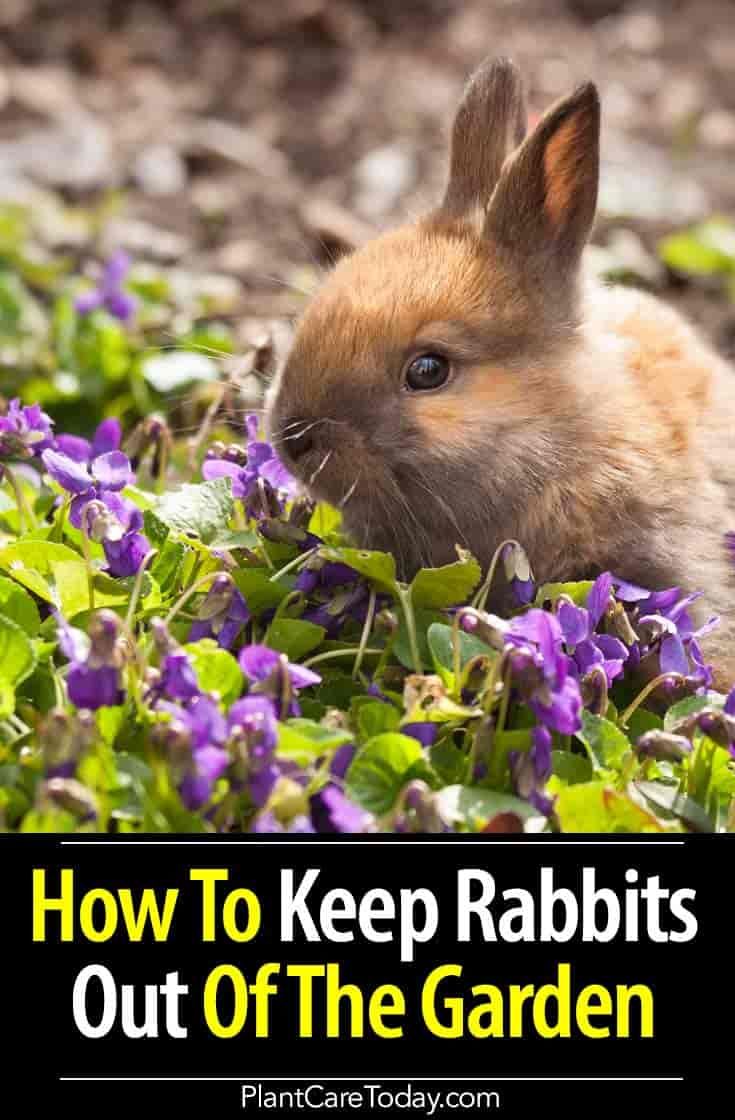


For vegetable gardens, surround your plants with a physical barrier such as chicken wire or hardened PVC piping. This barrier should extend both above and below the ground to prevent rabbits from gnawing or digging around it.
Natural Repellents
Homeowners can use commercial or homemade rabbit repellents. Commercial repellents often contain putrescent eggs, garlic, or hot peppers, which can deter rabbits. However, remember that effective repellents usually need to be reapplied after rain or watering.
Homemade repellents could include cayenne pepper, garlic, and members of the Allium family mixed with water. Remember to regularly reapply these solutions, as their potency may dwindle over time. Additionally, you can use predator scent sprays, such as those from foxes or coyotes, as rabbits generally avoid areas frequented by these predators.
Habitat Modification
Rabbits prefer dense, shrubby cover for shelter, nesting, and raising their young. Reducing such habitat in your yard can discourage rabbits from staying. Trim shrubs, mow your lawn regularly, and remove any brush piles or similar nesting sites.
Moreover, ensure your fence is tall enough to deter rabbits from entering. They're adept climbers, so a simple horizontal or diagonal wire at the top can prevent them from climbing over.
In conclusion, while wild rabbits can pose challenges to your yard, they also play a vital role in the ecosystem. By understanding their habits and behaviors, you can employ various strategies to protect your plants while coexisting peacefully with these charming creatures.
Related Articles

Is Your Deck at Risk? The Surprising Truth About Outdoor Rugs
Have you ever pondered the impact of an outdoor rug on your deck's lifespan and overall look? It's a dilemma that confuses many homeowners - are outdoor rugs...

Eliminate Dog Pee Spots from Your Yard: Expert Tips
Is your yard looking more like a minefield than a lush, green paradise? Those pungent yellow patches are a clear sign that dog pee spots have taken over. But...

Does Sunlight Boost Hair Growth: The Truth About Outdoor Exposure
Step into the sun, and you might just find your hair's growth spurred on. But does being outside truly make your hair grow faster? Let's dive into the science...

The Truth About Video Games & Eye Health: Are They Bad for Your Eyes?
Have you ever found yourself immersed in a video game, only to notice your eyes feeling dry and irritated hours later? You're not alone. Many gamers wonder...

Rabbits: Benefits or Dangers to Your Yard?
If you're pondering whether rabbits are sage stewards of your yard, you're not alone. These petite, fluffy creatures might seem like an adorable addition, but...
"Rabbits Invading Your Yard? The Impact on Your Greenspace & How to Control"
Considering the increasing popularity of rabbits as pets, it's natural to wonder, "Are rabbits bad for your yard?" While these creatures are generally...