Average Life Expectancy in Kentucky
Life expectancy varies from state to state in the United States, and Kentucky is no exception. This key health indicator paint a picture of well-being and overall quality of life, influenced by factors such as access to healthcare, lifestyle choices, and environmental conditions. The Bluegrass State's life expectancy average is a complexity of these aspects, which we will delve into in this article.
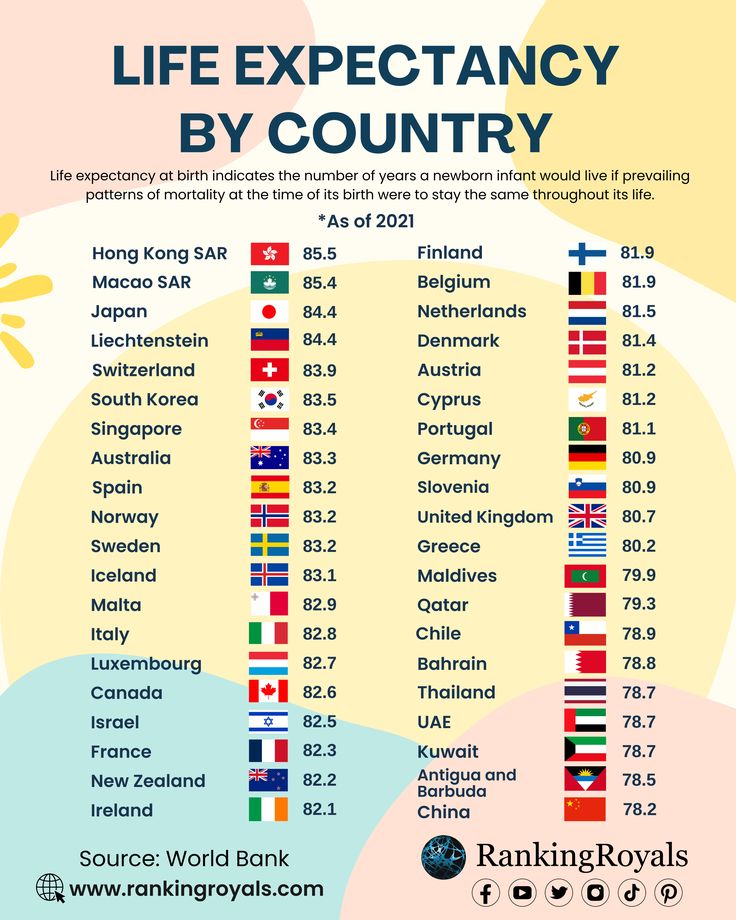
Kentucky, nestled in the South, grapples with unique health challenges that havereur impact its life expectancy. According to data from the Centers for Disease Control and Prevention (CDC), Kentucky's life expectancy stands at 76.1 years, slightly below the national average. Understanding these factors can help shape initiatives to improve health outcomes and boost life expectancy.
Health Disparities in Kentucky
Kentucky faces significant health disparities, with widespread chronic conditions and a high prevalence of preventable causes of death impacting life expectancy.


Heart disease and cancer are the top two leading causes of death in Kentucky, mirroring national trends. However, Kentucky's rates for both conditions are well above the national average, highlighting the urgent need for targeted health interventions.
Heart Disease in Kentucky
Heart disease, often cousined by unhealthy lifestyles such as smoking, poor diet, and physical inactivity, is a pressing concern. Kentucky's heart disease mortality rate is 223.4 per 100,000 people, significantly higher than the U.S. average. The state needs to prioritize primary prevention, focusing on lifestyle modifications and early detection.


Initiatives like the Kentucky Cardiovascular Disease Prevention Program, which works to reduce heart disease risk through evidence-based strategies, are crucial. However, more community engagement and policy change are needed to drive meaningful change.
Cancer in Kentucky
Cancer is another pressing concern in Kentucky. Notably, Kentucky has one of the highest rates of cancer deaths from lung and bronchus cancer, with rates much higher in Appalachian regions. This trend is attributed to Kentucky's association with the tobacco industry and high smoking rates.
Statewide efforts like the Kentucky Cancer Program work to reduce cancer risk and improve access to care. However, comprehensive tobacco control policies and enhanced support for cancer-related research are still required.


Lifestyle Factors and Access to Care
The lifestyle of Kentuckians and access to quality healthcare significantly impact the state's life expectancy.
Kentucky's obesity rate is among the highest in the nation, with nearly 35% of adults considered obese. Physical inactivity and a diet high in unhealthy foods contribute to this public health challenge.
Diet and Physical Activity
A balanced diet and regular physical activity are essential for maintaining good health and preventing chronic diseases. Unfortunately, Kentucky residents struggle with both. The state has one of the highest obesity rates and a high prevalence of sedentary behavior, both of which negatively impact life expectancy.


Initiatives promoting healthy eating and regular physical activity, like the Kentucky Department for Public Health's Farmers Market Nutrition Program, are essential. However, a more comprehensive approach, including policy changes and community engagement, is needed to tackle these lifestyle factors.
Access to Healthcare
Access to quality healthcare is another critical factor influencing Kentucky's life expectancy. While recent expansions of Medicaid have improved insurance coverage, Kentucky still has one of the highest uninsured rates in the nation. Moreover, access to healthcare in rural areas remains a challenge.
Initiatives that improve healthcare access, such as expanding telemedicine services and investing in rural hospitals, can help offset these disparities. However, comprehensive policy reform is crucial to ensure long-term improvements in healthcare access and quality.
Conclusion: Investing in Kentucky's Health
Kentucky's life expectancy is a reflection of the state's complex health landscape, shaped by various social, economic, and environmental factors. Addressing these challenges requires a multi-pronged approach, focusing on lifestyle modification, enhanced access to care, and targeted health interventions. By investing in its residents' health, Kentucky can improve its life expectancy and ensure a brighter, healthier future for all.
Related Articles
Kentucky Men: Average Lifespan Unveiled
In the heart of the United States, the Bluegrass State has long been associated with its rich history, captivating landscapes, and unique cultural traditions...

Indoor vs Outdoor Cats: The Impact on Lifespan (SEO-friendly)
Cats, beloved for their independence and grace, have long been welcomed into our homes. However, a question that often arises among pet parents is: which...

Kentucky Life Expectancy: Study Reveals Trends & Factors
Kentucky, situated in the eastern United States, is well-known for its distinctive cultures, bustling cities, and serene countryside. However, when it comes to...

Average Life Expectancy of Indoor Cats: What You Need to Know
The curiosity about an indoor cat's lifespan isn't merely academic; it helps us understand how to better care for our feline companions. But before delving...
"Men's Life Expectancy Kentucky: How Does The Bluegrass State Rank?"
Men's life expectancy in Kentucky, like many other health metrics, is a critical indicator of the well-being of the state's population. Understanding this data...

Average Indoor Cat Life Expectancy
Indoor cats enjoy privileged lives, free from many threats outdoor cats face, which often intriguingly leads pet owners to wonder: how long can we expect our...