Buzzing in the Bin: How Bees Thrive in Compost
Beehives aren't the only homes for bees; these industrious insects have been known to make compost their residence, a surprising yet fascinating phenomenon. Compost piles offer an environment that is not only beneficial for plants but also attractive to bees. But why do bees live in compost, and how does this behavior impact both the bees and the composting process?
Understanding the unique ecosystem of a compost pile is crucial to comprehending why bees might choose it as a habitat. Composting is essentially an aerobic process that involves the decomposition of organic materials in the presence of oxygen. This process generates heat, which can create a warm and inviting environment for bees, especially during the colder months.
Bees and Compost Temperature
Compost piles can reach temperatures between 130-160°F (54-71°C) due to the heat generated during decomposition. This high temperature is suitable for bee species like the mason bee (Osmia spp.) and the alkali bee (Nomia melanderi), which are solitary bees that create nests in tunnels or small cavities. These bees lay their eggs in the spring, and the developing larvae feed on pollen and nectar until they pupate and become adult bees. The heat from the compost pile can help accelerate this developmental process.

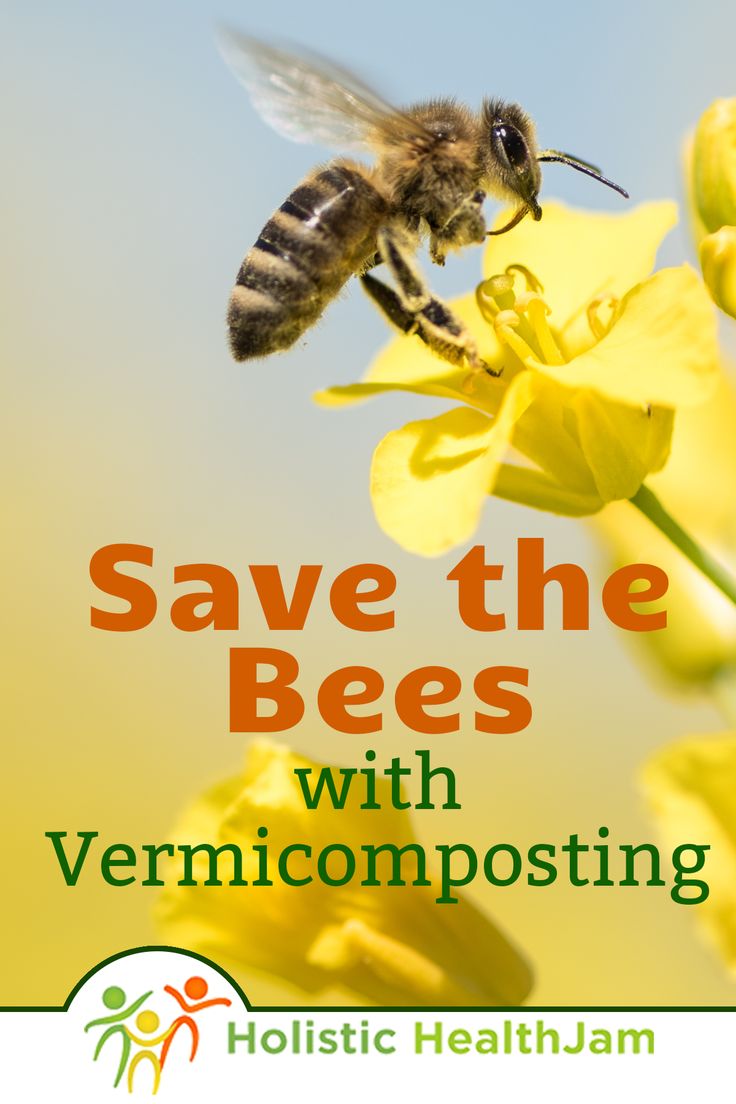

However, it's essential to note that not all bee species can tolerate such high temperatures. Bumblebees (Bombus spp.), for instance, prefer cooler environments and would likely avoid densely packed, heat-generating compost piles. Moreover, honeybees (Apis mellifera) typically live in hives constructed by humans or managed in colonies, rather than in compost piles. Therefore, the type of bee you might find living in compost will depend largely on the specific conditions and location of the compost pile.
Benefits for Bees
For bees that can tolerate the warmth, living in compost piles offers several advantages. Apart from the accelerated developmental process, compost piles provide bees with ready access to a diverse range of nectar and pollen sources. The organic materials in compost piles, such as fruit and vegetable scraps, attract pollinators like bees. Additionally, the relatively undisturbed environment of a compost pile can offer bees protection from predators and harsh weather conditions.


Research has shown that bees can play a role in enhancing the composting process. Bees, along with other insects like earthworms and beetles, contribute to the decomposition of organic materials by aerating the pile and consuming decaying matter. This activity helps to increase the porosity of the compost pile, facilitating proper aeration and accelerated decomposition.
Impact on Composting
The presence of bees in compost piles can also have positive implications for the compost heap's structure and nutrient content. Bees can help maintain a healthy balance of microorganisms by consuming fungi and other pathogens that might limit the effectiveness of the composting process. Furthermore, bees can indirectly contribute to nutrient transformation by depositing fecal material and pollen while foraging in the compost pile.
However, the impact of bees on composting is relatively understudied, and more research is needed to fully understand the intricate relationship between these insects and the composting process. It's also crucial to remember that bees living in compost piles might face unique challenges, such as the risk of being buried by new additions to the pile or competition with other insects for resources.


Encouraging Bee Habitation in Compost
If you're interested in encouraging bees to take up residence in your compost pile, there are a few strategies you can employ. One method is to create a more structured habitat for the bees by adding small cavities or tunnels to the compost pile, which can mimic the natural nesting sites of solitary bees. You can also incorporate various bee-friendly plants into your composting system, such as those that produce nectar and pollen, to provide additional food sources for the bees.
It's also essential to maintain a balanced composting process, ensuring that your pile remains aerobic and well-aerated. This can be achieved by regularly turning the compost and avoiding overpacking the pile. Additionally, incorporating a mix of organic materials, including both nitrogen-rich and carbon-rich substrates, can help maintain optimal conditions for both composting and bee habitation.
Creating Bee-Friendly Compost
To further support bee habitation, you can also consider creating a dedicated "bee compost" pile. This can be achieved by incorporating specific organic materials, such as fruit and vegetable scraps, coffee grounds, and eggshells, which are known to attract bees. You can also add materials that provide additional structure for nesting, such as hollow plant stems or small stones.


Moreover, you can design your composting system to include a "bee hotel" or solitary bee nesting box, which can provide an alternative home for bees that might prefer a more structured living environment. You can create a simple bee hotel using natural materials like bamboo or wood, ensuring that it remains dry and protected from predators and inclement weather.
In conclusion, while compost piles are primarily associated with the decomposition of organic materials, they can also serve as an unexpected habitat for bees. The unique conditions offered by compost piles, such as warmth and access to nectar and pollen sources, make them an attractive residence for certain bee species. By understanding and accommodating these insects, composters can foster a more biodiverse and interconnected ecosystem within their composting systems. As with any relationship, open communication, and mutual respect between humans and bees can help ensure a harmonious coexistence, benefiting both parties in the long run."
Related Articles

Uncovering Life in Compost: What Creatures Thrive in Your Bin
Diving into a compost bin might seem like a journey into an uncharted world, but rest assured, this eco-friendly habitat teems with life, playing a crucial...
Bees in Compost: Thriving in the Bin
Imagine this: your compost bin, a treasure trove of nutrients, isn't just feeding your garden, it might be hosting a thriving bee community. Yes, you read that...
Do Bees Thrive in Compost Heaps?
Do bees live in compost heaps? This is a question that might initially seem peculiar, but it's actually a common misconception. Let's delve into this subject...

Living Earth Compost Reviews: Uncovering the Benefits and Comparisons
Transforming your garden or farm's organic waste into nutrient-rich soil is no longer a chore but a rewarding process with Living Earth Compost Reviews. In...

Can Cats Truly Thrive Indoors
Cats are beloved pets known for their independence and mystique, leading pet owners to question: "Can cats be happy living exclusively indoors?" The answer is...

"What Living Things Can Compost"
When discussing the vast realm of recycling, one process often takes center stage - composting. But what exactly is composting, and which living things form a...