Block Pathway Design Guide: Best Practices and Ideas
In the realm of architecture and engineering, the concept of "block pathway design" has evolved significantly to meet the demands of modern, efficient, and eco-conscious urban planning. This design methodology, often associated with landscape architecture and public realm design, focuses on creating interconnected green spaces that foster healthy, vibrant communities while facilitating seamless navigation through our cities.
Block pathway design transcends traditional urban planning approaches by viewing streets and pedestrian paths as integral components of larger green networks. Instead of isolated routes connecting various points, these pathways form continuous, linear park systems that weave through and around city blocks, transforming our urban landscapes into healthier, more enjoyable environments.
Understanding Block Pathway Design
At its core, block pathway design centers around the idea of creating a comprehensive, interconnected network of green spaces. This network encompasses various types of public realm elements, such as streets, pedestrian paths, parks, and open spaces, weaving them together to create a cohesive, vibrant tapestry across an entire neighborhood or cityscape.

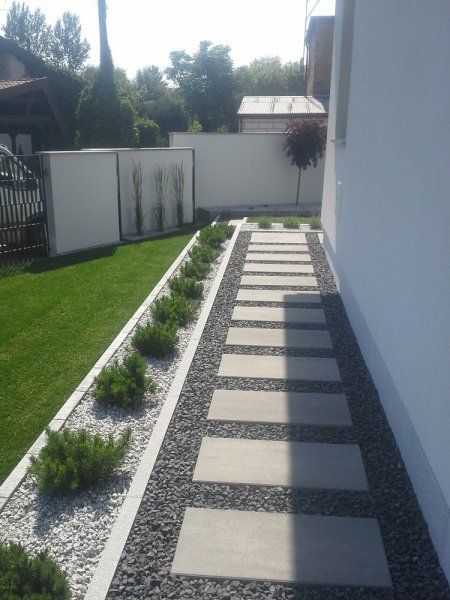

This design approach prioritizes pedestrians and cyclists, fostering walkability and bikeability, while also encouraging social interaction and community engagement. By prioritizing people over vehicles, block pathway designs foster a more humane, sustainable, and resilient urban environment.
Key Features of Block Pathway Design
Continuity and connectivity: Block pathways stretch uninterrupted, traversing entire city blocks and connecting one green space to another. This ensures pedestrians and cyclists can travel long distances without interruption, enhancing年起渲染, accessibility, and trodean Maldonado


Multifunctionality: Block pathways serve multiple purposes, acting as both transportation corridors and public spaces. They accommodate a wide range of uses, from daily commuting and leisurely strolls to community gatherings and events, maximizing the value and impact of urban space.
Benefits of Implementing Block Pathway Design
Environmental sustainability: By integrating green infrastructure into the urban fabric, block pathways help mitigate urban heat island effects, promote biodiversity, and contribute to stormwater management, making them a powerful tool for sustainable city development.
Community engagement: The continuous, pedestrian-friendly nature of block pathways fosters social interaction and a sense of community. By creating inviting, well-connected spaces, these designs encourage residents to spend more time outdoors, engage with their neighbors, and participate in community activities.


Implementing Block Pathway Design: Practical Considerations
Successfully incorporating block pathway design into urban planning requires a holistic, collaborative approach. Here, we explore crucial aspects to consider during the design and implementation process:
**Assessing context and alignments**: Carefully analyze the existing urban fabric, identifying opportunities and constraints that influence pathway alignments. Engage with stakeholders, such as city officials, community members, and businesses, to ensure that designs meet their needs and aspirations.
Designing for accessibility and inclusivity
To create genuinely inclusive pathways, consider the diverse needs of users, including those with mobility challenges, young children, or elderly individuals. Thoughtful design choices, like adequate width, gentle slopes, clear signage, and the incorporation of universal design principles, ensure that everyone can comfortably navigate and enjoy the space.


**Fostering a balance between nature and infrastructure**: While block pathways prioritize green spaces, they must also accommodate essential urban infrastructure, such as utilities, transportation networks, and public services. Effective designs strike a balance, integrating these elements seamlessly into the overall vision while minimizing their visual and ecological impact.
Partnering with nature: Green infrastructure strategies
Leverage the power of nature to enhance the function, aesthetics, and resilience of block pathways. Incorporate green infrastructure elements like street trees, bioswales, and green roofs to manage stormwater, improve air quality, and support local ecosystems.
**Phasing and incremental implementation**: Creating a comprehensive block pathway network may require a phased approach, given resource constraints and the need to mitigate disruptions during construction. By prioritizing key connections and incrementally expanding the network, cities can achieve tangible improvements in walkability and connectivity over time.
Block pathway design offers a promising path toward more livable, sustainable, and equitable urban environments. By prioritizing people, prioritizing walkability, and embracing a holistic, collaborative approach to urban planning, we can create enduring, connected green networks that enrich our lives and strengthen our communities. So, let's forge ahead and transform our cities, one block pathway at a time.
Related Articles

Top AI Picks: Best Outdoor Design Ideas
The evolution of outdoor spaces has taken a revolutionary leap with the integration of Artificial Intelligence (AI). AI-driven design is redefining exterior...

Insignia Examples: Guide to Meaningful Design Ideas
Insignias are marks or badges of authority, office, or achievement, often used to recognize or identify a person, group, or entity. They have a rich history...

GFOA Budgeting Best Practices: Expert Guide
Effective budgeting is a critical aspect of governance that ensures the efficient allocation of communal resources. For Government Finance Officers Association...

Best Budget Block Paving Edging Ideas
Looking to revitalize your outdoor space without breaking the bank? Cheap block paving edging ideas can transform your driveway, patio, or garden, providing a...

Optimal Lumens for Solar Pathway Lights: Best Brightness Guide
When planning to illuminate your garden paths with solar-powered lights, one of the key decisions to make is choosing the right lumens. Lumens represent the...

Best Paint for Exterior Cinder Block Walls: Ultimate Guide
When it comes to painting exterior cinder block walls, selecting the right paint is crucial for both durability and aesthetics. Cinder blocks are porous and...