transform your outdoors: stunning bog garden ideas UK
Imagine transforming a damp, forgotten corner of your UK garden into a lush, vibrant bog garden. This unique and ecologically valuable habitat can be a stunning feature, providing a tranquil retreat for both you and a wide array of wildlife. Let's delve into some inspiring bog garden ideas that are perfectly suited to the UK climate.
Bog gardens aren't just about ticking off a checklist of margins and sedges. They can be beautiful, colourful, and incredibly diverse spaces that add a touch of mystery and wildness to your garden. With careful planning and the right plant choices, you can create a stunning bog garden that's both easy on the eye and a haven for local wildlife.
Understanding Your Bog Garden Soil
Before you start, it's crucial to understand the soil you're working with. In the UK, many gardens have clay-based soil, which can hold moisture well – perfect for a bog garden. If your soil isn't naturally waterlogged, you might need to create a raised bog garden orstitute a liner to retain water.


Remember, a true bog garden requires consistently wet feet for its plants to thrive. Test your soil's moisture levels and adjust as necessary to ensure it remains consistently damp.
Creating the Right Environment
Before you start planting, prepare the bog garden area. Clear weeds, dig over the soil, and rake it level. If you're creating a raised bog garden, build up the sides with a mix of clay-based soil and organic matter, such as compost or well-rotted manure, to improve drainage.


Consider installing a basic irrigation system, like a soaker hose, to ensure your bog garden stays consistently wet. This is especially important during dry summer seasons.
Choosing the Right Plants for Your Bog Garden
Selecting the right plants is key to creating a successful bog garden. Look for species that thrive in waterlogged conditions, such as marginal and aquatic plants. These can be_generator plants_, which grow in the shallow water at the edges of your bog, or aquatic plants, which prefer to be submerged or in deeper water.
Some popular UK-native choices include yellow flag iris (Iris pseudacorus), purple loosestrife (Lythrum salicaria), and water mint (Mentha aquatica). For deeper water, consider hydrophytes like waterlilies (Nymphaea spp.) and flowering rush (Butomus umbellatus). Research each plant's mature size and growth habit to create a harmonious, layered design.


Designing Your Bog Garden for Year-Round Interest
Bog gardens can provide interest throughout the year with careful plant selection. Early flowering plants, like primroses (Primula vulgaris) and marsh marigold (Caltha palustris), can kickstart the season. In summer, loosestrife and waterlilies take center stage, followed by the vibrant autumn colours of sedges and reedmace (Typha spp.).
To create a cohesive design, group plants with similar water requirements together. Vary heights, textures, and colours to create visual complexity. And don't forget to leave space for maintenance – you'll need easy access to plant and trim back your bog garden.
AttractingWildlife to Your Bog Garden
Bog gardens are excellent for attracting wildlife. Flying visitors may include butterflies, dragonflies, and bees, while birds such as kingfishers and herons are drawn to shallow water. Amphibians like frogs and toads may also take up residence, helping control pests.

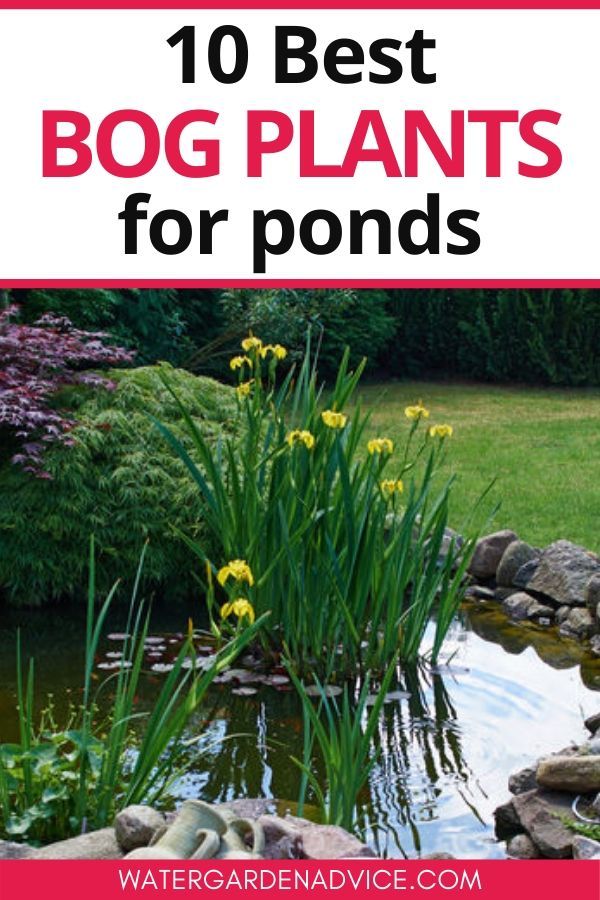


To encourage even more wildlife, consider adding simple features like a small, shallow pond or a pile of stones for hibernating insects. Leave some plants to set seed at the end of the season, providing food for birds over winter.
Your bog garden may take time to fully establish, but with patience and careful tending, it will grow into a delightful, wildlife-rich feature that adds a touch of wilderness to your UK garden. So, go ahead – embrace the mud and create a little piece of the countryside in your own backyard. Happy bog gardening!
Related Articles

Transform Your Backyard: Stunning Garden Ideas
The humble backyard has been transformed into a thriving oasis by homeowners worldwide, with gardening taking center stage as a popular, rewarding pastime...

Transform Your Porch: 15 Stunning Ideas for Outdoor Wall Decor
Transform your outdoor living space into a welcoming sanctuary with the perfect outdoor wall decor for your porch. When it comes to enhancing the aesthetics...

Transform Your Hill: 15 Stunning Front Yard Landscaping Ideas
Transforming a hilly front yard into a captivating landscape is a thrilling challenge. With the right landscaping ideas, the slope can become a stunning...

Transform Your Yard: Top Landscaping Ideas for a Dream Backyard Garden
Transform your backyard into a lush oasis with these captivating landscaping ideas. By thoughtfully combining plants, hardscapes, and outdoor features, you can...

Real-Life Exterior Door Ideas: Transform Your Outdoor Spaces
Outdoor doors serve as the transitional space between our indoor havens and the vast outdoor world,offering both functionality and aesthetic appeal. They come...

Transform Your Outdoor Space: Stunning Florida Patio Decor Ideas
Transforming your outdoor space into a personalized oasis of relaxation and entertainment is an art that many Florida homeowners have mastered. When it comes...