Can Plastic Protect Plants?
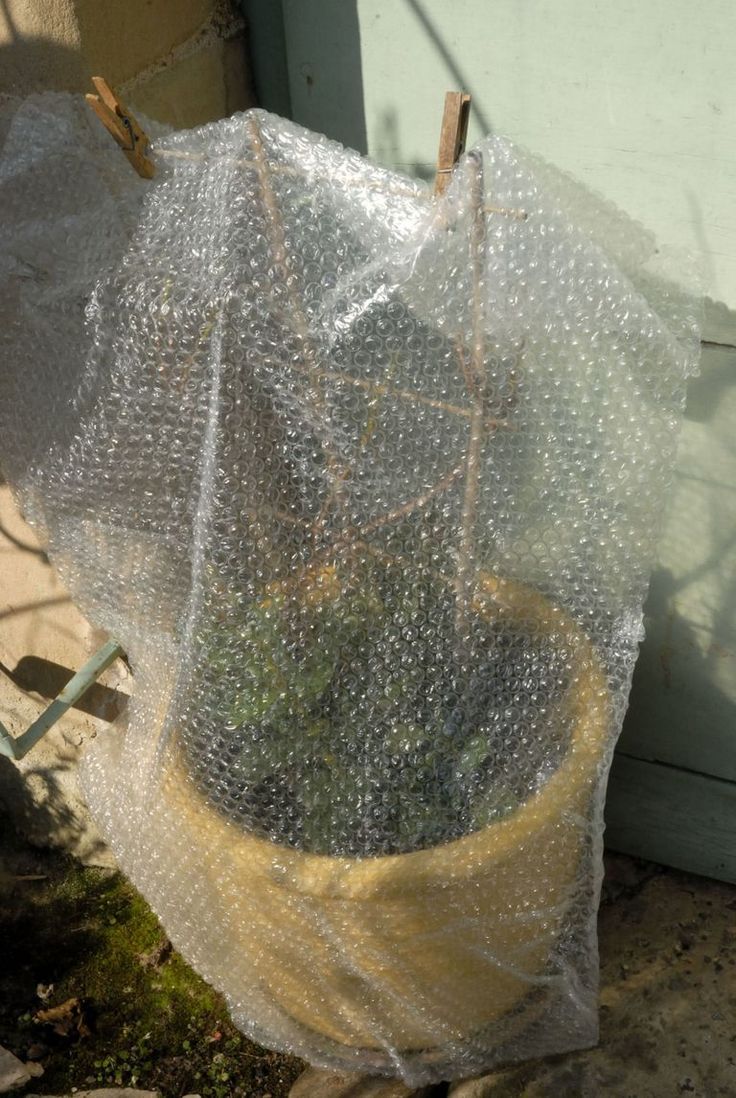
Are you considering using plastic to cover your plants? This unique gardening practice, often referred to as plastic mulching or tunnel cultural system, has gained traction due to its perceived benefits. But, like many other gardening techniques, it's not without its pros and cons. Let's delve into the intricacies of this method, exploring its advantages, disadvantages, and practical aspects.
Before we dive into the details, it's crucial to differentiate between using plastic to cover plants and using plastic pots, both of which are common in gardening. While plastic pots are standard containers for plants, using plastic to cover plants involves encasing or wrapping the plants in plastic, often as a means of creating a greenhouse-like environment.
Benefits of Using Plastic to Cover Plants
Implementing this practice comes with several advantages that might make it an attractive option for some gardeners.


The primary benefit is the creation of a controlled environment around the plant. This microclimate can help regulate temperature, retain moisture, and even control light intensity, thereby fostering optimal growth conditions.
Temperature Regulation
Plastic is an excellent insulator, which means it can help maintain a consistent temperature around the plant. This is particularly beneficial in regions with extreme temperature fluctuations or during periods of cold or hot weather.


For instance, covering plants with plastic during winter can help protect them from frost, while doing so in summer can alleviate the stress caused by extreme heat.
Moisture Retention
Plastic covers can also help retain moisture around the plants. By minimizing evaporation, this practice ensures that water is less likely to be lost to the atmosphere, leading to more efficient water usage.
However, it's essential to ensure that adequate ventilation is provided to prevent excess moisture from causing rotting or other plant diseases.


Weed and Pest Control
Plastic covers can act as a barrier, preventing weeds from growing close to your plants and reducing the risk of pest infestation. This dual benefit can significantly decrease the time and effort required for maintenance.
Moreover, the plastic can be designed to allow light to pass through, ensuring your plants receive adequate sunlight while being protected.
Drawbacks of Using Plastic to Cover Plants
While the benefits are compelling, it's equally important to understand the potential drawbacks of this method.


The most significant disadvantage is the potential impact on the environment. Plastic, being a non-biodegradable material, poses a threat to ecosystems if not disposed of properly. Moreover, the process of manufacturing plastic, particularly using non-renewable resources, can have a negative impact on the environment.
Environmental Impact
The extended use of plastic in gardening can contribute to the accumulation of plastic waste. While some types of plastic can be recycled, not all are, leading to landfill buildup and marine pollution.
Furthermore, the production of plastic involves the consumption of fossil fuels, leading to greenhouse gas emissions that contribute to climate change.
Potential Plant Health Issues
Despite the moisture retention benefits, excessive moisture under plastic covers can lead to root rot, fungal diseases, and other plant health issues if not monitored carefully. This is because plants require well-draining soil and adequate air circulation around their roots.
Overheating can also be a concern, particularly with black plastic, which can absorb heat and raise the temperature within the microclimate to unsafe levels for some plants.
Practical Considerations
Given the potential drawbacks, it's crucial to consider the practical aspects of using plastic to cover plants.
For instance, choosing a plastic type that's suitable for your plants and gardening conditions is paramount. Clear plastics are often used for their ability to allow light transmission, while black plastics can be used for their insulative properties.
Choosing the Right Plastic
It's essential to select a plastic that's durable and UV-resistant to ensure it lasts longer without breaking down under sunlight exposure. Additionally, the plastic should be malleable enough to fit around your plants without causing damage.
Moreover, consider opting for biodegradable or compostable plastics as an eco-friendlier alternative, although they might not be as durable or effective as conventional plastics.
Monitoring Plant Health
Regularly inspecting your plants is crucial when using plastic covers. This allows you to detect and address any potential issues, such as overheating, excessive moisture, or signs of disease, promptly.
Additionally, ensuring proper ventilation can help mitigate these issues. You can achieve this by creating small holes in the plastic, using a vented plastic cover, or sufficiently spacing the plants apart to allow for air circulation.
In the end, using plastic to cover plants can be a effective way to enhance plant growth, given the controlled environment it provides. However, it's crucial to weigh the pros and cons and consider the environmental impact before adopting this practice. A balance between the benefits and drawbacks is key to making this method sustainable and environmentally responsible. Consider exploring other eco-friendly gardening alternatives that can also achieve similar results, such as using organic mulches or implementing permaculture principles.
Related Articles
Can I Protect Plants with Plastic?
As an avid gardener, you've likely found yourself wondering, "Can I cover my outdoor plants with plastic?" before, especially when faced with inclement weather...
Protect Plants from Frost: Can You Use Plastic?
Worrying about frost damaging your beloved plants? You're not alone. As a gardener, you've likely considered using plastic to shield your plants from harsh...
Can You Use Plastic to Protect Your Plants?
In the world of gardening, protecting your plants from harsh weather conditions or pests is a common challenge. One ingenious solution that has gained...

DIY AC Cover: Protect Your Outdoor Unit & Protect Your Budget
Transform your outdoor space into a cozy sanctuary with our step-by-step guide on building an AC-powered outdoor DIY patio cover. Escape the scorching sun and...

Protect Your 36 Inch Round Fire Pit: Top-Rated Metal Cover for Easy Storage
Enhance the longevity and functionality of your 36-inch round fire pit with the perfect metal cover. A high-quality cover safeguards against the elements...

Patio TV Cover: Protect Your Outdoor Entertainment
Enhance your outdoor living space with a patio TV cover, a practical investment that safeguards your television from the elements, extends its lifespan, and...