NM-B Wire for Outdoor Use in Conduit: Is it Safe?
Wire management is a critical aspect of exterior electrical installations, with specific requirements for outdoor conduit use. NM-B wire, or non-metallic sheathed cable, is a common indoor wiring choice, but can it be used in outdoor conduit applications? Let's delve into this question, exploring the safety, codification, and practical considerations of using NM-B wire outdoors.
Firstly, it's crucial to understand the primary difference between NM-B and other types of cables like UF-B (underground feeder) or MC-B (metal-clad cable). NM-B cables are designed for interior use, typically run inside walls and ceilings, while UF-B and MC-B are rated for both interior and exterior applications. This distinction raises questions about the suitability of NM-B for outdoor conduit use.
Understanding NM-B Wire Ratings and Codes
NM-B wire is classified as a type NM cable, with a maximum voltage rating of 600V and typically used for 15 to 20 ampere circuits. However, these specifications are for indoor use only. Outdoor applications, particularly in conduit, have different considerations regarding voltage, current, and environmental factors.


The National Electrical Code (NEC) is a standard used for the safe installation of electrical wiring and equipment in the United States. The NEC provides guidelines on the use of various types of cables, including NM-B, in different environments. According to the NEC, NM-B cable is not suitable for direct burial or wet locations unless it's specifically listed and marked for such use. Therefore, using NM-B wire outdoors in conduit, especially in wet or underground scenarios, might not comply with these regulations.
Insulation Protection and Environmental Factors
NM-B wire uses a plastic insulation layer to protect its conductors. While this insulation is suitable for indoor, dry environments, it may degrade over time when exposed to outdoor elements like sunlight, moisture, and extreme temperatures. This degradation can compromise the insulation's integrity, leading to potential electrical issues and safety hazards.


Outdoor conduit environments can exacerbate these issues. Conduits protecting NM-B wire can trap heat and moisture, accelerating the insulation's degradation. Furthermore, outdoor conduits are subject to more mechanical damage from factors like weathering, pest activity, and accidental impacts, which could compromise the cable's physical layer and expose its wires.
Alternatives to NM-B Wire for Outdoor Conduit
If you're considering using NM-B wire outdoors in conduit, it's essential to explore suitable alternatives. UF-B and MC-B cables, as mentioned earlier, are designed for both indoor and outdoor use. These cables feature robust insulation and exterior jackets that provide better protection against environmental factors.
UF-B, or underground feeder cable, is specifically designed for direct burial and other wet locations. It has a durable exterior jacket and enhanced insulation suitable for outdoor conduit use. Meanwhile, MC-B, or metal-clad cable, features a flexible metal jacket that provides excellent mechanical protection and resistance to environmental factors. Both cables can be securely run through outdoor conduit systems.


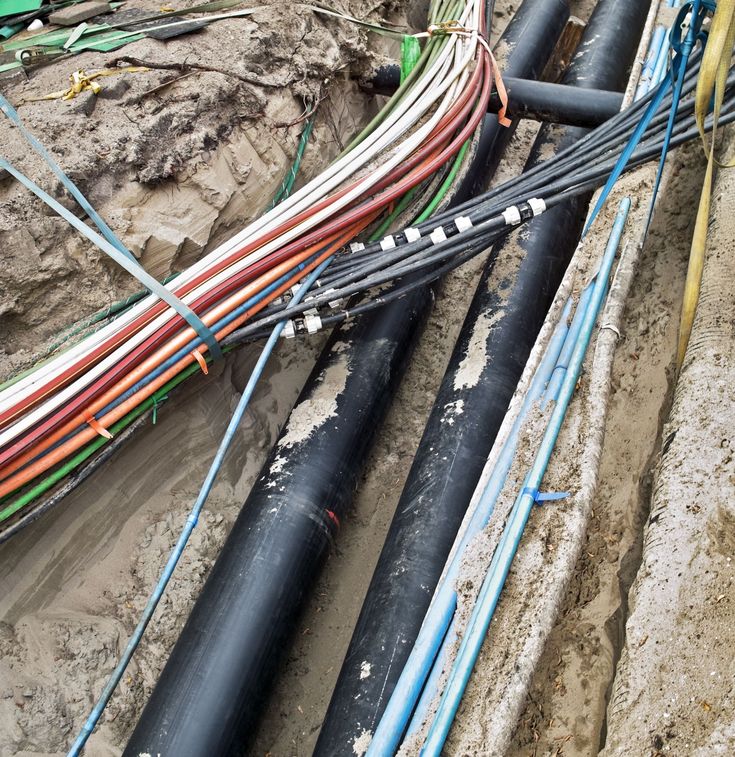


Practical Considerations for Outdoor Conduit Installations
Even if you decide to use NM-B wire outdoors in conduit, certain precautions should be taken to mitigate potential risks. Firstly, ensure the conduit is properly protected from mechanical damage and environmental factors. This might involve additional shielding, routing the conduit away from high-impact areas, or using thicker-walled conduit to provide extra protection.
Secondly, proper termination is crucial. Ensure all outdoor NM-B wire terminations are appropriately sealed and protected from the elements. Regularly inspect outdoor conduit installations for any signs of damage or degradation, and make repairs as necessary. It's also a good idea to consult with a professional electrician for tailored advice on your specific situation.
In conclusion, while it's technically possible to use NM-B wire outdoors in conduit, doing so necessitates careful consideration of safety, regulatory, and environmental factors. The best course of action typically involves using specifically rated cables like UF-B or MC-B for outdoor conduit applications. However, if you decide to use NM-B wire outdoors, ensure you take appropriate precautions to mitigate potential risks. Always exercise caution when working with electrical systems and consider consulting with a certified electrician for advice tailored to your specific situation.


Related Articles

Can NM-B Wire Be Used Outdoors?
When contemplating the use of bare copper wire in outdoor settings, the question that often arises is: Can NM-B wire be used outdoors? While National...

Can NM-B Be Used Outdoors?
Are you considering using NM-B, the Bluetooth Low Energy (BLE) module, outdoors? Before you make a decision, it's crucial to understand how this tiny yet...

Metal Clad Wire: Outdoor Application & Safety
Ever wondered if the metal clad wire in your toolbox can withstand the elements? You're not alone. The question "Can metal clad wire be used outside?" is a...
Can Metal Flex Conduit Be Used Outdoors?
When considering electrical installations for outdoor or weather-exposed areas, one of the most common questions that arises is: "Can metalflex conduit be used...
Metal Conduit for Outdoor Use: A Comprehensive Guide
Metal conduit is a widely used electrical raceway, known for its durability and rugged design. But can it be used outdoors? The short answer is yes, but there...

Outdoor Lighting: Metal Conduits for Durable and Safe Installation
When it comes to illuminating your outdoor spaces, selecting the right conduit is as important as choosing the perfect fixtures. A durable, safe, and efficient...