Can You Legally Live In A Shed?
Ever toyed with the idea of downsizing your living space or embracing a minimalist lifestyle? You might have asked yourself, "Can you live in a shed?" While it's not a typical living arrangement, many people have transformed sheds into comfortable, functional living spaces. Let's explore the feasibility, challenges, and benefits of this unconventional housing solution.
Before diving in, consider that the legality and practicality of living in a shed vary greatly depending on your location and local regulations. Some places permit accessory dwelling units (ADUs) or tiny homes, while others strictly prohibit it. Always consult local zoning laws and building codes before proceeding with your plans.
Understanding Sheds as Living Spaces
Traditionally, sheds serve as storage units or workshops. But with some creative design and preferably a larger model (100-200 sq ft), you can convert a shed into a cozy, habitable space. You'll need proper insulation, electrical wiring, plumbing, and ventilation to ensure comfort and safety.


Sheds also come in various materials, like wood, metal, or vinyl. Each has its pros and cons regarding cost, maintenance, and durability. Remember that the sturdier and better-constructed your shed, the more comfortable and secure your living experience will be.
Shed inscribed Living: Space considerations
Space efficiency is crucial when living in a shed. Invest in multi-functional furniture, adequate storage solutions, and smart design principles to maximize your tiny footprint. Opt for lofted beds or sleepers to create extra floor space for daily activities.


Natural light and thoughtful lighting design can also make your shed feel more spacious. Incorporate windows, skylights, or solar tubes to illuminate your space during the day. LED lighting and smart bulbs can provide ample illumination at night while keeping energy costs low.
Shed Living: Insulation and climate control
Insulating your shed is paramount to maintaining a comfortable living environment throughout the year. Inexpensive materials like foam board or rigid panel insulation can help control temperature and reduce outside noise. A properly insulated shed can also minimize condensation, mold, and Rogue pests.
Consider installing an HVAC system or a heat pump to regulate your shed's temperature. For milder climates, fans and open windows can provide sufficient ventilation. Always ensure your shed has adequate heating and cooling solutions to support year-round occupancy.


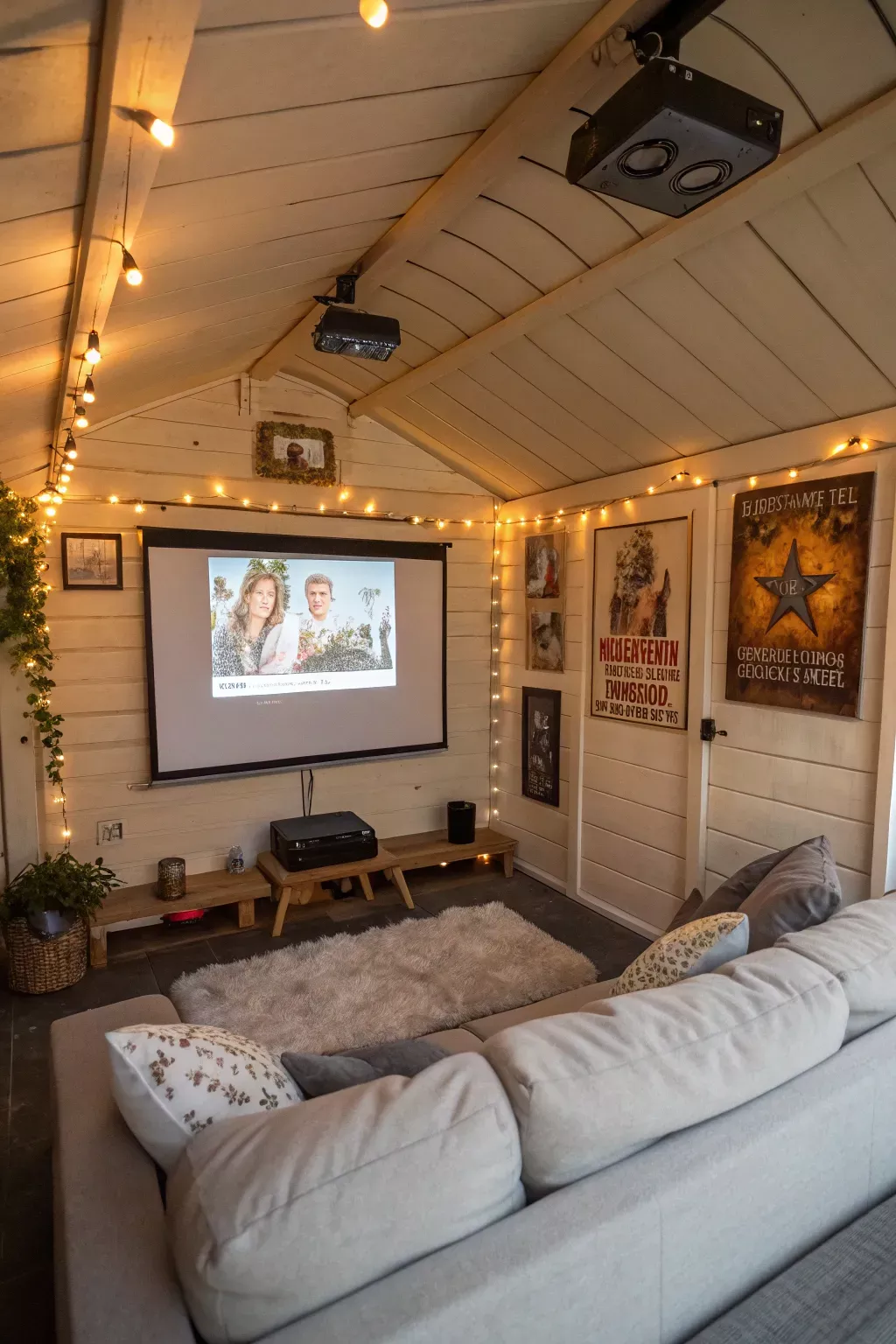


Benefits and Drawbacks of Shed Living
Converting a shed into a living space offers numerous advantages, such as reduced living expenses, increased sense of freedom, and potential extra income if you decide to rent it out. Plus, the eco-friendly appeal of minimal resource consumption and waste reduction is a bonus for sustainability-minded individuals.
However, shed living is not without its challenges. You might face limitations in access to utilities, potential noise pollution from nearby properties, and the stigma associated with unconventional housing. Always weigh the pros and cons before making a decision.
Shed living: Cost savings and financial independence
Living in a shed can significantly reduce your housing costs, enabling you to save money, pay off debt, or invest in other endeavors. With proper insulation and energy-efficient appliances, you can minimize utility expenses while maintaining a comfortable living environment.


Moreover, shed living can foster financial independence by providing an affordable shelter solution. If you own your property, you'll eliminate rent or mortgage payments, freeing up money for other priorities. Building your own shed can also be a cost-effective alternative to purchasing an existing one.
Shed living: Community building and unique experiences
While living in a shed might not be everyone's cup of tea, it can foster connections with like-minded individuals who are also interested in tiny homes, minimalism, or alternative living arrangements. Joining forums, online communities, and local meetups can help you share ideas and learn from others who have successfully transitioned to shed living.
Embracing shed living can also offer unique, personal growth experiences. Downsize your possessions, reassess your priorities, and simplify your daily routines. This newfound minimalism can lead to increased contentment, reduced stress, and a greater appreciation for the little things in life.
In conclusion, "can you live in a shed?" is not a one-size-fits-all answer. It ultimately depends on your personal circumstances, local regulations, and your ability to adapt to a smaller, more minimalist lifestyle. If you're considering shed living, carefully evaluate your needs, consult local regulations, and weigh the advantages and disadvantages. Embracing this unconventional housing solution could lead to a more sustainable, independent, and fulfilling life.
Related Articles

Shed Living: Can I Legally Live in My Garden Shed?
Tucked away in a quiet corner of your garden, a humble shed stands, its silent strength sheltering tools and dreams. But could it also shelter you, or a loved...
Can I Legally Live in a Shed on My Property?
Living in a shed on your property can indeed be a feasible and appealing option, offering unique benefits such as reduced living expenses, increased...
Can You Legally Live in a Shed in Your Backyard?
The concept of living in a backyard shed has gained considerable traction recently, spurred by various factors such as affordability, simplicity, and the...
Can You Legally Live in a Shed on Your Property?
Have you ever pondered the idea of simplifying your life by downsizing your living space, perhaps to a shed on your property? This concept, often associated...
Can You Legally Live in a Shed in New Zealand?
Tucked away in picturesque gardens, nestled among rural landscapes, or transforming urban backyards, sheds can be more than just storage solutions in New...
Shed Living: Can You Legally Live in a Backyard Shed?
Have you ever considered turning your backyard into a cozy, self-sufficient living space? With the rising popularity of tiny homes and sustainable living, many...