Can You Live Abroad with a US Green Card?
Emigrating from the United States with a green card raises questions about your legal status and how it affects your decision to reside outside the country. It is crucial to understand that while a green card grants permanent resident status, it does not ensure unrestricted international travel. This article delves into the intricacies of living abroad with a green card, guiding you through key considerations, regulations, and practical steps to ensure a smooth transition.
Before exploring the specifics, it's essential to grasp the two primary types of green cards: conditional and permanent. A conditional green card is typically issued to spouses who have been married for less than two years. After three years, these individuals must apply for a removal of conditions to obtain a permanent green card. In contrast, a permanent green card is issued to individuals who meet specific criteria, such as those who have held their green card for five years or have been married to a U.S. citizen for two years.
Understanding Residency Requirements
U.S. Citizenship and Immigration Services (USCIS) mandates that green card holders maintain continuous residence in the United States to retain their status. Failure to do so may result in the loss of your green card. However, there are exceptions and ways to preserve your resident status while living abroad.

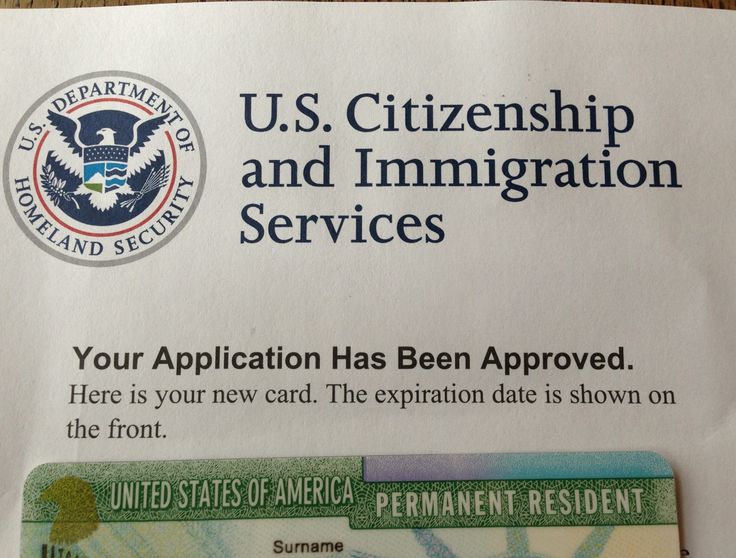

For instance, if you are a green card holder traveling for pleasure or business, you can remain abroad for up to six months at a time without disrupting your continuous residence. However, if you plan to stay overseas longer, you must apply for a re-entry permit, Form I-131, before leaving the U.S. This permit enables green card holders to stay abroad for up to two years without disrupting their continuous residence.
Preserving Continuous Residence
Obtaining a re-entry permit is crucial if you intend to live outside the U.S. for more than six months. The application process involves submitting Form I-131 to USCIS, along with the required fees and evidence of your intention to return to the U.S. upon expiration of the re-entry permit. Keep in mind that, even with a re-entry permit, USCIS recommends that green card holders spend no more than a year at a time outside the U.S.


In addition to a re-entry permit, maintaining ties to the U.S. is essential in proving your intention to return. This can be achieved by retaining a U.S. address, maintaining a U.S. bank account, and visiting the U.S. periodically. Moreover, filing U.S. taxes as a resident alien demonstrates your commitment to U.S. laws and reinforces your ties to the country.
If you find that maintaining a green card while living abroad presents too many challenges, you may want to explore other options. Consideration of U.S. citizenship or renunciation of your green card may help you achieve your goals. Becoming a naturalized U.S. citizen eradicates the residency requirement altogether, while renouncing your green card allows you to live permanently outside the U.S. without worry of loss of status.
However, renunciation should not be taken lightly. Before taking this step, weigh the implications, including the potential for U.S. expatriate taxes and the possible difficulty in re-entering the U.S. as a non-immigrant in the future.
Employment and Benefits Considerations
Green card holders may work and receive government benefits in the U.S. However, working abroad while holding a green card can pose challenges. U.S. employment regulations apply to green card holders in the U.S. and can be more stringent than those in other countries. Moreover, working outside the U.S. may impact your ability to retire in the U.S. or collect Social Security benefits.
As a green card holder, you must apply for a Social Security Number (SSN) or an Individual Taxpayer Identification Number (ITIN) to work and pay taxes. However, receiving government benefits may require additional hoops to jump through, as some benefits may have stricter residency requirements than others.


Working Abroad with a Green Card
Working abroad while holding a green card demands careful attention to regulations, both in the U.S. and in the country where you reside. Ensure you comply with immigration, tax, and employment laws in both countries to avoid significant penalties. It may be beneficial to consult with an immigration attorney or an international tax consultant to navigate any potential complexities.
It's also essential to consider how employment outside the U.S. may affect your U.S. retirement benefits. For example, working abroad for a U.S.-based company may have implications for your retirement savings. Furthermore, working and paying taxes in a foreign country might impact your Social Security benefits and income tax liability in the U.S.
Government Benefits and Green Card Holders
The U.S. government provides various benefits to green card holders, subject to specific conditions. Some of these benefits include healthcare, housing, and Supplemental Security Income (SSI). However, many benefits have residency requirements, which can be challenging to maintain while living abroad.


Medicare, for instance, is available to green card holders who meet the age and medical qualification requirements. However, to maintain Medicare enrollment, you must reside in the U.S. for at least six months of the year, making it difficult to receive this benefit while living abroad. Other programs, like Social Security Disability Insurance (SSDI), may have similar residency requirements, making them inaccessible to green card holders who reside overseas.
Alternatively, green card holders living abroad may qualify for benefits from other countries. Before opting for this route, consult with a professional to understand the tax implications and potential consequences on future U.S. government benefits.
International Travel and Green Card Holders
Green card holders enjoy certain travel privileges but are still subject to specific rules when traveling outside the U.S. Understanding these rules is crucial to avoid losing your green card status or experiencing complications upon re-entry.
U.S. Customs and Border Protection (CBP) requires green card holders to present their green card when re-entering the U.S. from abroad. In addition, if you have been outside the U.S. for more than six months or if you do not have a valid re-entry permit, you may experience delays or additional scrutiny at the border.
Traveling on an Expired Green Card
Green cards are valid for ten years, after which they must be renewed. However, green card holders often travel before their card expires. When traveling on an expired green card, present both your expired green card and your valid passport to CBP. You may need to provide evidence of your upcoming green card renewal application to be granted entry.
If your green card has been expired for more than a year, you may need to apply for a new green card through a process called "adjustment of status" or "consular processing." Consult with an immigration attorney or the nearest U.S. embassy or consulate for guidance on these processes.
The Risk of Exiting and Entering the U.S.
Each time you depart from and enter the U.S., CBP officers may examine your green card and question you about your intentions and ties to the country. Engaging in extended periods abroad, inconsistent visits to the U.S., or failing to provide evidence of your ties to the U.S. may raise red flags and lead CBP officers to question whether you've abandoned your U.S. residence.
In some cases, CBP officers may deem that you have abandoned your U.S. residence, potentially leading to the loss of your green card. To mitigate this risk, maintain strong ties to the U.S., visit periodically, and be prepared to show evidence of your intention to return and reside in the U.S.
The decision to live outside the U.S. while holding a green card should be carefully considered, as it comes with numerous regulations, considerations, and potential challenges. By understanding the intricacies of your status and seeking professional guidance as needed, you can navigate these complexities and make the most of your international experience. Embrace the journey, and let your global adventures inspire your future explorations.
Related Articles
Can Green Card Holders Live Outside the US?
Ever found yourself wondering, "Can I live outside the U.S. with a Green Card?" It's a valid question, given the numerous benefits of being a U.S. Permanent...

Can I Renew My Green Card Abroad?
Are you a Green Card holder who's planning to spend an extended period outside the United States? You may be wondering, "Can I renew my Green Card while I'm...

Can You Live Abroad & Collect VA Disability?
Living outside the U.S. while receiving VA disability compensation can raise various questions and considerations, especially regarding your benefits and the...

Millions of Albanians Live Abroad: A Global Albanian Diaspora
Are you curious about the global dispersion of the Albanian diaspora? You're not alone. The question "Do more Albanians live outside of Albania?" is one that...

"Living Abroad & Collecting U.S. Social Security: Can You?"
Living abroad while receiving Social Security benefits is a common question among retirees and those planning for retirement. The U.S. Social Security...

Can You Live Abroad on SSD?
Ever wondered whether it's possible to live outside the U.S. and still receive Social Security Disability Insurance (SSDI)? The answer is yes, but it comes...