Should You Wrap Trees in Landscape Fabric?
Ever wondered if you can use landscape fabric around a tree to prevent weeds or protect its root system? You're not alone. Many gardeners face this dilemma, and the answer, as with many things in gardening, is: it depends. Let's delve into the advantages and disadvantages of using landscape fabric around trees to help you make an informed decision.
Firstly, let's understand why you might consider using landscape fabric. It's a durable, permeable material that blocks weeds, retains moisture, and can be used to stabilize soil. But can it coexist harmoniously with your tree?
Potential Benefits of Using Landscape Fabric Around Trees
Weed Control: Landscape fabric can significantly reduce the number of weeds growing around your tree. Weeds compete with trees for water, nutrients, and light, potentially hindering your tree's growth.


Moisture Retention: By covering the ground around your tree, landscape fabric can help retain moisture, ensuring your tree gets adequate water - a crucial factor in its well-being. This is particularly useful in water-scarce regions or during droughts.
Short-Term Advantages
Weed control and moisture retention are immediate benefits of using landscape fabric around trees. In the short term, your tree may show improved growth due to reduced competition from weeds and consistent moisture.


Another short-term advantage is the protection of the tree's root system from damage caused by lawn mowers or string trimmers. Landscape fabric can create a clear border around your tree, preventing accidental damage.
Long-Term Considerations
While the short-term benefits are enticing, it's important to consider the long-term effects of using landscape fabric around trees. While landscape fabric allows water and air to pass through, it does not allow light to reach the soil, which can hinder the growth of beneficial soil microbes and fungi.
Moreover, as the fabric decomposes over time (which can take several years), it may turn into a barrier that prevents water from reaching deeper soil layers, potentially harming your tree's long-term health.


Drawbacks of Using Landscape Fabric Around Trees
Soil Health: As mentioned earlier, landscape fabric prevents light from reaching the soil, which can negatively impact soil health. The lack of light can hinder the growth of beneficial soil microbes and fungi that help in nutrient cycling and overall soil health.
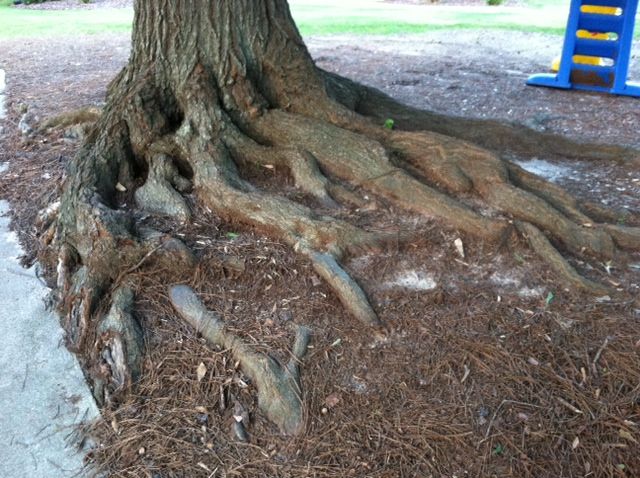
Root Development: Over time, landscape fabric can prevent tree roots from spreading naturally. Trees need a wide spread of roots to anchor themselves and draw up necessary water and nutrients from a broader area. By confining roots with landscape fabric, you might be stunting your tree's growth potential.
Alternatives to Landscape Fabric
Organic Mulch: Instead of landscape fabric, consider using organic mulch like wood chips or straw around your tree. Organic mulch provides many of the benefits of landscape fabric (weed control and moisture retention) without the long-term drawbacks. It also improves soil health as it decomposes.


Proper Lawn Care: If the main concern is weed control, maintaining a healthy lawn can help. weeds are less likely to invade a thick, robust lawn. Ensure your lawn is mowed at the correct height (never more than one-third of the grass height at any one time) and fertilized appropriately.
In conclusion, while landscape fabric can provide some benefits in the short term, the long-term effects on soil health and root development may not be worth the risk. Consider alternatives like organic mulch or proper lawn care for a healthier, more sustainable approach to tree care. If you do choose to use landscape fabric, ensure it's used in moderation and removed as your tree grows.
Related Articles

Choosing the Ideal Mulch for Tree Surrounds
Mulching around trees is a vital practice that offers numerous benefits, including moisture retention, weed control, temperature regulation, and nutrient...

Bold Landscape Design for Fire Pit Accents
Enhance your outdoor living space with a captivating centerpiece: a charming fire pit, surrounded by an alluring landscape design that blends form and function...

Unveiling the Truth: Is Landscape Fabric Waterproof?
When it comes to protecting your garden or landscape from weeds, insects, and other unwanted intruders, one of the most popular solutions is landscape fabric...

Outdoor Christmas Tree Ideas: Light Up Your Winter
The holidays are just around the corner, and it's time to start thinking about how to make your outdoor spaces festive and inviting. While most people focus on...

Dynamic Tree Transfers: Live Tree Moving
If you've ever witnessed an intricately designed garden or a perfectly landscaped estate, you might have puzzled over how those beautiful, mature trees were...

A Grove: Understanding Small Tree Clusters
A small area of trees is often referred to as a copse, grove, or coppice. These terms are commonly used in wooded landscapes to describe a collection of trees...