Can You Cover Tree Roots with Landscape Fabric?
Tree roots are the unsung heroes of the plant world, anchors that support the tree's vast canopy and sustainable water foraging systems. Therefore, when planning to use landscape fabric around the base of your trees, you might wonder: can you put landscape fabric over tree roots? Let's delve into this and more, exploring the potential impacts, alternatives, and best practices to keep your trees thriving.
Landscape fabrics serve multiple purposes, including weed control, preventing soil erosion, and maintaining optimal soil moisture. However, they can also inhibit the tree's 'breathing' process and affect root growth if not used correctly. So, let's navigate this crucial topic in detail.
Impact of Landscape Fabric on Tree Roots
Landscape fabrics can be beneficial when used judiciously but can potentially harm trees if not applied smartly.


Strangulation hazard: Tightly woven fabrics can restrict the expansion of tree roots, leading to girdling. Over time, this may suffocate the roots and cause tree decline.
Affect on Water and Nutrient Absorption
Fabrics can inadvertently impede water and nutrient absorption from the soil into the root system. While landscape fabrics allow water to seep through, they can prevent essential soil micronutrients from reaching the roots.

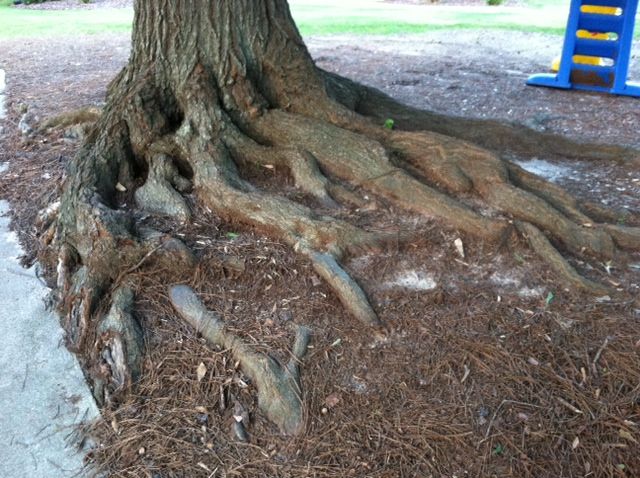

Additionally, organic matter can accumulate on the fabric, further blocking the flow of micronutrients to tree roots, especially during periods of drought.
Effect on Mycorrhizae
Mycorrhizae are symbiotic fungi crucial for tree roots' health. They play a vital role in nutrient and water absorption, and their growth can be stunted or inhibited when landscape fabric is placed directly on the soil surface.
Blocking their access to the soil can disrupt the mycorrhizae-networks' symbiotic balance, potentially harming the tree's overall health and nutrient uptake.


Proper Use of Landscape Fabrics around Trees
Knowing the potential hazards, it's essential to understand when and how to use landscape fabrics around trees without compromising their health.
Leave space for root expansion: Ensure the fabric offers enough space for the roots to expand. For established trees, the fabric should extend no more than 12 to 18 inches from the trunk.
Use Separation Layers
To minimize the risk of root strangulation, use lightweight fabrics with a spaced weave or add a separation layer between the fabric and the soil. Materials like burlap, coir, or wood chips can be ideal.


Limiting organic accumulation: Monitor the fabric regularly, removing accumulated organic matter to prevent nutrient blockage. Keep the fabric slightly elevated off the soil surface.
Stick to Inorganic Fabrics for Larger Trees
For older, more robust trees, inorganic fabrics like landscape woven geo-textile can help prevent weed growth without significantly impacting tree root growth. However, ensure the fabric is permeable and well-spaced to allow for root expansion.
The ideal action plan, though, would be to avoid using landscape fabrics around tree roots altogether, focusing more on organic mulching and proper spacing to manage weeds.
Alternatives to Landscape Fabrics
Several viable options exist to control weeds and maintain soil health without utilizing landscape fabrics.
Organic mulching: Use wood chips, pine needles, or shredded leaves around your trees. This approach not only suppresses weeds but also improves soil quality, encourages healthy root growth, and maintains optimal soil moisture.
Proper spacing: Adequate spacing between plants helps minimize competition for water and nutrients, reducing the need for weed control strategies that may negatively impact tree roots.
Perennial Groundcovers
Transplanting groundcover species that are well-adapted to your local climate can help maintain soil health and minimize weeds. Low-growing, non-invasive plants like clover, creeping thyme, and sweet woodruff can help manage weeds without hindering your trees' growth.
Cultivating a healthy tree requires careful consideration of its needs. While landscape fabrics can aid in landscape management, careful placement and monitoring are necessary to ensure they don't negatively impact your trees' health.
Ultimately, the best approach lies in understanding your tree species, soil quality, and local climate to select the most appropriate strategy for weed control and soil maintenance around your trees.
Related Articles

"Tree Stump Cover Ideas: What Can I Use?"
After removing a tree, you're left with a tree stump that can be both an eyesore and a hazard. But did you know there are several creative and functional ways...

Can You Put Landscape Fabric Over Mulch?
Ah, the eternal gardening conundrum: Can you put landscape fabric over mulch? The short answer is yes, but as with all things gardening, the 'best' answer is...

Forest with Vast Tree Cover and Lush Underbrush
A forest, a vast expanse of land cloaked in a verdant mantle of trees and underbrush, is not merely a refuge for wildlife—it's a vitalizing force that shapes...

Balcony Cover Ideas: Transform Your Space
Transforming your balcony into a functional and stylish extension of your home can create a unique outdoor living space. But first, you need to decide what to...

What to Do with a Dead Tree Stump: Effective Removal & ideas
A fallen tree stump can be an eyesore in your yard, but it doesn't have to be. With the right approach, you can turn this seemingly mundane leftover into...

Transform Your Yard: Creative Uses for a Tree Stump
Have you recently removed a tree from your yard and been left with an unsightly stump? Don't let that leftover piece of wood get you down. There are numerous...