Creative Curriculum Building Study Ideas
In the dynamic world of education, creativity is often lauded as the key to unlocking students' potential. Yet, fostering creativity in the classroom can sometimes feel like a daunting task. This is where a creative curriculum building study comes into play, offering a wealth of ideas to inspire and engage young minds. Let's delve into some innovative strategies that not only spark imagination but also ensure learning objectives are met.
Creative curriculum building isn't merely about adding fun activities or cool tech into the teaching mix. It's about restructuring the entire learning experience to, as Sir Ken Robinson put it, "foster creativity, reduce standardization, and encourage learners to embrace the whole range of their abilities." By incorporating creative approaches at every level, from lesson planning to assessment, educators can help each student find their voice and unlock their unique pathway to learning.
Transforming Learning Spaces
The physical environment can significantly impact learners' attitudes, behaviors, and academic performance. Designing an inviting, flexible, and stimulating learning space can foster creativity and collaboration.


Consider creating thematic learning zones like 'theory corner', 'discovery zone', or 'creativity hub'. Use flexible furniture to adapt to different teaching methods. Incorporate colors, textures, and visual stimuli that align with the topic or theme of study. Remember, a well-designed learning space should inspire wonder, curiosity, and a desire to explore.
Mobile maker labs
A mobile maker lab is a portable invention hub that brings hands-on creativity directly to students. Outfitted with basic tools, recycled materials, and educational software, these labs encourage students to design, create, and iterate solutions to real-world problems.


Educators can incorporate this approach by building or procuring a mobile maker lab and scheduling regular sessions. By empowering students to tinker, innovate, and learn by doing, you're fostering not just creativity, but also critical thinking, problem-solving, and resilience.
Outdoor classrooms
Nature is a powerful educator, and learning outdoors can enhance students' understanding, engagement, and wellbeing. Transforming the school grounds into an outdoor classroom can bring abstract concepts to life and create lasting learning experiences.
For instance, students could map a '.concurrent reversible evolution' trail, measuring and comparing the diversity of species in different habitats. Or, they could use the school grounds to explore angles and measurement in geometry, or even investigate local ecosystem dynamics.


Integrating Creative Pedagogies
Innovative teaching methods not only spark students' imagination but also make complex concepts accessible and meaningful.
Integrating creative pedagogies into day-to-day teaching can transform learning outcomes. Here's how:
Project-based learning (PBL)
PBL is a student-centered approach that challenges students to explore real-world problems and challenges. It fosters creativity by encouraging students to think critically, collaborate, communicate, and be resourceful.

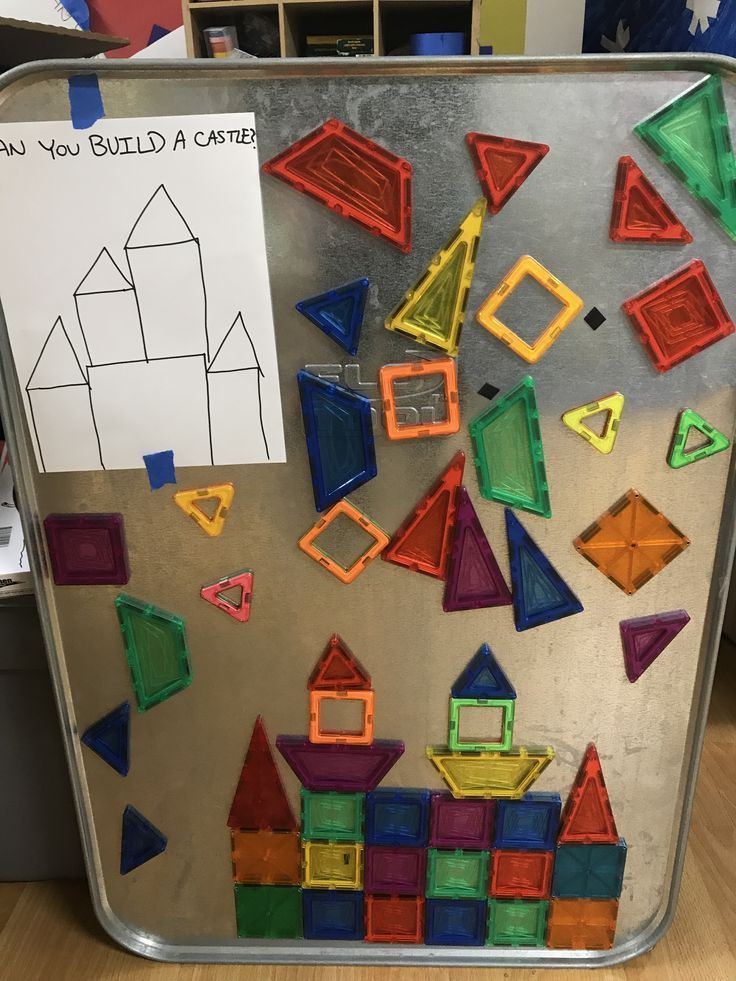


For example, students could design an innovative recycling system for their school, conduct research on its feasibility, and create a promotional campaign to educate their peers about its benefits. Through this process, students not only learn about waste management but also develop essential skills like project management, communication, and teamwork.
Inquiry-based learning (IBL)
IBL empowers students to ask questions, find answers, and construct their own understanding of the world. It promotes creativity by encouraging students to think independently, take risks, and make conjectures.
In an IBL classroom, a teacher might pose a question like, 'Why is it raining?' Students then design and conduct experiments to test their hypotheses. This collaborative, hands-on approach not only fosters creativity but also supports the development of scientific literacy.
Ultimately, creative curriculum building isn't about adding glamorous props or frills. It's about creating an engaging, thought-provoking environment where every student feels empowered to express their unique voice and learn in their own, creative way. So, why not take the first step today? Start small, experiment, and, most importantly, let the creativity flow. Because when our students find their voice, they inspire us all to sing a little louder."
Related Articles
"Creatively Crafting Curricula: Building Engaging Study Activities"
Crafting a creative curriculum is a rewarding pursuit for educators, enabling students to explore, engage, and understand complex concepts in vibrant and...
Creative Curriculum Building Study
In the ever-evolving landscape of education, creating an engaging and effective curriculum is no easy task. It's a complex process that requires a deft balance...
Creative Curriculum Building Study Books
Discovering the perfect resources to enhance your creative curriculum can feel like searching for a needle in a haystack. With the advent of innovative...

10 Clever Creative Office Team Building Ideas
In today's fast-paced business environment, fostering a creative and cohesive office team is more important than ever. Team building activities not only...
Creative Curriculum Buildings Study PDF
Unlocking creative potential in education often requires a departure from traditional curricula. The Creative Curriculum approach has emerged as a powerful...

Gardening Curriculum PDF: Creative Ideas for Your Class
Immerse your students in the wonders of nature and the joy of creativity with a gardening creative curriculum . This interdisciplinary approach combines...