Dappled Forest: Enchanting Location for Memorial Photos
Imagine strolling through a serene, sunlight-dappled forest, where the dance of light and shadow paints a shifting mosaic on the woodland floor. This enchanting scene is the hallmark of a forest location favoring dappled sunlight, a coveted yet delicate balance between shade and illumination. Let's delve into the intricacies of dappled forest locations, their creation, and the unique experiences they offer.
The concept of dappled sunlight, also known as dappled shade or filtered light, is a visual phenomenon resulting from light passing through dense, leafy canopies. This process creates scattered, irregular patches of light and dark, akin to nature's own pointillist painting. In a forest context, dappled sunlight is a characteristic of mixed, multi-layered vegetation, with taller trees sporting broader leaves allowing more light penetration than their smaller, denser counterparts.
Creating Dappled Forest Locations
The formation of dappled sunlight zones is intrinsically linked to the forest's composition and structure. Broad-leaved deciduous trees, such as maples and birches, and conifers with broader needles, like the white pine, are instrumental in creating this dappled effect. These trees, when strategically planted or naturally occurring, let through just the right amount of light to generate patches of brightness amidst the forest's natural shade.

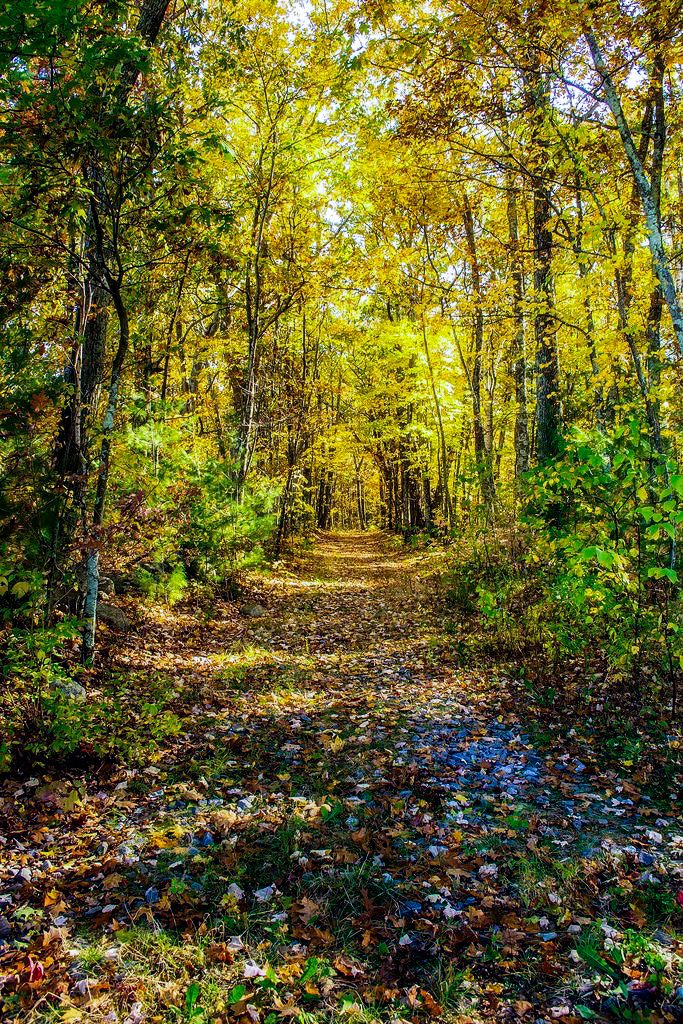

Ecologists, landscape architects, and forest managers work synergistically to design and maintain dappled forest locations. By carefully selecting tree species, managing understory vegetation, and controlling canopy density, they can cultivate these enchanting habitats that serve multiple functions, from wildlife conservation to recreational opportunities for humans.
Canopy Management
Canopy management is pivotal in creating dappled light conditions. Maintaining an optimal canopy cover - not too dense, allowing just enough light penetration - is key. This balanced canopy allows for the growth of an understory layer, enhancing biodiversity and fostering a rich ecosystem.


Periodic selective pruning and removal of branches blocking light can also help maintain and augment the dappled light effect. This practice, known as crown lifting, promotes better light penetration without annihilating the tree's structure. It's a delicate process that requires expertise and understanding of the tree's biology to prevent unnecessary stress or damage.
Understory Gardening
Cultivating the understory complements canopy management in creating dappled sunlight zones. Plants chosen for their ability to thrive in partial shade, such as ferns, wildflowers, and certain shrubs, enrich the forest floor and further the dappled light display. This encourages a broader range of flora and fauna, further enhancing biodiversity.
Controlled grazing, mulching, and regular removal of invasive species ensure the understory remains healthy and productive. These practices also help regulate sunlight penetration, maintain the delicate balance between light and shadow, and foster the dappled sunlight effect.


Benefits and Experiences of Dappled Forest Locations
Dappled forest locations offer numerous advantages, from ecological and environmental perspectives to aesthetic and recreational value. Their intricate play of light and shadow provides critical habitat and food sources for a variety of wildlife, from birds and insects to small mammals and reptiles.
For humans, dappled forest locations also provide unique recreational experiences. These spaces encourage gentle exploration and introspection, with the ephemeral dance of light and shadow enhancing the senses. They offer a sense of sanctuary and respite, balancing out the exposure to bright sunlight with soothing, calming shade.
Photography and Art Inspiration
Dappled sunlight creates dramatic contrasts and textures, making dappled forest locations a photographer's dream. The constantly changing light and shadow patterns provide endless compositions and effects, turning every visit into a unique photography session.


Artists similarly find inspiration in these locations. Painters, sketch artists, and even performance artists might use the dappled sunlight as a muse, capturing the ethereal beauty of light and shadow dancing through the forest.
Therapeutic and Educational Values
Dappled forest locations harness nature's power to evoke a sense of tranquility and well-being. The interplay of light and shadow can induce a state of mindfulness, encouraging introspection and relaxation. Forest therapy, also known as Shinrin-yoku, leverages these salutary effects, with practitioners walking mindfully through forest environments to reduce stress and enhance overall health.
Educational opportunities abound in these spaces. School children and young naturalists can learn about photosynthesis, plant adaptation, and wildlife habitats through observing the dappled sunlight's influence on the forest ecosystem. These lessons can be integrated into art, science, and social studies curriculums, fostering an interdisciplinary appreciation for nature.
A well-managed dappled forest location is not just a beautiful visual spectacle; it's a living testament to the harmonious balance between nature and human intervention. By preserving and cultivating these spaces, we can indulge in their aesthetic and recreational benefits while promoting biodiversity and ecological health. As you stroll through your next dappled sunlight experience, remember that every patch of light on the forest floor tells a story of ecological balance and our role in nurturing it.
Related Articles

Enchanting Living Room Photos: Radiant interiors for pretty living spaces
Welcome to a delightful exploration of beautiful living room designs that are sure to inspire your own space. These captivating images represent the essence of...

Dappled Forest Update
The sun filtering through the dense canopy creates a mesmerizing dance of light and shadow, a phenomenon known as the dappled effect. This natural spectacle is...

Enchanting Covered Patio Design Ideas: Before & After Photos
Are you seeking to enhance your outdoor living space with a structure that offers protection from the elements while maintaining an open-air ambiance? A...

Dappled Forest vs Plains: Will This Biodiversity Shift Happen?
The notion of a dynamic shift from plains biomes to dappled forest landscapes has sparked considerable interest in the scientific community, fueled by rapidly...

Enchanting Forest Theme Ideas for Magical Spaces
Immerse yourself in nature's realm with these captivating forest theme ideas. Ideal for decorating homes, weddings, or inspiring creative projects, these...

Dappled Forest Release Date: What You Need to Know
The Dappled Forest, an anticipated open-world game, has been the topic of much discussion among gaming enthusiasts and industry pundits alike. The recent...