Discover Dappled Forest: Unlock Nature's Secret
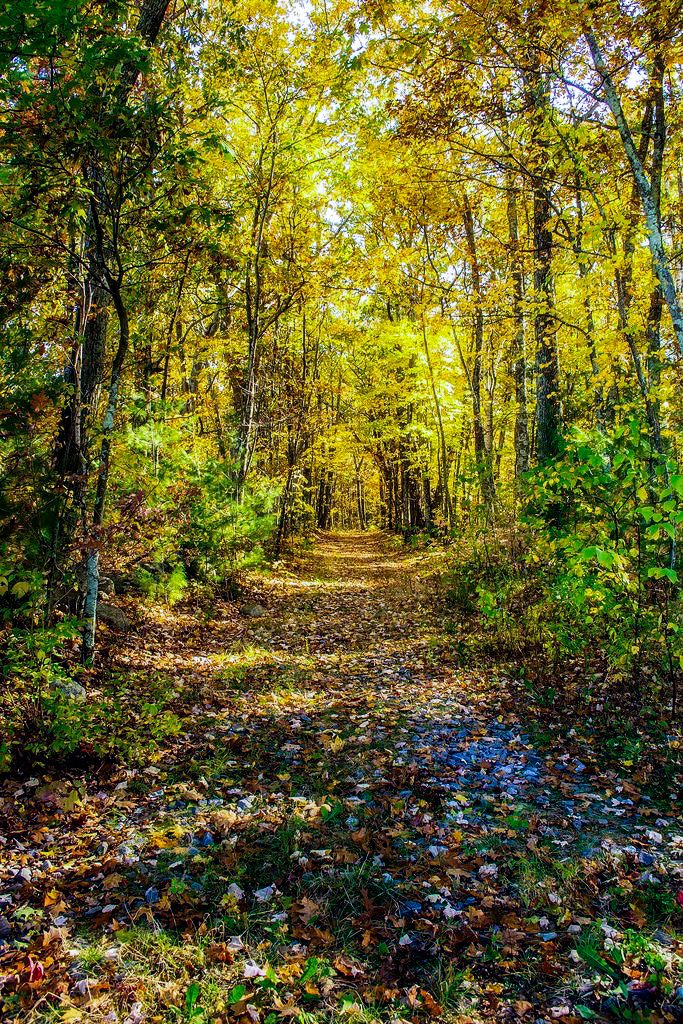
Imagine strolling through a sun-soaked, verdant forest, where dappled sunlight dances on the woodland floor, casting ephemeral patterns that shift with every rustling leaf. This mesmerizing spectacle is known as a "dappled forest," and it's more than just a pretty picture - it's a dynamic interplay of light, nature, and science that's been captivating humans for centuries.
A dappled forest is not merely a figment of our romantic imagination. It's a tangible phenomenon, an intricate chiaroscuro painting created by the interplay of light and shadow, punctuated by the physiology of trees and the dance of sunlight through the canopy. But what unlocks this magical experience, and why is it important? Let's dive into the captivating world of dappled forests and explore what makes these enchanting spaces so special.
The Science Behind Dappled Light
At the heart of every dappled forest lies a simple yet fascinating optical phenomenon. Light filters through the canopy, casting distinct patches of light and shade on the woodland floor, creating the signature dappled effect. This process involves several key players - the sun, the leaves, and the unique architecture of the forest itself.


Leaves act like natural pinhole cameras, refracting and scattering sunlight as they filter it through tiny openings. This diffused light then projects onto the forest floor, creating the magical interplay of light and dark that we know as dappled light. The size, shape, and spatial arrangement of leaves, along with the density of the canopy, all play critical roles in dictating the final aesthetic of dappled light.
Leaf Structure and Dappled Light
Leaves are remarkably efficient light filters, designed by nature over millions of years to maximize energy absorption while minimizing heat gain. Their complex microstructures, ranging from simple blades to intricate compound leaves, all contribute to the unique light dynamics of a dappled forest. For instance, while broad, flat leaves like those found in maples or oaks cast larger, softer shadows, narrow, oriented leaves like conifers create more directional, distinct patterns.


Moreover, the judicious arrangement of leaves along branches, coupled with the dynamic interplay of tree species, creates a complex, three-dimensionalUmbra – the collective shadows cast by a forest. This living, breathing "shade architecture" not only dictates light patterns but also influences microclimate, biodiversity, and ecosystem function.
The Role of Forest Architecture
Beyond the leaves themselves, the spatial arrangement of trees plays a crucial role in shaping dappled light. The forest's canopy structure - whether it's a closed canopy, where trees densely pack together, or an open one, where sunlight can easily penetration - dictates the intensity, size, and variation of dappled light. Additionally, the vertical layering of vegetation - from tall trees to shrubs to herbs - creates unique light dynamics at different heights in the forest.
Indeed, walking through a dappled forest offers a compelling lesson in optics and geometry. The interplay of light and shadow is a testament to nature's ingenuity, a symphony orchestrated by the intricate design and interactions of leaves, trees, and sunlight.


Dappled Forests in Art, Culture, and Science
Throughout history, artists, poets, and scientists have been drawn to dappled forests, captivated by their ethereal beauty and the rich textures they create. From Claude Monet's Impressionist paintings to the haiku of Kobayashi Issa, the dappled forest has inspired profound creative responses. Yet, beyond aesthetic appreciation, these magical spaces offer invaluable insights into ecology and evolutionary biology.
The dappled light patterns cast by forests have profound implications for ecosystem function and wildlife behavior. Shade patterns dictate plant diversity, distribution, and growth rates. They also influence the behavior of animals, from foraging patterns to physical activity levels. Understanding these dynamics is crucial for conservation efforts, restoration projects, and climate change mitigation strategies.
Art and Inspiration
Over millennia, artists have sought to capture the ephemeral beauty of dappled forests, immortalizing them on canvas, paper, or in verse. From Leonardo da Vinci's sfumato technique toillas' innovative use of light, artists have pushed the boundaries of representation, trying torender the ever-changing dance of light and shade.



Poets, too, have been seduced by the dappled forest's enchantment. From William Wordsworth to Mary Oliver, they've penned verses celebrating the forest's interplay of light and shadow, evoking the rich tapestry of sensations they invoke. These artistic explorations not only reveal the human fascination with dappled forests but also offer us new ways of seeing and understanding our natural world.
Science and Conservation
For scientists, dappled forests present a unique opportunity to explore plant and animal adaptations, ecosystem dynamics, and the interplay of evolution and environment. By studying the impact of dappled light on plant growth, they've unearthed surprising insights into photosynthesis, plant defense mechanisms, and even the evolution of leaf morphology.
Moreover, understanding dappled forest dynamics is vital for conservation efforts. As climate change alters precipitation patterns and forest structures, the nuances of dappled light could shift dramatically. Preserving these intricate light interactions must become a priority, not just for aesthetic reasons, but to safeguard the ecosystem services and biodiversity they support.
The dappled forest, in all its ethereal beauty and scientific intrigue, stands as a testament to nature's boundless creativity and complexity. As we continue to unravel its mysteries, we find ourselves ever more humbled by the sheer wonder of our world and the urgent need to preserve it. By embracing the allure of dappled forests, we committed ourselves to a future where science, art, and conservation intertwine, and where every human step is a dance through sunlight's evanescent embrace.
Related Articles

Dappled Forest Woods: Nature's Mosaic
The dappled forest, a term which might bring to mind images of light dancing on the forest floor, is more than just a serene and picturesque environment. It's...

Dappled Forest Biome: Exploring Nature's Sun-Kissed Haven
The dappled forest biome, a term coined by ecologists, refers to a unique ecosystem characterized by a mosaic of sunlight and shadows, created by a dense...

Unlock the Secret: Addressing Infinity in Mathematics
In the vast landscape of mathematics, one concept stands out as both intriguing and challenging: the address infinity. This isn't your everyday, garden-variety...

Why Being Outdoors Makes You Tired: Unveiling Nature's Secret
Have you ever found yourself feeling incredibly worn out after spending a day outdoors? You're not alone. Many people experience a wave of fatigue after being...

Nature's Village Resort: Discover Affordable Room Rates
Immerse yourself in the tranquility of Nature's Village Resort, a sanctuary nestled in the heart of the picturesque countryside. Our resort offers a harmonious...

Discover 2025 Roblox Secret Codes
Welcome, Roblox enthusiasts, to the ultimate guide on Roblox secret codes for 2025! We're thrilled to delve into the exciting world of Roblox, where creativity...