Transform Your Slope: Creative Design Ideas for Sloped Backyard
A sloped backyard can be a design challenge, but it's also an opportunity to create a unique, functional, and visually stunning outdoor space. By embracing the incline, you can develop a dramatic, layered landscape that takes advantage of terraced levels and strategic placement of plants, hardscaping, and seating areas. Let's explore some creative and practical design ideas for your sloped backyard.
With careful planning, a sloped backyard can become an impressiverando with varied elevations, each offering distinct possibilities for relaxation, entertaining, and gardening. In this article, we'll delve into two primary strategies for maximizing your sloped yard's potential: terracing and level changes, and plant selection and positioning.
Transforming Terrain through Terraces and Level Changes
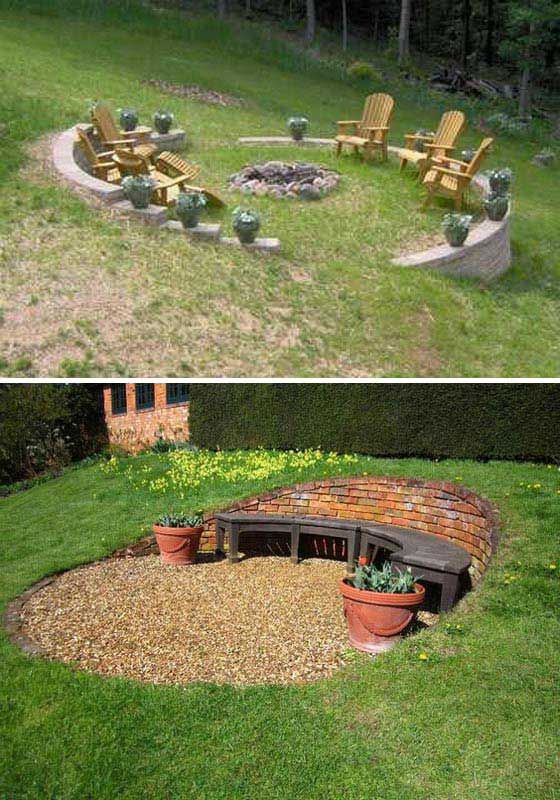
Terracing and creating multiple levels are effective ways to manage a sloping backyard, providing flat areas for various activities while reducing erosion and maintaining stability.


Key considerations for terracing include determining the height and number of levels based on your backyard size, desired functions, and any building constraints. Retaining walls, constructed from materials like stone, wood, or composite, can help create distinct zones and control soil movement.
Canyon-Style Terraces
Inspired by the natural beauty of canyons, this design employs deep, stepped terraces connected by winding paths or stone stairs. Each level offers ample space for different activities, like dining on one and relaxation on another.


Consider planting cascading or spillover plants at the edge of upper terraces to create a lush, verdant waterfall effect as they flow down to the lower levels. This visually anchors the space and softens the hard lines of the retaining walls.
Staggered Levels and Tiers
For a more casual, natural look, opt for staggered levels with gentle transitions between them. This approach minimizes the need for formal retaining walls, allowing the landscape toBlend seamlessly with its surroundings.
Create interest by combining materials like wood, stone, or gravel for pathways and patios, and shape each level to promote movement through the space. Incorporate built-in seating or benches along the edges to encourage pause and reflection.


Selecting and Positioning Plants for Drama and Interest
Choosing the right plants can significantly enhance your sloped backyard's appeal, while also contributing to its stability. Consider the varied条件under which plants will grow, from sunny exposed areas to shady, protected niches, and select plants that thrive in diverse settings.
Opt for a mix of evergreens, deciduous trees and shrubs, and perennials or annuals to ensure year-round color and texture. Additionally, select plants that excel in erosion control and soil stabilization, such as native, root systems, and grasses.
Featured Plants for Sloped Backyards
Some notable plants that excel in sloped settings include:




- Ferns, like Polystichum and Dryopteris, appreciate partial shade and thrive in moist, well-draining soil.
- Ornamental Grasses, such as Carex, Calamagrostis, and Miscanthus, provide texture, movement, and screening.
- Vines, like Jasmine, Wisteria, and Clematis, can soften retaining walls and add visual interest with colorful blooms.
Creative Planting Arrangements
Maximize plant impact by grouping them in odd-numbered clusters and varying their heights and forms. Place taller plants at the back and shorter ones at the front for a dramatic, layered effect.
Create focal points by strategically placing specimen plants or small trees atop gentle mounds or raised platforms. This approach draws the eye in and emphasizes the dramatic effect of your sloped setting.
Embrace the unique challenges and opportunities that your sloped backyard presents, and you'll soon be basking in the pride and pleasure of a beautifully designed, functional, and engaging outdoor space. Happy landscaping!
Related Articles
Creative Backyard Slope Design Ideas: Transform Your Sloping Yard
The beauty of a backyard is undeniably enhanced when it's a canvas of lush greenery, vibrant colors, and thoughtful landscaping - but what if your backyard...
Transform Your Slope: 15 Stunning Downward Sloped Backyard Ideas
The gentle slope of a backyard, descending from the house towards the garden, can be a challenge to navigate and utilize effectively. However, with the right...
Transform Your Slope: Small Backyard Ideas Before & After
Transforming a small, sloped backyard into a functional and inviting space might seem daunting, but with the right ideas and a touch of creativity, you can...

Maximize Your Outdoors: Creative Design Ideas for Small Backyards
Transforming your small backyard into a welcoming oasis might seem like a daunting task, but with the right design ideas, you can create an inviting and cozy...

15 Creative Ways: Transform Your Space with Unique Wall Design Ideas
In the world of interior design, a captivating wall design can dramatically transform a space, reflecting your unique style and creating a memorable...

25 Creative Ideas to Transform Your Backyard
Transforming your backyard into a personal oasis is an exciting venture that can greatly enhance your home's appeal and your quality of life. With countless...