"Dirty Kitchens in the Philippines: Causes and Solutions"
The Philippines, known for its vibrant culture, stunning beaches, and warm hospitality, also presents unique challenges in maintaining cleanliness, with kitchens being a particular hotspot. Understanding the 'dirty kitchen' scenario here involves a blend of cultural practices, economic conditions, and educational awareness.
Let's delve into the intricacies of this issue, exploring the causes and implications of dirty kitchens in the Philippines, along with potential solutions and best practices for improvement.
Causes of Dirty Kitchens in the Philippines
The root causes of dirty kitchens in the Philippines are multi-layered and interconnected:


Cultural Factors
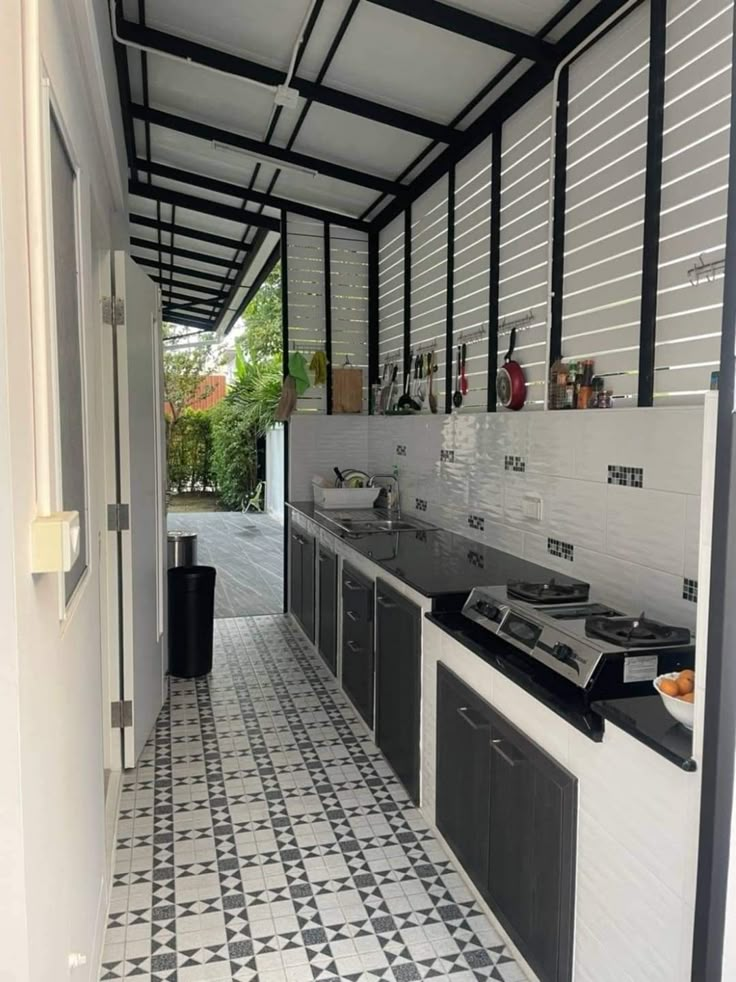
Traditional Philippine homes often have open or semi-open kitchen designs, which can make cleaning more challenging. This layout, combined with strong family ties and socializing around food, can lead to increased clutter and mess.
Moreover, some cultural norms might contribute to this issue. For instance, 'λωara ng pagsasAbbRRin', or the tendency to leave dirty dishes overnight, is a practice some families still follow, believing it saves water and energy.


Economic Conditions
Economic struggles can also play a role. In low-income households, time and resources dedicated to cleaning may be limited, especially when immediate needs like food and shelter take precedence. Additionally, access to modern amenities, such as dishwashers or efficient kitchen ventilation, may be limited.
Consequences and Impact
Dirty kitchens can lead to various problems:
Health Risks
The most significant consequence is health risks. Unsanitary kitchens can harbor bacteria and pests, leading to foodborne illnesses, allergies, and other health issues. For instance, a study by the World Health Organization found that unsafe food, often due to poor kitchen hygiene, was a contributing factor in the high prevalence of diarrhea among Filipino children.


Allergens from unwashed or improperly stored food can also exacerbate conditions like asthma and eczema, especially in susceptible individuals.
Fire Risks
Clutter and grease buildup in the kitchen can increase the risk of fire. According to the Bureau of Fire Protection, about 60% of house fires in the country occur in the kitchen, often due to unattended cooking or flammable materials left near heat sources.
Improving Kitchen Cleanliness in the Philippines
Addressing the dirty kitchen problem requires a holistic approach:




Education and Awareness
Raising awareness about the importance of kitchen hygiene is crucial. Schools, community centers, and even social media platforms can play a role in disseminating accurate information and best practices.
For instance, teaching children about proper food handling, storage, and kitchen cleanliness can help instill lifelong habits. Additionally, debunking myths like 'law ng pagsas CaldRible' and promoting regular kitchen cleaning can go a long way.
Policy Interventions
Government agencies like the Departments of Health, Interior and Local Government, and Trade and Industry can collaborate to implement policies that promote kitchen cleanliness. These could include sanitation regulations, subsidized access to modern kitchen appliances, and hygiene-focused public awareness campaigns.
Best Practices for Cleaning and Maintaining a Clean Kitchen
Here are some practical tips that Filipinos can adopt to keep their kitchens clean:
Regular Cleaning Routine
Establishing a daily cleaning routine, including wiping down surfaces, sweeping the floor, and doing the dishes, can help prevent the buildup of grime and clutter. Setting clear expectations for each family member can also encourage collective responsibility.
Proper Food Storage
Storing food properly in airtight containers, refrigerating perishables promptly, and keeping pantry supplies organized can help reduce clutter, pests, and waste. Additionally, using designated spaces for specific items can streamline kitchen workflow and maintain order.
While addressing the dirty kitchen issue in the Philippines requires collective effort, implementing these best practices and advocating for policy changes can make a significant difference. It's not just about cleanliness; it's about creating healthier, safer, and more efficient living spaces for Filipinos.
Related Articles

Small Outdoor Dirty Kitchen Design Philippines
Nestled between lush landscapes and vibrant seas, the Philippines offers an ideal setting for outdoor living, with countless homes embracing the beauty of...

Design Your Dream Outdoor Kitchen: Custom Solutions in Perth
Transform your outdoor space into a perfect entertaining zone with custom outdoor kitchens in Perth. Perth's Mediterranean climate is ideal for alfresco...
Small Outdoor Kitchens Philippines: Build Your Ultimate Backyard Oasis
Embracing the tropical climate of the Philippines, outdoor living has become an integral part of the local lifestyle. Among the many outdoor enhancements, a...

Dirty Kitchen Color Ideas Philippines
In the dynamic world of interior design, one trend that's gaining traction worldwide, including in the Philippines, is the embrace of non-traditional color...

Outdoor Budget-Friendly Dirty Kitchen Design Ideas, Philippines
Embarking on an exciting outdoor living project in the Philippines? An outdoor dirty kitchen might just be what your backyard needs to elevate your alfresco...
Dirty Kitchen Standards: Sizing in Meters for Filipino Homes
The kitchen, often referred to as the heart of the home, plays a central role in modern living. Its size and design significantly impact functionality...