Diy Landscape Design for Beginners
Embarking on a DIY landscape design journey can be an exciting and rewarding experience. Whether you're aiming to create a lush garden, a functional outdoor living space, or simply want to enhance your home's curb appeal, a well-designed landscape can significantly increase the value and enjoyment of your property. By taking the time to learn and apply a few basic principles, even beginner landscape designers can create stunning and personalized outdoor spaces.
Before we dive into the design process, let's address two common concerns: lack of experience and budget constraints. Remember, everyone starts as a beginner, and you don't need a degree in landscape architecture to achieve great results. Furthermore, landscaping can be surprisingly budget-friendly, as there are numerous low-cost DIY techniques and affordable plant and material options. So, let's embrace this challenge and transform your outdoor space into your own personal retreat.
Getting Started with DIY Landscape Design
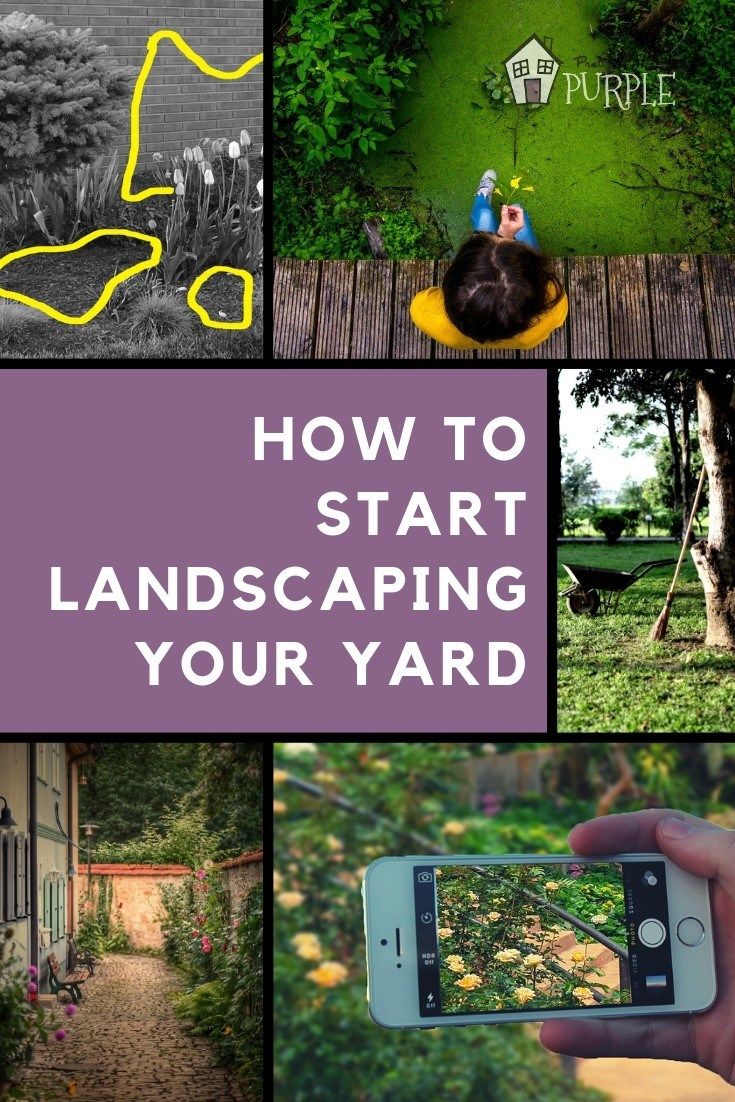
As a beginner, it's essential to approach landscape design systematically. Start by assessing your property's unique features, such as sunlight exposure, soil quality, and existing structures. Understanding your space's strengths and weaknesses will help you make informed design decisions.


Next, define your design goals and priorities. Consider functionality, aesthetics, and the time and resources you're willing to invest in maintaining your landscape. By setting specific, attainable objectives, you'll create a vision that guides your design process and helps you stay focused.
Research and Inspiration
Knowledge is power when it comes to landscape design. Before you break ground, spend time researching plants, materials, and design principles. Books, magazines, websites, and social media platforms like Pinterest and Instagram are invaluable resources for learning, gathering ideas, and getting inspired. Create a mood board or scrapbook to document your findings and visualize your design ideas.


Attend local workshops, visit botanic gardens, and explore neighborhoods with impressive landscapes. These real-world experiences and observations will enrich your design knowledge and help you make better-informed decisions for your outdoor space.
Creating a Design Plan
Once you've gathered inspiration and information, it's time to create a design plan. Sketch out your ideas to scale, using graph paper or design software like SketchUp or Google Drawings. Include elements such as walkways, patios, garden beds, and structures like fences or retaining walls. Consider both functionality and aesthetics, ensuring that your design addresses your priorities and inspirations.
For accuracy and clarity, label your sketch with plant names, material types, and dimensions. This will help you stay organized as you shop for supplies and determine your budget. Don't worry about perfecting your drafting skills; the goal is to create a guiding document that helps you navigate your project from start to finish.




Designing with Nature in Mind
Sustainable landscaping practices not only preserve the environment but also benefit your wallet and outdoor experience. By incorporating eco-friendly principles into your design, you'll create a beautiful, resilient, and low-maintenance landscape.
From native plants to rainwater harvesting, there are numerous ways to integrate sustainability into your design. Look for opportunities to improve soil health, reduce water consumption, and minimize synthetic pesticide use. Not only will these practices contribute to a more harmonious outdoor space, but they'll also help you qualify for eco-friendly rebates and incentives offered by local governments and utility companies.
Choosing the Right Plants
Selecting plants that thrive in your climate and soil conditions is essential for creating a successful, low-maintenance landscape. Focus on native and adaptive plants, which have evolved to tolerate your region's environmental conditions. Not only are these plants hardy and drought-tolerant, but they also support local wildlife and contribute to biodiversity.


When choosing plants, consider their mature size, growth habits, and bloom times. Group plants with similar water, sunlight, and soil needs together to create cohesive, low-maintenance garden beds. Don't forget to include a mix of evergreens, deciduous plants, and seasonal flowers to ensure year-round interest and color.
Implementing Water-Saving Strategies
Given that outdoor water use accounts for a significant portion of residential water consumption, implementing water-saving strategies is crucial for conserving resources and reducing utility bills. Begin by optimizing your irrigation system, ensuring that water reaches your plants efficiently and without waste.
Incorporate water-saving techniques like drip irrigation, which delivers water directly to plant roots, minimizing evaporation and promoting healthier growth. Create rain gardens or bioswales to capture and filter stormwater, reducing runoff and replenishing groundwater supplies. Lastly, group plants with similar water needs together to create distinct watering zones, further conserving water and simplifying maintenance tasks.
As you embark on your DIY landscape design journey, remember that creating a beautiful and functional outdoor space is a cumulative process. Embrace the learning experience, be patient, and celebrate your progress along the way. With time, practice, and a bit of creativity, you'll transform your property into a personalized oasis that not only enhances your home's value but also brings you joy and fulfillment for years to come. So grab your notebook, lace up your gardening boots, and let the transformation begin!"
Related Articles
Mastering Landscape Design: Beginner's Tips
Embarking on your first landscape design project can be both exciting and daunting. With a bit of knowledge and some strategic planning, you can transform your...

Diy Garden Paths: Landscape Design Ideas to Enhance Your Outdoor Space
Transforming your garden into a stylish and functional space can be a rewarding DIY project. One of the most inviting elements you can add is a charming garden...

Mastering Landscape Design: Size Matters
When it comes to transforming outdoor spaces into inviting, functional havens, the size of your landscape plays a pivotal role. Understanding how to work with...

"Outdoor Landscape AI Design: Revolutionize Your Yard"
The transformative power of AI is not confined to the digital landscape; it's now redefining garden design, too. Welcome to the future of outdoor spaces...

Affordable Landscape Design: Cheap Ideas & Tips
Creating a beautiful and functional outdoor space doesn't have to break the bank. Discovering the cheapest landscape design ideas can help you transform your...

Small Resort Landscape Design Ideas
Transforming a small resort into an inviting, relaxing oasis doesn't have to break the bank. With clever landscape design ideas and a touch of creativity, you...