Diy Sloped Backyard Ideas: Maximize Your Space
Transforming a sloped backyard into a functional and aesthetically pleasing space can seem daunting, but with the right approach, it can become a beautiful oasis. DIY sloped backyard projects offer a unique opportunity to create a truly one-of-a-kind outdoor living area. Let's explore how you can turn your sloping backyard into a retreat you'll love spending time in.
Before you dive into your DIY sloped backyard project, it's crucial to assess the lay of the land. Understand the degree and direction of the slope, as this will determine the best approach for your project. A gentle slope may only require leveling a small area for a patio, while a steeper slope could necessitate terracing or retaining walls.
Understanding Your Slope: Assessment and Planning
The first step in any DIY sloped backyard project is to understand your slope. Grab a tape measure and a rope or ribbon, then measure the vertical drop and horizontal distance across the slope. This will give you a crucial ratio, known as the slope percentage, which helps you determine the best course of action.


Once you've assessed your slope, sketch out a basic plan. Consider the natural flow of the land and how you want to use the space. Will you be creating different levels or terraces? Where will you place patios, pathways, or garden beds? This initial planning stage will guide your entire project.
Slope Percentage and Its Impact on Your Project
Slope percentage plays a significant role in determining the feasibility and complexity of your DIY sloped backyard project. A slope of less than 20% (0.9m vertical drop for every 4.5m horizontal distance) is considered gentle and can typically be managed with minimal changes. Steeper slopes may require more extensive engineering solutions, such as retaining walls or terracing.


Remember, the slope percentage isn't the only factor to consider. The composition of the soil, the presence of any existing structures, and regional building codes can also impact your project. Always check with local authorities and hire professionals if you're unsure about any aspect of your project.
Natural Features: Working with What You Have
One of the joys of a DIY sloped backyard project is uncovering and incorporating natural features into your design. This could be as dramatic as working around a large boulder or as subtle as planting native, drought-tolerant vegetation in a sunny spot.
Natural features can add character to your space and help it blend seamlessly with the surrounding environment. However, they can also present challenges. Large rocks may need to be moved or stabilized, and certain plants might need special care in a sloped setting. Consider these factors as you plan and design your space.


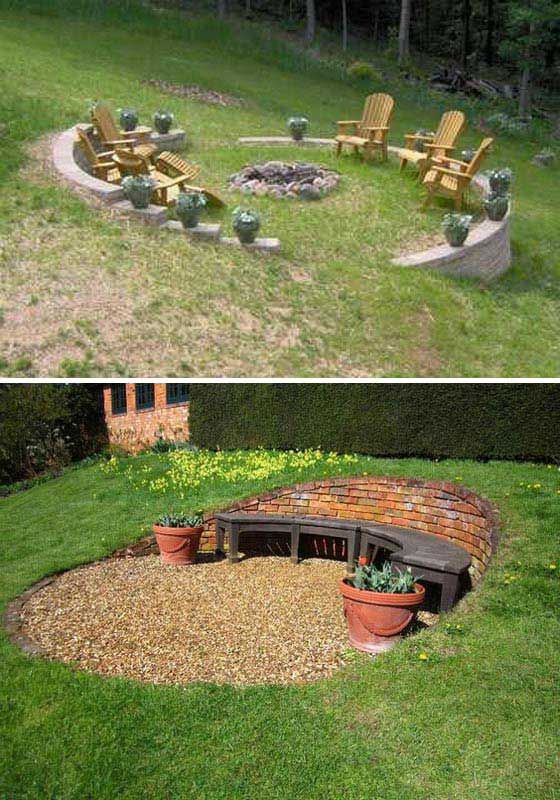


Grading and Controlling Your Slope: Options for a DIY Sloped Backyard
Once you've assessed your slope and developed a basic plan, it's time to look at your grading options. The goal of grading is to create a stable, usable surface by redistributing earth and controlling erosion. Here are two common methods for a DIY sloped backyard:
1. Laser Grading: This method involves leveling the ground using a laser-guided tool to create a flat or gently sloping surface. Laser grading is ideal for small areas and gentle slopes, but it may not be suitable for steeper slopes or larger terraces.
Benefits and Limitations of Laser Grading
Laser grading is efficient, accurate, and can create a pristine, smooth finish. It's also relatively inexpensive, as it doesn't require heavy machinery or significant amounts of materials. However, it may not be the best choice for larger projects or slopes with significant height differences.


Always follow safety guidelines when using power tools and wear appropriate personal protective equipment (PPE). If you're unsure about handling the equipment, consider hiring a professional or asking a friend with experience.
Machine Grading: When to Call in the Pros
For steeper slopes or larger projects, you might need to consider machine grading. This method uses heavy equipment, such as bulldozers and graders, to redistribute earth and create flat or gently sloping surfaces. Machine grading can handle larger areas and significant height differences, making it ideal for terraced gardens or large retaining walls.
While machine grading can get the job done quickly and efficiently, it's also much more expensive than laser grading. It's also riskier, as it involves heavy machinery and the potential for soil compaction. Whenever you're using heavy machinery, ensure you follow safety guidelines and consult with professionals if you're unsure about any aspect of the work.
Creating Terraced Gardens: A DIY Sloped Backyard Solution
Terracing is an excellent solution for steep, sloped backyards. By creating retaining walls and dividing your yard into levels, you can create a series of flat or gently sloping platforms for gardening, seating, or even a small pond.
Terracing not only helps control erosion but also adds interest and dimension to your landscape. Consider incorporating a mix of materials, such as stone, wood, or brick, to create a rich, textured look.
Designing Terraces: Size, Spacing, and Stability
When designing your terraces, consider the size and spacing of each level. The traditional rule of thumb is to limit the height of retaining walls to no more than 4 feet (1.2m) without additional reinforcement. However, you can create shorter, stepped terraces to add visual interest and provide safe access to each level.
Stability is another crucial factor in terrace design. Ensure that each level has a stable, flat base, and that retaining walls are well-constructed and properly reinforced. Consult with a professional if you're unsure about the design or construction of your terraces.
Creativity with Terraces: Mix and Match for a Standout Design
Terracing doesn't have to mean square, flat platforms. Consider creating curved or angular terraces to add visual interest and maximize your use of space. You can also mix and match levels, creating a stepped or tiered effect that partially reveals each terrace from above.
Don't be afraid to think outside the box when it comes to incorporating plants into your terraces. Utilize the vertical space by installing a green wall or incorporating planting pockets into your retaining walls. Or, create a living roof by planting a mix of low-growing, drought-tolerant vegetation on top of your terraces.
Patios, Pathways, and Hardscaping: Transform Your Sloped Backyard into an Inviting Oasis
Once you've addressed the slope and created levels in your backyard, it's time to add the finishing touches. Hardscaping elements, such as patios, pathways, and seating areas, transform your space into a functional, inviting oasis.
Consider your backyard's intended use as you plan your hardscaping. If you enjoy outdoor dining, a large patio with a built-in fire pit might be top on your list. If you prefer a serene space for relaxation, a smaller patio nestled within a garden could be just the ticket.
Patios: Materials, Size, and Positioning
When designing your patio, consider the materials you want to use. Popular options include concrete, pavers, and natural stone. Each material offers a unique look and feel, so choose one that complements your home's architecture and your personal style.
Patio size depends on your needs and the available space. A cozy, 10x10-foot (3x3m) patio is perfect for small gatherings, while a larger, 20x20-foot (6x6m) patio can accommodate dining tables, seating areas, and even a small garden.
Positioning your patio is also crucial. Place it near your home for easy access to indoor amenities, or nestle it within your garden for a more secluded feel. Consider the path of the sun, as well, and position your patio accordingly to optimize natural light and heat.
Pathways: Connecting Your Space and Enhancing Curb Appeal
Pathways connect different areas of your backyard, enhancing usability and visual appeal. Consider the materials and design of your patio as you plan your pathways, ensuring a cohesive look throughout your landscape.
Steppers, narrow paths of pavers or stones set in gravel, create a casual, permeable pathway that's easy to install and maintain. Broader pathways paved with bricks, flagstone, or other materials create a more substantial, permanent look.
Even the smallest sloped backyard can benefit from a pathway. A narrow, winding path can add visual interest, leading the eye and drawing you deeper into your space. Incorporate stairs or short flights of steps to connect different levels and navigate changes in elevation.
Transforming a sloped backyard into a functional, inviting oasis takes time, effort, and careful planning. But with the right approach, you can create a space that's uniquely yours. Embrace the natural features of your land, and let them guide your design. And as you dig in, remember that every shovel of earth and stone brings you one step closer to your dream backyard.
Related Articles

Sloped Backyard Deck Ideas: Maximize Your Space
Transforming a sloped backyard into a functional and inviting space can be a challenging task, but with the right strategies, it can be turned into an inviting...

Maximize Your Space: Big Flat Backyard Ideas
Transforming a large, flat backyard into an inviting and functional space can be both exciting and intimidating, given its sheer size. But don't let its...

Maximize Your Space: 15+ genius backyard money-making ideas
Transforming your backyard into a yawn-free zone that generates additional income can be an exciting venture. With a little creativity and effort, your outdoor...

Uphill Backyard Design: Maximize Your Sloped Space
Transforming a sloping backyard into a beautiful, functional space can seem daunting, but with the right uphill backyard design, you can create a stunning...

Maximize Minimal Space: 15 Ingenious Small Sloped Backyard Ideas
Transforming a small, sloped backyard into a functional and enjoyable space doesn't have to be an uphill battle. With the right strategies and a little bit of...

Backyard Sports Court Ideas: Transform Your Space
Transform your backyard into a playground of endless possibilities with these inspiring backyard sports court ideas. Whether you're aiming to keep the little...