Sloped Yard Landscaping Ideas: Transform Your Slope
Tired of navigating a bumpy terrain every time you step into your yard? Consider transforming your sloped yard into a functional and visually appealing space with these DIY solutions. Not only will you enhance your outdoor living experience, but you'll also boost your home's curb appeal and potentially increase its value.
This comprehensive guide will walk you through the process of leveling and landscaping a sloped yard, providing practical tips and strategies that you can apply to your unique outdoor space. From calculating gradients to selecting the right plants, we've got you covered. So, let's roll up our sleeves and get started!
Understanding and Planning Your Sloped Yard Transformation
The first step in tackling a sloped yard is to understand your terrain. Assess the degree of slope and identify any problem areas, such as erosion or drainage issues. Armed with this information, you'll be better equipped to create an effective plan.


Before making any drastic changes, research and gather ideas. Look at photographs, visit local gardens, or consult with a professional landscape designer. Consider your lifestyle and how you want to use your space – entertaining, gardening, or simply relaxing. With a clear vision in mind, you can begin planning your DIY sloped yard project.
Calculating the Slope
To level your yard, you'll need to calculate the slope to determine how much soil you'll need to move. The formula to calculate slope percentage is (rise / run) x 100. The rise is the change in elevation between two points, while the run is the horizontal distance between those points.


Ideally, aim for a gentle slope of 2-3 inches for every 100 linear feet. This gradient allows for proper water drainage without sacrificing aesthetics or functionality. However, take into account any existing structures, like patios or walkways, and adjust your slope calculations accordingly.
Grading Your Yard: What Are Your Options?
Once you've calculated the slope and have a solid plan, it's time to prepare your yard for transformation. Grading your yard involves moving soil from higher areas to lower points to create a more even surface. There are several DIY grading methods to consider:
- Hand-grading: Ideal for small-scale projects, hand-grading involves manually moving soil using shovels, rakes, and wheelbarrows.
- Lawn-grading: This method involves applying topsoil to fill in low spots and then seeding to encourage grass growth.
- Machine-grading: Renting or hiring heavy equipment, such as a bobcat or a skid-steer loader, can efficiently move large quantities of soil for steep slopes or extensive projects.
Choose the best method based on your yard's size, slope, and your budget and physical capabilities. Keep in mind that some projects may require a combination of methods.


Retaining Walls: Controlling Erosion and Creating Defined Spaces
Retaining walls serve a crucial purpose in sloped yards, preventing erosion and controlling soil movement. They also help create defined spaces, allowing you to divide your yard into functional zones. When designed and constructed correctly, retaining walls can enhance the beauty and functionality of your outdoor space.
Before building a retaining wall, consult local building codes and obtain any necessary permits. Consider the wall's height, as structures taller than 4 feet may require additional reinforcement and engineering oversight. Choose a suitable material, such as concrete blocks, natural stone, or treated wood, and ensure the wall is properly anchored and backfilled to maintain stability.
Designing Retaining Walls with Style
Retaining walls do not have to be purely functional – they can also serve as attractive focal points. Incorporate landscaping elements, such as plants, lighting, or integrated seating, to create an inviting and visually appealing space. Consider incorporating curves and variations in height to add visual interest and blur the line between structure and nature.


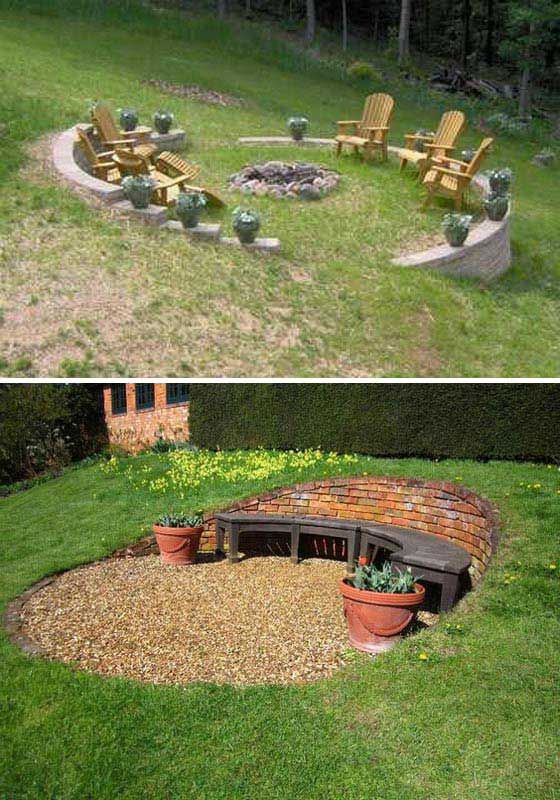


For a contemporary look, opt for clean lines and minimalist design. To add warmth and texture, consider using natural materials, like stone or reclaimed wood. Whatever your design aesthetic, ensure that your retaining wall is both structurally sound and cohesive with your overall landscape design.
Planting on a Slope: Strategies for Success
Sloped yards present unique planting challenges, as water and nutrients can quickly runoff, creating conditions that are less than ideal for many plants. However, with careful planning and the right strategies, you can create a thriving, beautiful landscape on your sloped terrain.
1. **Choose the right plants**: Select plants that are well-suited to your climate and soil conditions. Consider their mature size and growth habits to ensure they complement your sloped yard design. Opt for low-maintenance, drought-tolerant plants to minimize ongoing care.
2. **Install erosion barriers**: Use landscape fabric or erosion-control blankets to stabilize the soil and prevent seed washout. This allows you to establish new plantings while controlling soil loss and sediment runoff.
3. **Mulch**: Apply a 2-3 inch layer of organic mulch around your plants to retain soil moisture, suppress weeds, and regulate soil temperature.
4. **Plant in clusters**: Group plants together to create visual interest and encourage naturalized growth. This technique also helps to stabilize the soil and reduce erosion.
Creating Functional Spaces: Pathways, Patios, and More
Transforming a sloped yard into a functional and inviting outdoor living space requires careful planning and the strategic use of hardscaping elements. By incorporating pathways, patios, and other features, you can connect various areas of your yard and create defined, usable spaces.
**Pathways:** Install stepped or terraced pathways to navigate sloped terrain safely and efficiently. Use sturdy, non-slip materials, such as poured concrete, pavers, or natural stone, to minimize tripping hazards. Include adequate lighting to ensure visibility at night.
**Patios:** Create comfortable outdoor living spaces with well-designed patios. Situate patios on level or graded areas, using retaining walls to raise their elevation if necessary. Incorporate built-in seating, fire pits, or water features to enhance functionality and visual appeal.
Embracing a sloped yard's unique characteristics and transforming it into a functional, beautiful outdoor space can be a rewarding challenge. By understanding and planning for your terrain's specific needs, you can create an inviting space that serves both your practical and esthetic desires. So, grab your tools and get ready to enhance your home's curb appeal and create a DIY sloped yard masterpiece!
Related Articles

"Transform Your Sloped Front Yard: 20 Small, Chic Landscaping Ideas"
Transforming a small, sloped front yard into a welcoming and functional space is a challenge that many homeowners face. However, the right landscaping ideas...

Transform Your Slope: 25+ Queensland-Proof Landscaping Ideas for Sloping Front Yards
Whether you have a steep slope or a gentle incline, transforming your sloping front yard into a stunning landscape in Australia can be an exciting and...

Transform Your Hill: 15 Stunning Front Yard Landscaping Ideas
Transforming a hilly front yard into a captivating landscape is a thrilling challenge. With the right landscaping ideas, the slope can become a stunning...

Transform Your Yard: Top Landscaping Ideas for a Dream Backyard Garden
Transform your backyard into a lush oasis with these captivating landscaping ideas. By thoughtfully combining plants, hardscapes, and outdoor features, you can...

Transform Your Entrance: Inspiring Front Yard Landscaping Ideas with Big Rocks
Transforming your front yard into a stunning showcase starts with a unique element that catches the eye. Big rocks in your landscape design can create a bold...

Transform Your Yard: Landscaping Ideas for Large Rocks
Having large rocks in your yard can be a landscaping challenge. However, instead of viewing them as mere obstacles, consider them as unique opportunities to...