Edwardian Era Rooms: Timeless Designs & Historical Charm
The Edwardian era, spanning from 1901 to 1910, was a time of opulence, elegance, and technological advancements. This period, named after King Edward VII, saw significant developments in interior design, reflected in the grandeur and refinement of Edwardian era rooms. Let's delve into the fascinating world of Edwardian interiors, their key characteristics, and the stories they tell.
The Edwardian era marked a transitional phase between the Victorian and Modern periods. Rooms during this time showcased a blend of classical and Art Nouveau styles, resulting in spaces that were both luxurious and comfortable. The use of rich materials, intricate detailing, and cutting-edge technology made Edwardian rooms truly unique.
The Edwardian Kitchen
The Edwardian kitchen was the heart of the home, both literally and figuratively. This was the age of electric lighting and associated appliances, which significantly transformed kitchen design. Kitchens typically featured large, six-burner stoves, over which hung heavy, cast-iron pot racks.


Polished pine and oak cabinetry, often adorned with carvings and inlays, lined the walls. Countertops were usually made of marble or slate, reflecting the focus on hygiene and cleanliness. The electric light, often covered in ornate shades, hung from the ceiling, providing ample illumination for the often large and bustling workspace.
The Pantry
The pantry was a crucial part of the Edwardian kitchen. It was here that perishable goods were stored, and where servants would prepare the family's dishes. Pantries were small, windowless rooms, often with cool, tiled floors and built-in shelves for storing dry goods.


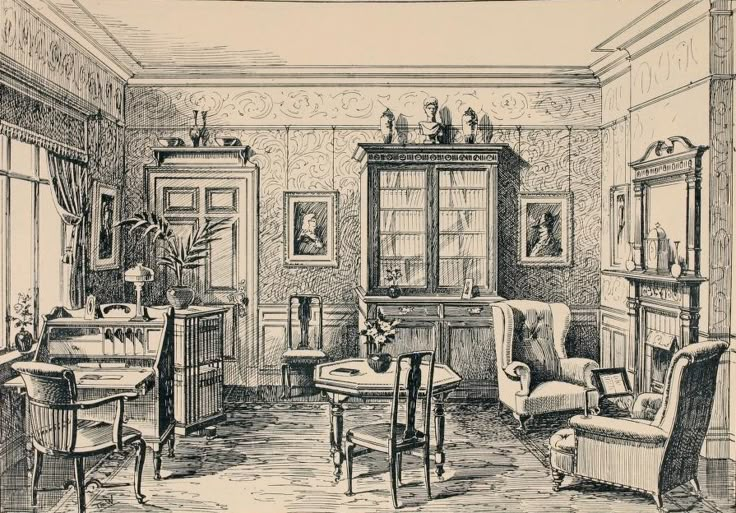
These spaces were well-ventilated, with a direct flue to the stove or chimney. The use of high-qualitymaterials and efficient design in the pantry reflected the Edwardian focus on hygiene and cleanliness, which was particularly important given the increased prevalence of disease during this period.
The Dining Room
The dining room was the true showcase of Edwardian opulence. It was the setting for lavish banquets, intimate dinners, and elaborate social gatherings. The space was often dominated by a large, heavy dining table, usually surrounded by high-backed, upholstered chairs.
The walls were typically adorned with expansive artwork, intricate wallpaper, or lush tapestries. A grand fireplace, surrounded by tiled or marble hearth, provided heat and added to the room's grandeur. Decorative touches, such as silk curtains, ornate sideboards, and sophisticated tableware, completed the room's elegant ambiance.


Edwardian Bedrooms and Bathrooms
Edwardian bedrooms were designed for comfort and relaxation, featuring soft fabrics, plush upholstery, and warm, inviting color palettes. Large, four-poster beds, draped in rich fabrics, were a common sight. Wall-to-wall carpeting, a new and extravagant feature, added to the room's cozy atmosphere.
Bathrooms, which had evolved significantly during the Victorian and Edwardian eras, became more private during this period. The claw-foot bathtub, porcelain sink, and pedestal-mounted toilet were now common fixtures. Heated towel rails were commonly installed, reflecting the emphasis on health, hygiene, and comfort.
The Dressing Room
The dressing room, a carryover from the Victorian era, was an essential part of the master bedroom in Edwardian homes. This space served as a private retreat for the lady of the house, where she could change, store her clothes, and socialize with female visitors.


Dressing rooms were typically decorated in soft pastel colors, with delicately patterned wallpaper, and ornamented mirrors. The room might also feature a chaise longue, a tea table, and a small writing desk, reflecting the Edwardian desire for a space that was both functional and elegant.
The Nursery
The nursery, too, underwent changes during the Edwardian period. While Victorian nurseries were often dark and somber spaces, Edwardian nurseries were lighter, more cheerful rooms, filled with toys, games, and educational tools.
Edwardian nurseries often featured transom windows, skylights, or high windows to maximize natural light. The colors chosen were softer, with a focus on blues, greens, and pinks. Toys, previously considered frivolous, were now seen as a means of educating and stimulating children, reflecting the growing appreciation for childhood and play during this period.
The Edwardian era saw remarkable progress in interior design, with rooms that were both grand and intimate, luxurious and comfortable. These rooms tell a story of opulence and innovation, advancement and tradition, making them a fascinating subject for historians and designers alike. In exploring the world of Edwardian era rooms, we gain insight into the societal changes and technological advancements that defined this dynamic era.
Related Articles

Historical Style Living Room Design: Timeless Charm Meets Modern Comfort
Step back in time and immerse yourself in the grandeur and charm of eras gone by with a historical style living room. Combining the elegant aesthetics of the...

Modern Living Rooms 2023: Trends, Ideas & Designs
In the ever-evolving world of home design, the living room remains the heart of the hogar. It's where we unwind, connect, and create memories. As we step into...

Modernize Your Space: Innovative Interior Roof Designs for Living Rooms
Step into any modern home and you're likely to find a living room that's not just a place to relax and unwind, but a space that's as impressive above as it is...

Revolutionize Your Space: Modern Wall Mirror Designs for Dining & Living Rooms
Transforming your living room into a sophisticated space is an exciting task, and one of the best ways to achieve this is by incorporating a modern wall...

Master Small Spaces: 20 Inspiring Living Room Designs
Embracing a cozy yet spacious feel in your living room, especially when contending with limited square footage, is an art. Fear not, for great design triumphs...

Teak Table Collections: Rooms to Go's Timeless Pieces
Looking to elevate your home's aesthetic with a sophisticated yet functional piece? Look no further than the Rooms To Go Teak Table Collection. Meticulously...