EYFS Outdoor Checklist: Essentials for Safe & Fun Play
Embarking on an outdoor adventure with young children isn't just fun; it's also an opportune moment for learning and growth. The Early Years Foundation Stage (EYFS) curriculum recognizes this, incorporating outdoor activities to foster child development. To ensure safety, fun, and educational opportunities, consider using an EYFS outdoor checklist. This article will detail the benefits, key components, and practical tips for creating and using an EYFS outdoor checklist.
Before venturing outdoors, planning is essential. An EYFS outdoor checklist helps teachers and caregivers ensure that learning experiences are purposeful, child-led, and aligned with the EYFS principles. It also supports the key person approach, enabling adults to track each child's progress and meet their unique needs.
Key Benefits of an EYFS Outdoor Checklist
An EYFS outdoor checklist offers numerous benefits for children, educators, and caregivers alike:


Safety First: A well-structured checklist helps identify potential hazards, ensuring a secure and safe learning environment.
Curriculum Alignment: It facilitates planning activities that align with the EYFS curriculum, supporting children's learning and development effectively.


EYFS Areas of Learning
An effective EYFS outdoor checklist covers the seven areas of learning and development:
- Personal, Social, and Emotional Development (PSE)
- Communication and Language (CAL)
- Physical Development (PD)
- Literacy
- Mathematics
- Understanding the World (UW)
- Expressive Arts and Design (EAD)
By incorporating these areas, educators can ensure well-rounded outdoor learning experiences.
Children's Individual Needs
An adaptable EYFS outdoor checklist allows caregivers to accommodate each child's unique needs and interests, making learning enjoyable and engaging.


Creating an EYFS Outdoor Checklist
Creating an EYFS outdoor checklist involves careful consideration of your setting, the children's ages, and available resources:
Assess Your Setting: Evaluate your outdoor space for potential hazards, safe zones, and areas suitable for various activities.
Consider Children's Ages and Abilities: Design activities that cater to the children's developmental stages and capabilities.




Activities and Resources
Include a diverse range of activities that encourage physical, cognitive, social, and emotional development, such as:
- Storytelling and role-play
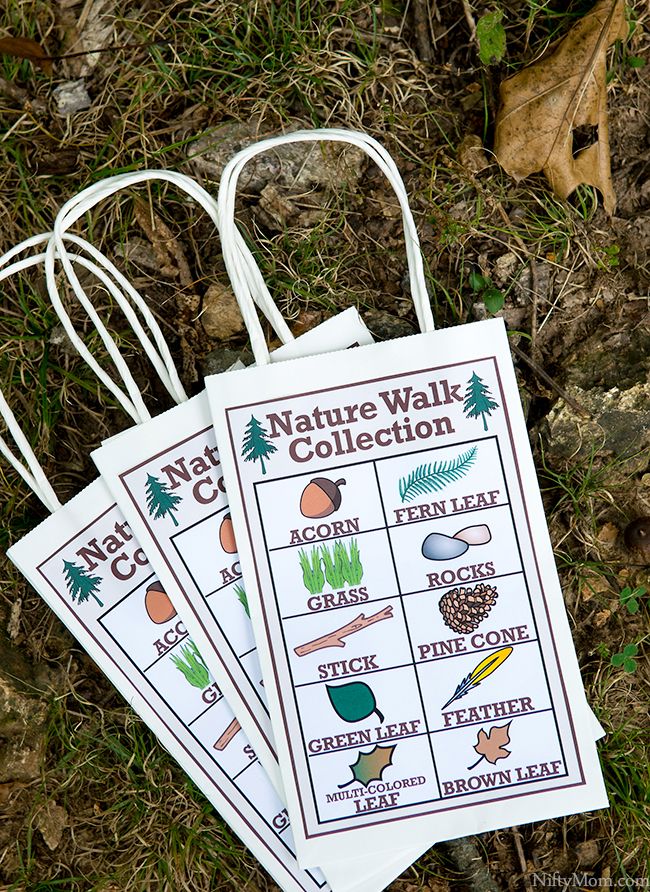
- Nature walks and scavenger hunts
- Digging, planting, and caring for plants
- Building and constructing with natural materials
- Using tools and equipment safely, e.g., magnifying glasses, binoculars, or microscopes
Resources: List necessary resources, such as outdoor equipment, materials for activities, and adult supervision. Don't forget to include first aid kits and other safety essentials.
Regularly review and update your EYFS outdoor checklist to ensure its continued relevance, usefulness, and alignment with the EYFS curriculum and the children's evolving needs.
Creating and using an EYFS outdoor checklist is a proactive way to ensure engaging, meaningful, and safe outdoor learning experiences. Embrace the outdoors, watch your children thrive, and enjoy the learning journey together!
Related Articles

Best Yard Toys for 1-Year-Olds: Fun & Safe Outdoor Play
Discovering the right yard toys for your 1-year-old can be an exciting journey. At this stage, your little one is eager to explore the world, and safe...

Outdoor Water Play Ideas for EYFS
Warm weather and sunny days beckon children outdoors, and what better way to enjoy the fresh air than through water play? Outdoor water play is not only a fun...

EYFS Outdoor Provision Checklist: Ensuring Safety & Fun
Spending quality time outdoors is a vital aspect of Early Years Foundation Stage (EYFS) learning. It enhances children's physical, social, and emotional...

EYFS Outdoor Area Activities: Inspiring Learning Through Play
Outdoor learning spaces are integral to the Early Years Foundation Stage (EYFS), providing children with unique opportunities for growth and development. The...

Outdoor Play Ideas for EYFS
Promoting outdoor play is vital for Early Years Foundation Stage (EYFS) children, fostering physical development, cognitive skills, and emotional well-being...

Outdoor Cooking Checklist: Essentials for Your Next Adventure
The sizzle of a grill, the flicker of a campfire, and the great outdoors - these are the ingredients that make outdoor cooking an experience to savor. Whether...