Building a Stunning Fire Pit on a Slope: A Guide
When it comes to enhancing your outdoor living space, a fire pit slope can be an excellent addition. It not only brings warmth and ambiance but also adds a touch of elegance to your landscape. However, creating the perfect slope for your fire pit involves careful planning and understanding of key factors.
Before we delve into the specifics of creating a fire pit slope, let's briefly discuss the benefits of having a sloped fire pit. Firstly, a slope ensures that heat radiates evenly, providing optimal warmth. Secondly, it adds visual interest, particularly when limestone or other decorative materials are used. Lastly, it can help with drainage, preventing water from collecting in the fire pit.
Understanding Fire Pit Slope Angles
A well-designed fire pit slope isn't just about aesthetics; it's also about safety and functionality. The angle of the slope plays a crucial role in this regard.


Most fire pits have a slope angle between 45 to 60 degrees. This range ensures that the heat is distributed effectively and there's enough space for wood to burn safely. A steeper slope angle can cause the fire to burn too quickly and hotly, while a gentler slope might not provide enough space for proper combustion.
Ideal Slope Angle for Fire Pits
The ideal slope angle for a fire pit is typically around 50 to 55 degrees. This angle allows for a good balance between heat distribution and fuel efficiency. However, the ideal slope can vary depending on the specific design and materials used in your fire pit.


For instance, a fire pit with a deep, wide bowl might require a gentler slope to ensure there's enough space for wood. Conversely, a smaller, shallow fire pit might require a steeper slope to provide sufficient space for a blazing fire.
Safety Considerations for Fire Pit Slopes
The slope of your fire pit isn't just about the angle; it's also about the materials you use. Choose materials that are heat-resistant and non-flammable. Stone, brick, and concrete are popular options due to their durability and safety profiles.
It's also crucial to ensure that the slope angles are consistent. An inconsistent slope can lead to uneven heat distribution, making it difficult to control the fire. Moreover, a lack of consistency can also create safety hazards, such as hot spots where the fire burns too aggressively.


Creating a Sloped Fire Pit
Now that we've discussed the importance of fire pit slope angles let's look at how to create a sloped fire pit. The process involves some basic carpentry and masonry skills, but it's well within the reach of a handy homeowner.
Firstly, you'll need to decide where you want your fire pit and map out its size and shape. Once you've determined these factors, you can begin digging the hole that will serve as the foundation for your fire pit.
Preparing the Slope
Before you start building the walls of your fire pit, you'll need to prepare the slope. This involves digging a shallow hole at the base of where your fire pit will be and filling it with a mix of gravel and sand.


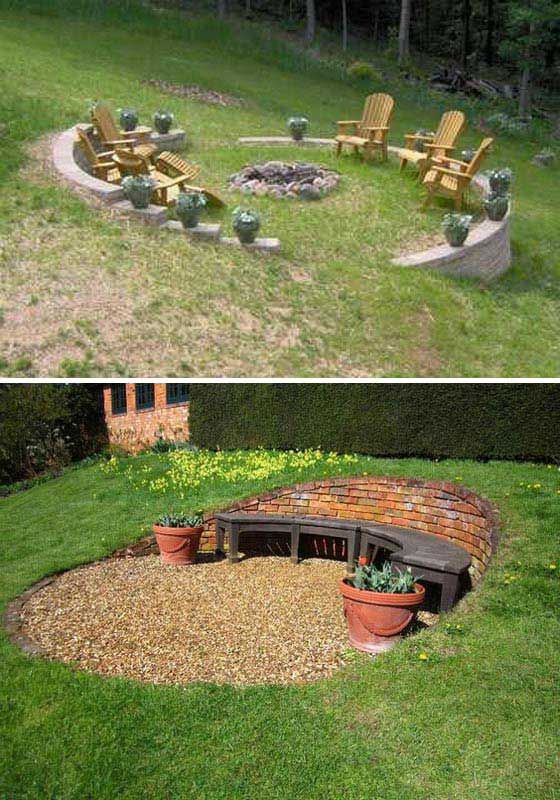


This base provides drainage and prevents the fire pit from shifting over time. Once you've prepared the base, you can begin building up the walls of your fire pit using your chosen materials. As you build up, ensure that the angle of the slope is consistent with your design plans.
Finishing Touches
After you've built up the walls of your fire pit, you'll need to apply a refractory mortar to seal the bricks or stones. This mortar helps to protect the materials from the heat andαι ensures a long lifespan for your fire pit.
Once the mortar has dried, you can add finishing touches like a steel ring or capstone to complete the look of your fire pit. Remember, the key to a successful sloped fire pit is consistency in your slope angle and firmness in your construction.
Creating a fire pit slope is a rewarding project that transforms your outdoor space into a cozy, inviting haven. With the right knowledge and careful planning, you can design and build a fire pit that's both functional and beautiful. So, why not start planning your perfect fire pit slope today?
Related Articles

Best Stones for Building a Fire Pit: Ultimate Guide
Selecting the right stone for your fire pit is crucial for both aesthetic appeal and functionality. The stone you choose will affect your fire pit's longevity...

Legally Building a Fire Pit in Your Yard: A Definitive Guide
Ever found yourself daydreaming about cozy nights under the stars, a warm fire crackling nearby, while you unwind in your own backyard? A fire pit can turn...

Transform Slopes into Stunning Terraced Gardens: A Comprehensive Guide
Embarking on a green thumb journey can often lead us to unique challenges, such as cultivating a garden on a slope. While it may seem daunting at first, with...

fiery Edges: Ultimate Guide to Fire Pit Border Pavers
Imagine transforming your outdoor space into a cozy, inviting sanctuary where memories are made. Fire pit border pavers play an integral role in achieving this...

Propane Fire Pit Setup Guide: Step-by-Step Instructions for Safe Use
Are you considering enhancing your outdoor living space with a propane fire pit? These sleek, low-maintenance alternatives to wood burning pits offer ambiance...

Rust-Defying Fire Pits: Your Guide to Durable Options
Ever browsed the market for a fire pit and found yourself questioning, 'Is there a fire pit that won't rust?'. It's a valid concern, given that metal fire pits...