In Living Color Seasons Ranked
In Living Color, the groundbreaking sketch comedy series that aired from 1990 to 1994, left an indelible mark on television history. Its five seasons are each distinguished by their unique blend of humor, social commentary, and cultural influence. If you're wondering which seasons to dive into first, or maybe you're curious about what made each season stand out, you've come to the right place. Here, we rank and explore the seasons of In Living Color, delving into what made each one distinctive and memorable.
Before we dive into the rankings, it's essential to note that each season of In Living Color brought something unique to the table. The show was a pioneer in giving voices to a diverse range of comedic talents, many of whom went on to become household names. It's also important to remember that rankings are subjective and can vary depending on personal preferences. With that said, let's embark on this comedic journey through the seasons of In Living Color.
Season 1: The Birth of a Comedy Phenomenon
The first season of In Living Color, which aired from 1990 to 1991, blew the doors wide open for truck loads of comedic talent that was just waiting for a place to call home. This season set the bar high, introducing the world to memorable characters like Fire Marshall Bill and Homey the Clown, brought to life by the iconic Jim Carrey.


In Living Color's first season also introduced the world to the incredible potential of up-and-coming comedians like Damon Wayans, Kim Wayans, T'Keyah Crystal Keymah, and David Alan Grier. Their sketch comedy prowess would pave the way for a new era of television humor. The season's audacious humor and fresh perspective on social issues also earned it a significant following and critical acclaim.
Groundbreaking Characters
Season 1 introduced some of the show's most iconic and lasting characters, many of which would go on to become pop culture fixtures. Creator Keenen Ivory Wayans, along with the show's talented cast, breathed life into unforgettable personas that still resonate today. Jim Carrey, for instance, brought an insane energy and physicality to characters like Fire Marshall Bill, a man obsessed with preventing fires by any means necessary, and Homey the Clown, a foul-mouthed, politically incorrect entertainer who would perform deadly stunts.


Other remarkable characters like Antoine Merriweather, a flamboyant, high-fashion designer played by Damon Wayans, added depth to the show's ensemble cast. The sheer variety and creativity of these characterizations illustrated the comedic brilliance at work behind the scenes. These characters not only entertained but also sparked conversations about diversity in media, paving the way for future comedic stars.
Social Commentary and Controversy
In Living Color's first season was not afraid to tackle sensitive subjects head-on, often using humor as a means to critique and provoke thought. Sketches like "Grandmaster B," a send-up of African-American stereotypes, and "Def Jam's Winsome Windows," a spoof on the music industry, demonstrated the show's commitment to social commentary. These sketches, while often controversial, sparked important conversations about race, gender, and media representation.
This early willingness to court controversy would become a hallmark of In Living Color. While some sketches pushed boundaries too far and drew criticism, many viewed the show as a vital voice in national discussions about these issues. Whether stirring debate or generating laughs, the show's first season set a high standard for its successors.


Season 2: Further Exploring the Comedy Maze
With the first season's success under their belt, the creators and cast of In Living Color returned for a second round in 1991-1992, ready to build on the show's momentum. Season 2 upped the ante with even more boundary-pushing sketches, memorable characters, and impressive guest stars. This season solidified the show's status as a comedy powerhouse and introduced some of its most enduring sketches and characters.
Season 2 also saw the migration of the show from NBC to Fox, a move that would prove beneficial for both parties. Fox benefited from the show's growing popularity and cultural cachet, while In Living Color found a home that appreciated and supported its unique brand of irreverent humor.
Iconic Sketches and Characters
Season 2 brought us some of In Living Color's most iconic sketches and characters. One of the standout sketches from this season was "DJ قیمت loses his Voice," a sketch that featured Jim Carrey as a DJ who loses his ability to speak English. The sketch was a hilarious commentary on race, language, and power dynamics, demonstrating the show's continued commitment to exploring complex social issues through comedy.


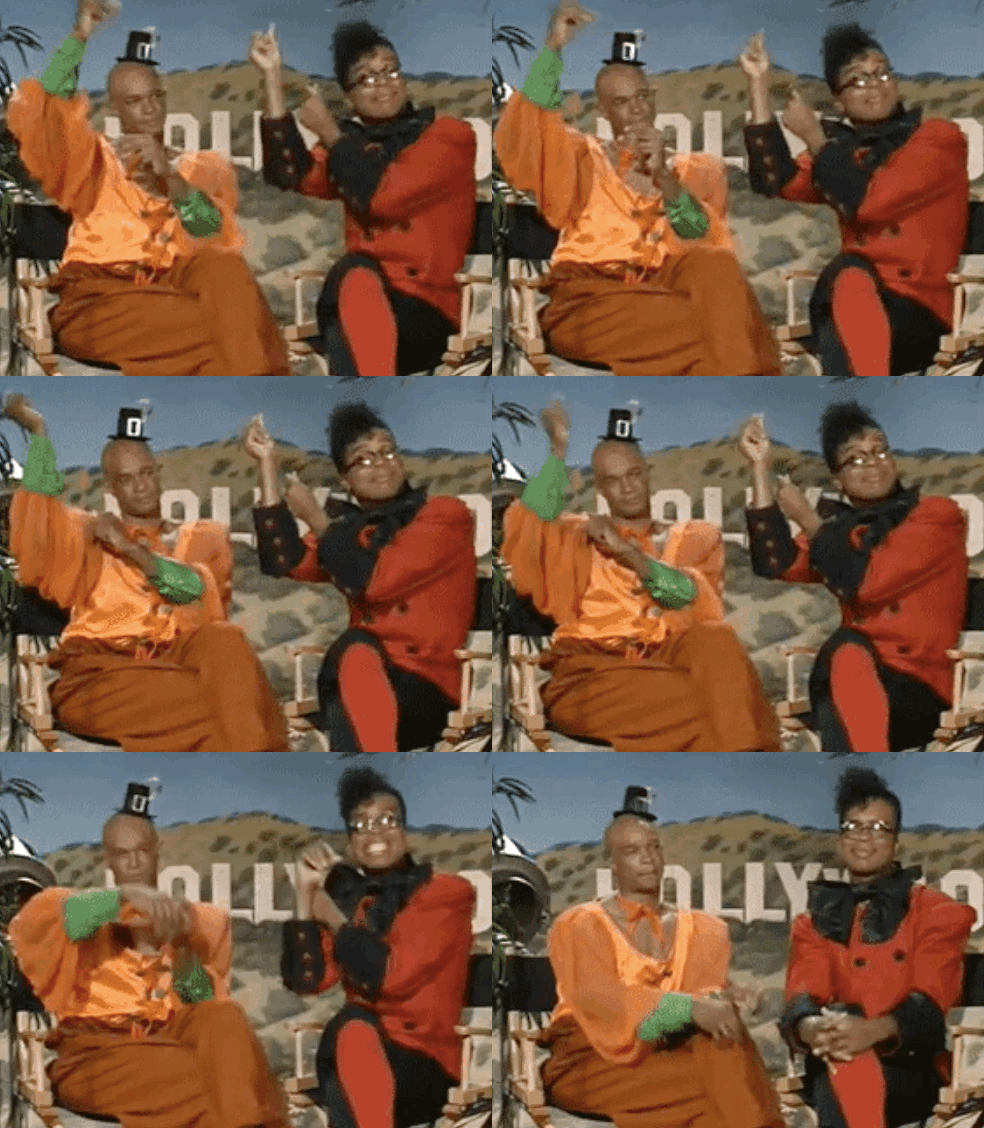


Furthermore, season 2 introduced or further developed beloved characters likeенеhez Reginald Vanidadо, a flamboyantly gay, high-strung, and fastidious television news anchor created by and portrayed by David Alan Grier. The character, a biting parody of perceived effeminacy and gay stereotypes, was ahead of its time in its exploration of LGBTQ+ representation on television. Other popular characters from this season include Up Close & Personal's loudmouthed, obnoxious host Ron Johnson and the misogynistic, womanizing DJ Goodness played by T'Keyah Crystal Keymah.
Guest Stars and Crossovers
Season 2 saw a significant increase in guest stars, many of whom were already established celebrities. In a notable crossover event, the cast of Saturday Night Live guested on an episode, leading to a memorable sketch featuring an SNL cast member's audition for In Living Color. Other notable guest stars during this season included heavyweight boxer Evander Holyfield, R&B singer Patti LaBelle, and actor/rapper Ice-T.
These guest appearances not only added star power to the show but also allowed In Living Color to flex its comedic muscles, proving that it wasn't afraid to Take on an array of targets, from celebrities to political figures. The show's willingness to poke fun at anyone and everyone further cemented its reputation as a bold and fearless comedy force.
Season 3: Expanding the Comedy Universe
Building on the success of the first two seasons, In Living Color returned for a third round in 1992-1993, ready to continue breaking boundaries and pushing envelopes. This season saw the further expansion of the show's comedic universe, with new recurring sketches and characters joining the fray. It also marked significant milestones, such as the first episode filmed in front of a live studio audience and the show's 100th episode.
However, season 3 also faced challenges, including an attempt by Jim Carrey to leave the show due to creative differences. Despite these hurdles, the season continued to deliver laughs and memorable moments, solidifying In Living Color's place in comedy history.
New Sketches and Characters
Season 3 introduced a slew of new sketches and recurring characters, further enriching the show's comedic tapestry. The sketch "Caged Bird," a biting parody of Black Entertainment Television (BET), offered a hilarious critique of the network's programming and cultural relevance. Meanwhile, the character of Aladeen "The Great One" Jackson, a flamboyant, eccentric, and incredibly talented but underappreciated R&B singer, added another layer of complexity to the show's exploration of African-American identity and culture.
Other notable additions included "The Wonk," a recurring sketch featuring a group of African-American children who were often used as the butt of racist jokes, and "Latino Family," a sketch that offered a humorous portrayal of a working-class Latinx family. These new elements helped Season 3 maintain the show's reputation for tackling sensitive subjects with a combination of humor and insight.
Live Episodes and Milestones
Season 3 saw a significant shift in the show's format with the introduction of live episodes. These live episodes allowed for more improvisation and interaction with the audience, creating a dynamic energy that was missing from the pre-recorded sketches. The first live episode, which featured a musical performance by R. Kelly, was a ratings success and led to more live episodes throughout the season.
Moreover, season 3 marked the show's 100th episode, a significant milestone for any television series. This episode, which included tributes to influential comedians and sketches from throughout the show's history, was a testament to In Living Color's impact on the comedy landscape. It also served as a reminder of how far the show had come since its humble beginnings just three seasons prior.
Season 4: Balancing Act and Lasting Impact
The fourth season of In Living Color, which aired from 1993 to 1994, was a time of change for the show. The departure of Jim Carrey, who left to pursue a film career, left a significant void in the cast. Meanwhile, the show's creators, the Wayans siblings, were dealing with personal and professional challenges that affected their involvement in the series. Despite these setbacks, In Living Color managed to produce another strong season, demonstrating its resilience and adaptability.
This penultimate season also saw the show continuing to push boundaries and challenge the status quo, solidifying its legacy as a trailblazing force in comedy history.
Filling the Void: New Cast Members and Recurring Sketches
To fill the void left by Jim Carrey's departure, In Living Color welcomed several new cast members during season 4, including Ellen DeGeneres, Jamie Foxx, and Tommy Davidson. While these new cast members brought fresh energy to the show, none were able to fully replicate the comedic genius and on-screen charisma that Carrey had provided. Nevertheless, they all made unique contributions to the series, expanding its comedic range and versatility.
Furthermore, season 4 saw the development of new recurring sketches and characters. One notable example is "APPL," a sketch that parodied infomercials by presenting products that were overly-specific or entirely unnecessary. Other memorable sketches from this season included "A Black Baby Can't Say No," a send-up of African-American dialect and cultural norms, and "O.J. Simpson's Success Story," a prescient commentary on the disgraced football star's fall from grace.
The Show Must Go On: Challenges and Legacy
The fourth season of In Living Color was marked by personal and professional challenges for the show's creators and cast. Keenen Ivory Wayans, one of the show's co-creators, left mid-season to focus on his film career, leaving his brother Damon to take the helm. Meanwhile, family tensions between the Wayans siblings led to Kim Wayans' departure from the show.
Despite these setbacks, In Living Color managed to soldier on, producing another season of high-quality comedy. The show's resilience in the face of adversity demonstrated its enduring legacy and impact on the television landscape. Moreover, it served as a testament to the talent and dedication of the show's remaining cast and crew, who continued to push the boundaries of comedy even in the face of uncertainty and change.
Season 5: Farewell and Final Laughs
The final season of In Living Color, which aired from 1994 to 1995, was a bittersweet farewell to a show that had left an indelible mark on comedy history. This season marked the end of an era, as the show's creators and many of its original cast members moved on to new ventures. Despite the looming end, season 5 remained true to In Living Color's comedic legacy, delivering laughs and memorable moments right up to the very end.
Although the show's final season saw a decline in ratings and critical acclaim, it remained a beloved institution among fans. Its lasting impact on the world of comedy, television, and pop culture would continue to be felt for years to come.
Looking Back and Moving Forward
Season 5 of In Living Color was a time of reflection and nostalgia, as the show looked back on its many accomplishments and accomplishments. The final season featured several tributes to influential comedians and sketches from throughout the show's history, demonstrating its continued relevance and impact on the comedy landscape. One notable example was the sketch "Our Town," a parody of the classic play that featured a diverse cast of characters discussig their experiences with racism and discrimination.
Another memorable moment from this season was the show's 200th episode, which featured appearances by many of the show's original cast members. This episode served as a fitting celebration of In Living Color's enduring legacy and its many contributions to the world of comedy. It also marked a poignant moment of transition, as the show prepared to bid farewell to its dedicated viewers.
As In Living Color drew to a close, it left behind a lasting legacy that continues to inspire and influence comedians and storytellers today. Its bold, unapologetic humor, commitment to social commentary, and dedication to fostering diverse talent set it apart from other comedy shows of its era. Its spirit lives on in the many comedians and shows that have followed in its footsteps, proving that In Living Color's impact on comedy and television history was just getting started. With each laugh-filled moment, In Living Color left an indelible mark, forever altering the course of comedy and cultural discourse.
Related Articles
Living in Full Color: Exploring Nature's Seasons
Imagine a world where the seasons aren't merely defined by weather, but by a vibrant explosion of colors. Welcome to the realm of 'Living Color Seasons', a...

In Living Color All Seasons
Discover the vibrant world of In Living Color All Seasons, a captivating TV series that transcends seasons and bursts with vivid hues, proving that television...

In Living Color: Complete Series DVD
Immerse yourself in laughter, music, and timeless comedy with "In Living Color" – the iconic sketch comedy series that took the world by storm in the '90s...

Living Room Ceiling Color Ideas: Paint for a Perfect Atmosphere
When it comes to painting your living room, the walls and furniture often steal the spotlight. However, the ceiling is an often overlooked yet powerful design...

2023 Living Room Paint Color Trends You Can't Resist
Are you eager to revitalize your living space in 2023? Look no further than the latest living room paint color trends to set the tone for your dream interior...

Furniture Color Trends 2025: Revamp Your Living Room
As we step into the future of interior design, the living room of 2025 is shaping up to be a vibrant space that seamlessly blends comfort, functionality, and a...