Kid-Friendly Kitchen Cabinets
When it comes to designing a safe and functional space for kids, every detail counts, especially the kitchen cabinets. After all, these are not just storage units; they're essential tools for teaching children responsibility, promoting independence, and fostering creativity. But how do you choose kid-friendly kitchen cabinets that are both practical and engaging? Let's dive into the world of child-centric design and find out.
First and foremost, safety should always be the top priority when choosing kitchen cabinets for your little ones. Sharp corners, heavy doors, and easy access to harmful substances are just some of the hazards to consider. But don't worry, we've got you covered.
Designing for Safety
When it comes to safety, rounding off those sharp corners is a no-brainer. This simple modification can significantly reduce the risk of injuries, as kids are bound to bump into furniture as they explore their surroundings.


Next, consider the door openings. Instead of traditional cabinets with heavy, swinging doors, opt for drawer systems instead. Not only are they easier for kids to use, but they also eliminate the risk of heavy doors coming crashing down. Plus, you can add soft-closing mechanisms to prevent those dreaded slammed doors.
Safe Materials Matter
Choose cabinets made from durable, non-toxic materials. Solid wood is an excellent choice as it's hard-wearing, eco-friendly, and naturally non-toxic. Avoid pressed wood products, which often contain formaldehyde, a known carcinogen.

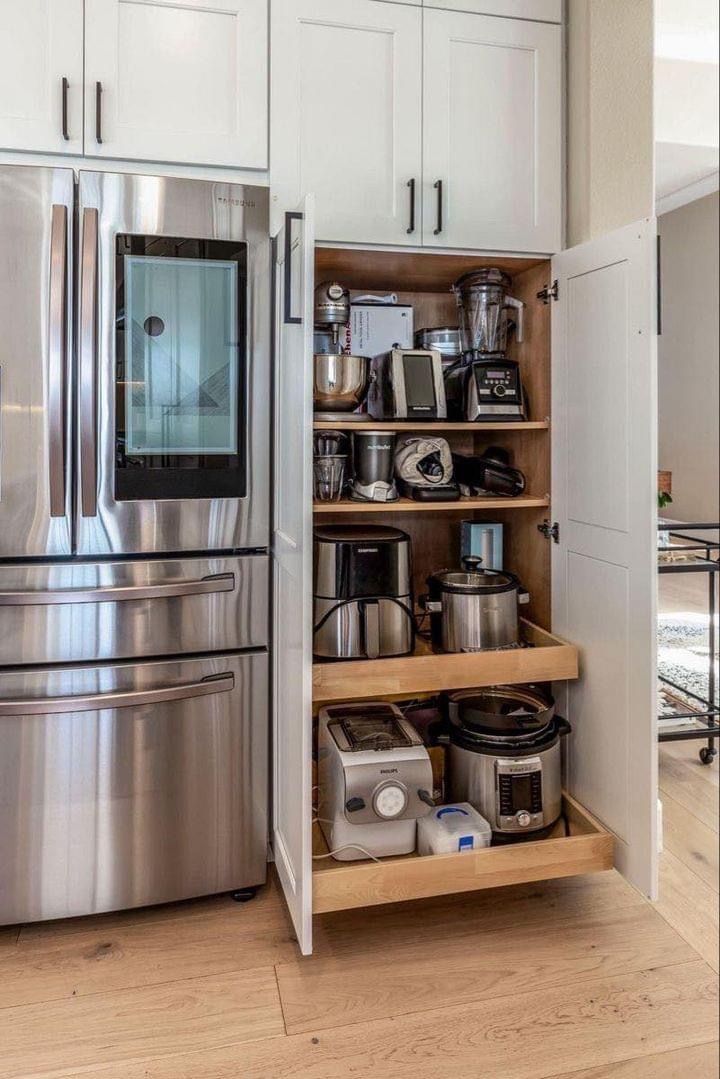

Additionally, ensure that the cabinet hardware is child-safe.euclidean geometry representations D-ring or bar pulls are safer alternatives to knobs, as they're harder for toddlers to operate accidentally. Also, look for hardware that's lead-free and contains no small, removable parts that could pose a choking hazard.
Easy Access for Little Hands
Kids love to help, and giving them access to their own space in the kitchen can be rewarding and confidence-building. Lower cabinets or open shelving allow them to reach their dishes, silverware, or ingredient like flour and sugar, promoting independence and cooperation.
You can even install reversible hardware, allowing you to swap out the knobs or pulls to a child-friendly design. This way, you can adjust the cabinets as your little ones grow.


Fostering Creativity and Learning
Kitchen cabinets can also be powerful tools for fostering creativity and learning. Turn them into a canvas for your child's art, or use them to create a learning center that encourages exploration and discovery.
Consider cabinets with adjustable shelves that can grow with your child. You can start with a few low shelves for easy access, then add more as your kid gets taller. Or try open shelving with clear bins, allowing kids to see and access their things more easily.
Cabinet Decals and Chalkboard Paint
Transform your cabinets into a playful, interactive space. Use decals or temporary vinyl stickers to create a colorful, engaging surface. Alternatively, paint a section with chalkboard paint to encourage drawing, writing, or even cooking games and recipes.


You can even use your cabinets to create an alphabet or number line, reinforcing important learning concepts in a fun and engaging way.
Storage That Grows with Your Child
Choose storage solutions that adapt to your child's changing needs. Stackable bins, for example, can be used separately or nested together to save space as your kid outgrows certain items.
drawer dividers and shelf organizers help keep small items sorted and easily accessible. As your child grows, you can adjust the organizers to accommodate new interests and hobbies.
In the end, kid-friendly kitchen cabinets are more than just storage units; they're tools for teaching, fostering creativity, and promoting independence. By making safety and adaptability a priority, you can create a space that grows with your child, making lasting memories along the way. So, let's make kitchen time not just functional, but also a fun and engaging experience for the whole family.
Related Articles

Renter-Friendly Kitchen Cabinet Ideas
Transforming a rental kitchen into a functional and inviting space can be a challenge, especially when you're limited by the existing cabinetry. But with a...

Kid-Friendly Kitchen Remodel Ideas: Modern & Safe Designs
Transforming your kitchen into a safe, fun, and inviting space for your little ones can be an exciting and rewarding project. A child-friendly kitchen remodel...
Kid-Friendly Kitchen Ideas
Transforming your kitchen into a kid-friendly haven isn't just about safety, it's about creating a space that fosters imagination, learning, and shared...

Affordable Outdoor Kitchen Cabinets at Bunnings
Craving an outdoor cooking space to rival your inner sanctuary, but the budget is more like aagini than a bonanza? We've scouted Australia's DIY haven...

Kid-Friendly Patio Furniture: Perfect for Family Fun
Adding comfort and style to your outdoor space while ensuring safety and fun for kids is a breeze with the right patio furniture. When selecting furniture for...

"Create a Cozy & Safe Living Room: Kid-Friendly Decor Ideas"
Creating a cozy, safe, and engaging environment for your kids in the living room doesn't mean you have to compromise on style or adult comfort. With strategic...