Landscape Tips for Beginners: Expert Secrets
Embarking on your journey to transform your outdoor space into a beautiful, vibrant landscape can be both exciting and daunting. With the vast amount of information available, it's easy to feel overwhelmed. But fear not, beginner! We've compiled a comprehensive guide filled with expert tips and practical advice to help you create a stunning landscape, one step at a time.
Whether you're aiming for a elegant, low-maintenance yard or a lush, vibrant garden bursting with color, these tried-and-true techniques will empower you to design and care for your landscape like a pro. So, grab your gardening gloves and let's dive in!
Understanding Your Landscape: The Foundation of a Beautiful Outdoors
Before you start planting, it's crucial to assess your landscape's unique characteristics. This understanding will guide your design decisions and ensure the longevity and health of your plants.


Start by evaluating your landscape's shape, size, and existing features. Consider the sunlight exposure, soil quality, and drainage. Make a basic sketch, noting down both static elements like trees, fences, and structures, and dynamic elements like seasonal views and blooming flowers.
Microclimates and Plant Zones
Not all gardens are created equal. Microclimates exist even within small spaces, exerting a significant impact on plant growth. Recognize these distinct areas within your landscape based on sunlight levels, wind exposure, and soil temperatures.


Plant hardiness zones further refine these microclimates. Knowing your zone, determined by the lowest average winter temperature, helps you choose plants that thrive in your specific region. In the U.S., the USDA's Plant Hardiness Zone Map is an invaluable resource for determining your zone.
Site Analysis: Soil Health and Preparation
Healthy soil is the backbone of a thriving landscape. Conduct a soil test to ascertain the pH level, nutrient content, and organic matter percentage.Your local extension service or a home testing kit can help you with this.
Based on the results, amend your soil with appropriate organic matter like compost or well-rotted manure. This enhances soil structure, promotes beneficial microorganisms, and improves water retention. For detailed recommendations, consult the MonEstado County Cooperative Extension office or other local resources.


Designing Your Dream Landscape: Principles and Styles
With a solid understanding of your landscape's character, it's time to let your creativity run free. Design principles and styles serve as your blueprint, guiding you through the process and ensuring congruity among elements.
Key design principles include balance, proportion, unity, variety, and focus. Balance creates harmony through the distribution of visual weight, while proportion maintains a sense of scale. Unity ties the design together, variety adds interest, and focus guides the eye through the landscape.
Selecting a Landscape Style
Choose a style that reflects your personality and complements your home's architecture. Options range from formal, symmetrical designs to casual, naturalistic ones. Consider these popular styles:


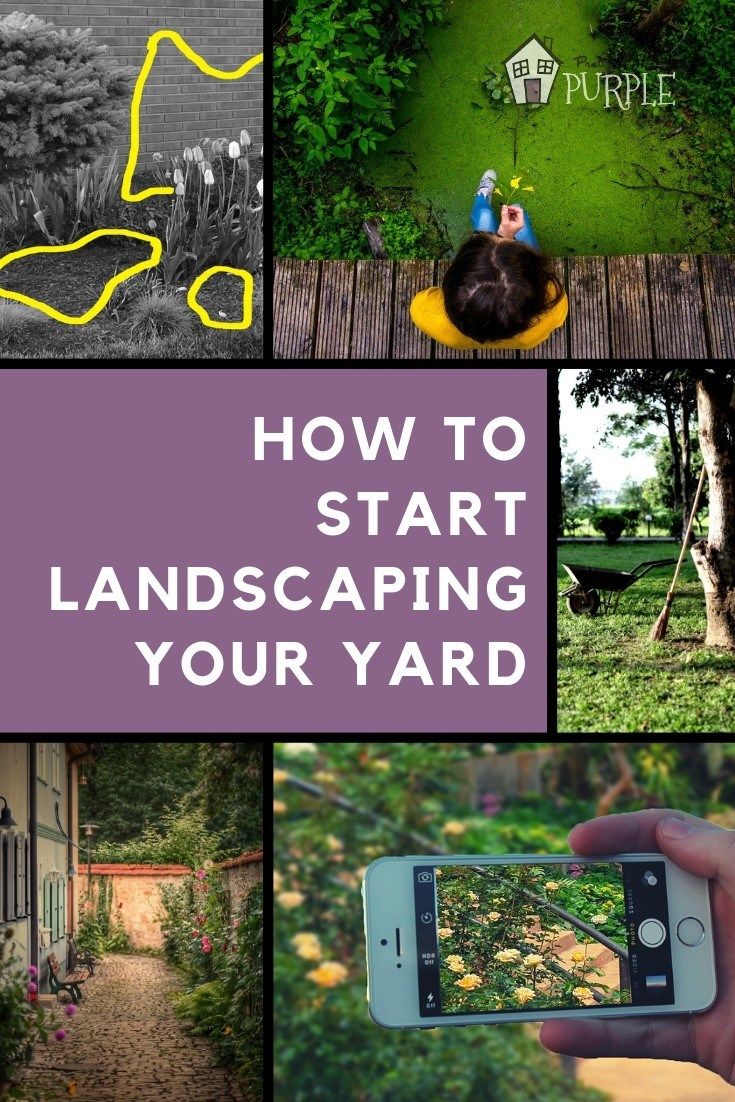


- English Cottage: Romantic and inviting, filled with lush plantings and meandering paths.
- Modern: Clean lines, minimal ornamentation, and an emphasis on hardscaping and evergreen plants.
- Tropical: Lush foliage, vibrant flowers, and a sense of adventure, perfect for warm climates.
Creating a Design Plan: Sketching It Out
Armed with your style choice and design principles, sketch out your initial design. Include hardscaping elements like patios, paths, and retaining walls, as well as plants. Be sure to consider plant size at maturity to avoid overcrowding.
Don't be locked into the perfect plan right away. Experiment with layouts, and feel free to adjust as needed once you start implementing the design.
Building Your Landscape: Plants, Hardscaping, and More
Transforming your design into reality involves selecting the right plants, incorporating hardscaping elements, and establishing a care routine to keep everything thriving.
Choosing the Right Plants
Select plants that complement your home, resist local pests and diseases, and require minimal care. Consider plant height, spread, bloom time, and color to create a harmonious tapestry of foliage and flowers.
Use season-long interest plants to ensure your landscape remains beautiful year-round. Include evergreens for winter appeal, and layer plants with overlapping bloom times for continuous color. Don't forget to consider foliage color and texture to add depth and interest.
Integrating Hardscaping Elements
Hardscaping materials like concrete, stone, brick, and wood add structure, texture, and functionality to your landscape. Use walkways, patios, and retaining walls to define spaces, improve drainage, and highlight architectural features.
Contrasting hardscaping materials with soft plantings draws attention to certain areas, while incorporating plants into hardscaping structures, such as with Green Walls or rain gardens, adds visual appeal and helps maintain a balanced, natural look.
Creating a Maintenance Plan
Establishing a routine care plan keeps your landscape thriving and allows you to enjoy your outdoor space without constant toil. Regular tasks include watering, mulching, fertilizing, pruning, and seasonal clean-up.
Divide tasks into manageable chunks, assigning duties to different seasons. For instance, spring might be dedicated to planting and dividing perennials, while summer could focus on maintenance and hydration. This structured approach simplifies care and ensures your landscape remains a haven for both you and local wildlife.
Embarking on your landscaping journey might seem daunting at first, but immersing yourself in the process and celebrating your successes will yield a beautiful, personalized sanctuary. So, don your metaphorical or literal gardening hat, and let your creativity and passion guide you as you transform your outdoor space into an oasis.
Related Articles

DYI Landscape Designs: Transform Your Yard with Expert Tips
Transforming your outdoor space into a personal oasis can be an exciting and rewarding task. With a well-designed DIY landscape, you can create a beautiful and...
Mastering Landscape Design: Beginner's Tips
Embarking on your first landscape design project can be both exciting and daunting. With a bit of knowledge and some strategic planning, you can transform your...

Professional Greenscapes: Expert Landscape Management
Transforming your outdoor space into a serene, vibrant sanctuary requires careful planning, consistent maintenance, and a green-thumb expertise. This is where...

Garden Design Examples: Inspring Ideas & Expert Tips
When envisioning your dream garden, whether it's a serene retreat or a vibrant oasis, garden design is key. It transforms your patch of earth into an extension...

Fix: LiveWell Pump Not Pumping Water? DIY Solutions & Expert Tips
If your LiveWell pump has stopped pumping water, it can be a frustrating experience and leave you with a dry and unhealthy garden. Don't worry, you're not...

J&B Outdoors Mississippi:Top Gear & Expert Tips for Adventure
_embarking on an outdoor adventure in Mississippi often means one name comes to mind: J&B Outdoors. This renowned retailer, with multiple locations across the...