Maximize Life: Australia's Life Expectancy Secrets
From the land of sunshine and beaches to the bustling cities and sprawling outback, Australia, the world's largest island continent, boasts an incredibly diverse landscape and, arguably, one of the world's highest life expectancies. Australia's quality of life, robust healthcare system, and lifestyle factors contribute significantly to its residents' longevity. If you're wondering, "What is life expectancy in Australia like?", read on to explore this topic in depth.
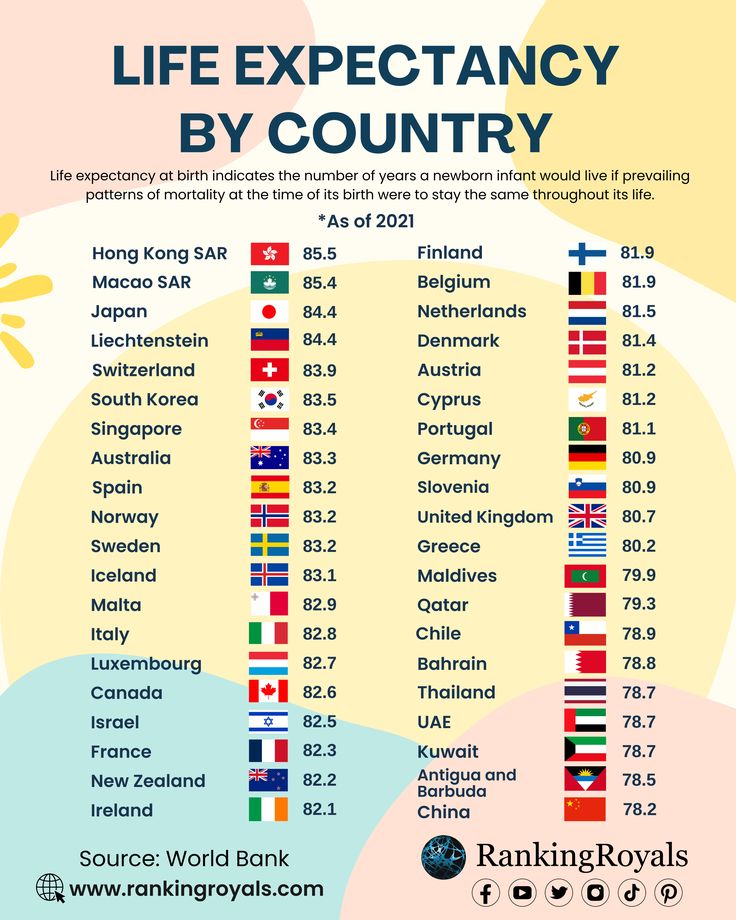
Life expectancy in Australia has been on an upward trajectory, reflecting the country's commitment to public health, education, and economic well-being. According to the Australian Bureau of Statistics (ABS), the life expectancy at birth for Australians born between 2015 and 2017 was 82.5 years for females and 80.4 years for males. This compares favourably with the Organisation for Economic Co-operation and Development (OECD) average of 83.1 years for females and 78.4 years for males.
Key Factors Influencing Life Expectancy in Australia
Several interconnected factors contribute to Australia's high life expectancy. Understanding these aspects can provide valuable insights into the country's approach to healthcare and quality of life.


The United Nations' 2019 World Population Prospects report labelled Australia as one of the world's most urbanised nations, with 86% of its population living in urban areas. Australia's cities offer excellent infrastructure, facilitating access to quality healthcare, education, and employment opportunities, which all contribute positively to life expectancy.
Robust Healthcare System
Australia's universal healthcare system, Medicare, provides covered healthcare services to all residents. The system is funded by government contributions and taxes, ensuring affordability and accessibility. This robust healthcare framework plays a crucial role in enhancing life expectancy by enabling early detection, treatment, and management of health conditions.


Australia also places a strong emphasis on preventative healthcare and public health initiatives. From vaccination programs to education on healthy lifestyle choices, these investments help Australians maintain good health and reduce the risk of chronic diseases. Examples include the Department of Health's nationally funded immunisation program and the work of the Australian Institute of Health and Welfare (AIHW) in promoting health literacy and informed decision-making.
Lifestyle Factors and Quality of Life
Australia's enviable work-life balance, coupled with a strong focus on outdoor recreation and physical activity, supports healthy lifestyle choices. The OECD Better Life Index for Australia highlights that 60% of Australians regularly engage in sport, gym activities, or other forms of physical exercise. This proactive approach to health contributes significantly to the country's high life expectancy.
Aussies' love for the great outdoors, coupled with the country's diverse landscapes and generous amount of sunshine, encourages outdoor recreation. From surfing and hiking to swimming and cycling, these activities foster an active and healthy lifestyle, ultimately enhancing life expectancy.


Regional Variations in Life Expectancy
While Australia enjoys high life expectancy overall, regional and socioeconomic disparities exist. Understanding these variations can help policymakers address inequalities and improve life expectancy across the nation.
The AIHW's 2019 report, "Australia's Health," revealed that life expectancy varies by up to five years for males and four years for females across different Australian regions. These discrepancies reflect disparities in access to quality healthcare, education, and economic opportunities, as well as lifestyle factors and health determinants.
Socioeconomic Influences
Socioeconomic status significantly impacts life expectancy. People living in disadvantage experience higher rates of chronic disease, mental health issues, and lower life expectancy. The Australia Institute's 2020 report, "Aussie COVID-19 Response," highlighted the disparities evident in life expectancy among households in the lowest 20% income bracket compared with those in the highest 20% – a difference of around 10 years.


Addressing these inequalities requires targeted policies and investments to improve access to essential services, education, and employment opportunities for disadvantaged populations. Initiatives such as the Department of Health's Healthier Communities grants program aim to support grassroots health promotion and reduce health disparities in local communities.
Remote and Indigenous Communities
In Australia's remote and rural areas, life expectancy can be significantly lower than in major cities. Access to quality healthcare, health workforce shortages, and lower health literacy levels contribute to these disparities.
Indigenous Australians face particular challenges, with life expectancy generally lower than the national average. According to the 2016 ABS Census, Indigenous Australians had a life expectancy of up to 7 years less than non-Indigenous Australians. The Closing the Gap initiative, a collaborative effort between Australian governments and Indigenous communities, aims to address these disparities and improve health outcomes for Indigenous Australians.
Australia's life expectancy is a testament to its commitment to public health, quality healthcare, and a high standard of living. However, it remains crucial to address the regional and socioeconomic disparities to ensure all Australians enjoy the benefits of a long, healthy life. By continuing to invest in preventative healthcare, targeted interventions, and collaborative partnerships, Australia can strive to improve life expectancy for all its residents.
Related Articles

Uncharted Outback: Secrets of Life in Australia's Wilderness
The phrase "outback living" might evoke images of vast, untouched landscapes, harsh climates, and resilient individuals. Australia's outback, often...
Maximize Your Lifespan: Life Expectancy & Brisbane's Secret
Life expectancy in Brisbane, Australia, has been steadily increasing over the years, reflecting the high-quality healthcare services, safe environment, and...

Life in Australia's Outback
From the vibrant cities to the pristine beaches, Australia's allure is undeniable. However, beyond the urban hubs and coastal paradises lies a vast, untamed...
Life Expectancy by State: Australia
Australia, a land of vastographical and cultural diversity, also boasts a varied landscape of health and longevity. Life expectancy, a crucial indicator of a...

Discovering Australia's Outdoor Living Delights
Australia, renowned for its vast landscapes and unique wildlife, is a dream destination for outdoor enthusiasts the world over. Blessed with a diverse range of...

Living the High Life Down Under: Australia's Exceptional Quality of Living
The concept of quality of life is an essential consideration when choosing where to live, and Australia, with its diverse landscapes, vibrant cities, and rich...