Life Expectancy in KY: Unveiling Potential and Trends
Life expectancy in Kentucky, a state renowned for its scenic landscapes and rich history, has been a topic of concern and interest, especially in recent years. This article delves into the latest data, factors influencing life expectancy in KY, and initiatives aimed at improving it.
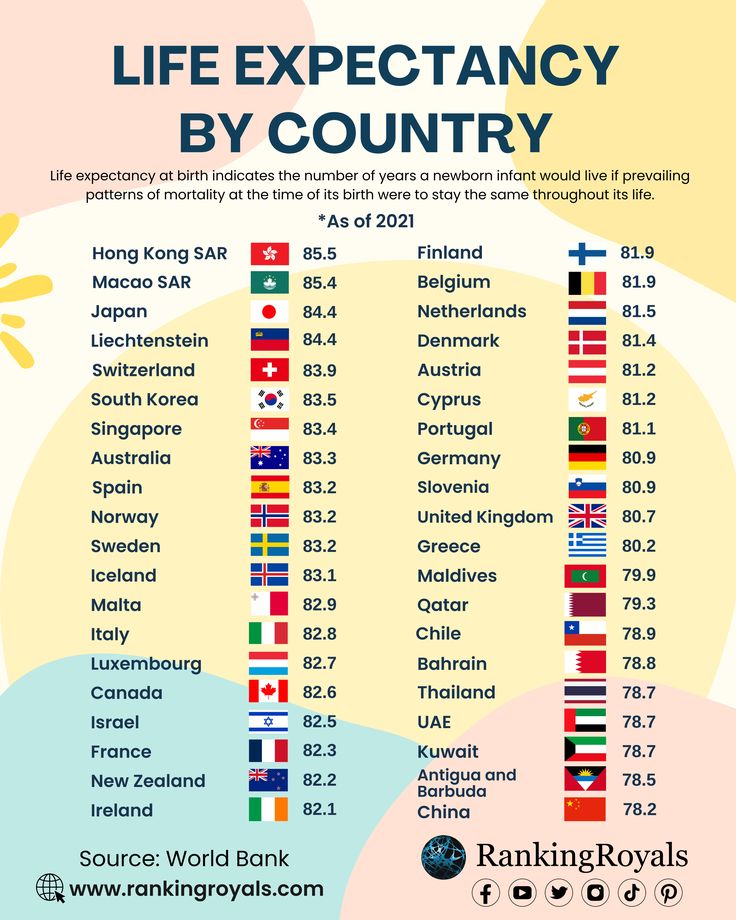
Kentuckians' life expectancy, approximately 75.5 years, lags behind the national average of 78.8 years, according to the latest data from the Kentucky Cabinet for Health and Family Services. This disparity underscores the importance of understanding the determinants of health and well-being in the Bluegrass State.
Factors Affecting Life Expectancy in Kentucky
Several interconnected factors contribute to life expectancy variations across Kentucky.


Healthcare Accessibility and Quality
Kentucky's rural landscape and financial constraints make accessing quality healthcare challenging, particularly for the uninsured and underinsured..Border Health initiatives, such as the Kentucky State Health Access Program, strive to enhance coverage and reduce health disparities.
According to the Kentucky Health Access Network, 500,000 Kentuckians lack health insurance, highlighting the urgent need for accessible, affordable healthcare.


Health Behaviors and Socioeconomic Status
The leading causes of death in Kentucky are cardiovascular diseases, cancer, and chronic lung diseases, all modifiable through healthier lifestyles. However, socioeconomic barriers, such as poverty, lack of education, and food insecurity, complicate behavior change efforts.
The Kentucky River District Health Department and other local health departments provide wellness programs, health education, and outreach services to tackle these challenges.
Initiatives to Improve Life Expectancy in Kentucky
Several local, state, and federal initiatives aim to increase Kentuckians' life expectancy.


Preventive Healthcare and Early Intervention
Initiatives like Care Kentucky coordinate local preventive services and early intervention programs to address health disparities. For instance, the construits morbidities project focuses on preventing and managing chronic conditions, like diabetes and cardiovascular diseases.
The Kentucky Cancer Plan targets cancer prevention, screening, treatment, and survivorship to reduce cancer-related deaths.
Policy Changes and Community Engagement
Kentucky has made strides in healthcare policy, such as expanding Medicaid under the Affordable Care Act, reducing the uninsured rate by 47%. However, continued policy advocacy and community engagement are crucial to sustain and build on these achievements.




Grassroots movements, such as the Kentucky Health Justice Network, advocate for policies that promote health equity and broader access to care.
Kentucky's journey towards improving life expectancy necessitates a multi-faceted, coordinated approach addressing healthcare accessibility, health behaviors, and socioeconomicdeterminants. Collaboration across sectors and communities is vital for realizing a shared vision of longer, healthier lives for all Kentuckians.
Related Articles

Life Expectancy in KS: Unveiling Statistics & Trends
Life expectancy, a measure of the average number of years a person is expected to live, is a crucial indicator of a population's overall health and well-being...

Kyoto: Unveiling its Residents' Exceptional Life Expectancy
Nestled in the mountainous Kyoto Prefecture, the city of Kyoto boasts a renowned reputation for its rich history, vibrant culture, and exceptional quality of...

Kentucky Life Expectancy: Study Reveals Trends & Factors
Kentucky, situated in the eastern United States, is well-known for its distinctive cultures, bustling cities, and serene countryside. However, when it comes to...

Boost Your Life Expectancy: Unveiling Queensland's Longevity Secrets
Embarking on an exploration of Queensland's lifespan, one quickly finds a tapestry of interconnected environments and inhabitants that have weathered the test...
Nevada Life Expectancy: Average & Trends
Embarking on a journey across the expansive, sun-kissed landscapes of Nevada, one might wonder about the life expectancy of its inhabitants, a reflection of...
Kyrgyzstan Life Expectancy in 2024: Latest Trends and Predictions
Life expectancy in Kyrgyzstan, like in many countries, is influenced by a range of factors including healthcare, standard of living, and lifestyle. As we look...