Boost Your Lifespan: Unveiling Life Expectancy in Queensland, Australia
Life expectancy in Queensland, Australia, is a significant indicator of the state's healthcare system, quality of life, and social welfare. Understanding the trends and factors influencing life expectancy in Queensland provides valuable insights into its public health landscape.
According to the Australian Bureau of Statistics, Queensland's life expectancy at birth for males was 81.4 years, and for females, it was 85.1 years as of 2018-2020. These figures place Queensland on par with other Australian states and reflect a general trend of increasing life expectancy worldwide.
Factors Affecting Life Expectancy in Queensland
Several factors contribute to the life expectancy outcomes in Queensland, with healthcare, lifestyle choices, and socio-economic conditions playing significant roles.


Healthcare access and quality are crucial determinants of life expectancy. Queensland's public and private healthcare systems strive to deliver timely and high-quality care, contributing to increased life expectancy. However, disparities in healthcare access and quality among different regions and socio-economic groups may impact overall life expectancy trends.
Regional Disparities
Geographical location significantly influences life expectancy in Queensland. Residents of rural and remote areas tend to have lower life expectancies due to reduced access to healthcare services and specialized medical treatments.Transportation barriers and workforce shortages in these regions exacerbate this issue.
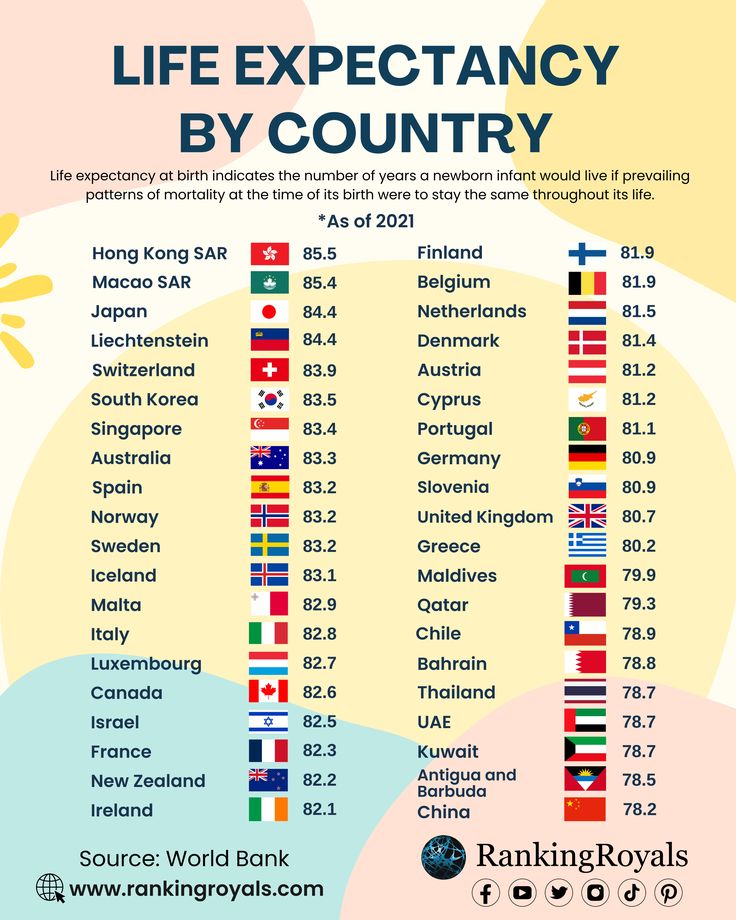


For instance, life expectancy in the Darling Downs - South West region was 80.4 years for males and 83.6 years for females in 2018-2020, compared to the higher life expectancy in metropolitan areas like Brisbane (81.8 years for males and 85.3 years for females).
Socio-Economic Factors
Socio-economic status (SES) is another crucial factor affecting life expectancy in Queensland. Lower SES is associated with reduced life expectancy due to limited access to healthcare, suboptimal living conditions, and higher exposure to health risks such as tobacco smoking and excessive alcohol consumption.
Data from the Australian Institute of Health and Welfare reveals that life expectancy at birth for the most disadvantaged 20% of Australians is 79.3 years for males and 84.0 years for females, compared to 82.4 years for males and 86.6 years for females in the most Advantaged 20%.


Health Behaviour and Lifestyle Choices
Modifiable health behaviors and lifestyle choices play a substantial role in determining life expectancy. Encouraging healthy habits can help improve life expectancy and reduce disparities among different population groups.
In Queensland, initiatives focusing on tobacco control, alcohol harm reduction, and promoting physical activity and healthy diets aim to mitigate health risks related to these factors. These efforts contribute to better life expectancy outcomes by preventing chronic diseases linked to these behaviors.
Tobacco Control
Tobacco smoking is a leading preventable cause of death and disability in Queensland. The state has implemented policies such as smoke-free environments, tobacco retailers' restrictions, and cessation programs to reduce tobacco prevalence.


Between 2000-2001 and 2017-2018, daily smoking rates in Queensland decreased from 25.2% to 13.4% among adults aged 18 years and over. This decline contributes to improved life expectancy, particularly among males, as they have historically had higher smoking rates than females.
Alcohol Harm Reduction
Excessive alcohol consumption poses significant health risks and financial costs to Queenslanders. The state has implemented interventions like responsible alcohol service training, targeted policing, and community education campaigns to reduce alcohol-related harm.
According to the Alcohol and Drug Foundation, alcohol-related deaths in Queensland decreased by 28% between 2001 and 2016, reflecting the effectiveness of these interventions. This trend positively impacts life expectancy by preventing alcohol-related illnesses and injuries.
In the vibrant and growing state of Queensland, life expectancy continues to improve, driven by advancements in healthcare, targeted public health efforts, and increased awareness of the role of lifestyle choices in determining health outcomes. As the state progresses, prioritizing equity in healthcare access and addressing socio-economic disparities will be essential to further enhance life expectancy and ensure all Queenslanders enjoy a long and healthy life. Embracing this approach will help Queensland continue to thrive as a thriving, healthy, and inclusive community.
Related Articles

Boost Your Life Expectancy: Unveiling Queensland's Longevity Secrets
Embarking on an exploration of Queensland's lifespan, one quickly finds a tapestry of interconnected environments and inhabitants that have weathered the test...

Boost Your Lifespan: Unveiling Colorado's Life Expectancy Secrets
Nestled in the heart of the American West, Colorado is renowned for its pristine landscapes, vibrant cities, and high quality of life. One key factor that...
Maximize Your Lifespan: Life Expectancy & Brisbane's Secret
Life expectancy in Brisbane, Australia, has been steadily increasing over the years, reflecting the high-quality healthcare services, safe environment, and...

Queensland Australia Life: Unveiling Paradise Down Under
Nestled in the northeastern corner of Australia, Queensland, the 'Sunshine State', offers a lifestyle that's as diverse as its landscapes. From the bustling...

Boost Life Expectancy: Caring for Queensland Heelers in 2023
The Queensland Heeler, often simply called the Australian Cattle Dog, is a breed known for its intelligence, alertness, and high energy levels. Naturally...

Does Having a Pet Boost Your Longevity?
Embarking on the journey of pet ownership often incurs a multitude of benefits that transcend the realms of daily companionship and unconditional love. One...