Malaysia Wet Kitchen: Explore Traditional Culinary Delights
Malaysia, a vibrant country in Southeast Asia, is renowned for its mouthwatering cuisine. One of the most captivating culinary aspects is the 'wet kitchen', a concept deeply rooted in Malaysian food culture. But what exactly is a 'wet kitchen', and why is it so integral to Malaysian cooking?
A 'wet kitchen' refers to a kitchen that literally gets wet during meal preparation. This is a characteristic feature of Malaysian kitchens, where cooking involves extensive use of water. It's not just about cleaning; it's about ensuring every ingredient is properly rinsed and the cooking process itself often involves simmering or boiling, further contributing to the 'wet' atmosphere.
Understanding the Wet Kitchen Concept
The wet kitchen concept is deeply ingrained in Malaysian culture, particularly among the Malay community, and it's not merely functional but also spiritual. The act of washing and cooking is seen as a form of cleansing, not just for the ingredients, but also for the soul.


In many traditional Malay homes, the wet kitchen is a separate space from the main living area. This is to keep the house clean and the cooking process contained. It's often an outdoor space or a small room adjacent to the main house, equipped with basic necessities like a stove, sink, and storage for ingredients.
The Role of Water in Malaysian Cooking
Water is the lifeblood of Malaysian cooking. It's used liberally in dishes like rendang (beef curry), where meat is slowly simmered in a spice-rich gravy until tender and almost dry. Even in dishes like nasi lemak (coconut rice with various side dishes), water is used to rinse the rice and give it a distinct fragrance when cooked.


The sanctity given to water in Malaysian cooking is also reflected in the traditional woks used. Often made of cast iron or stainless steel, these woks are seasoned over time, creating a non-stick surface that requires no oil. This allows for healthier cooking methods, with water serving as the primary cooking liquid.
Wet Kitchens and Hygiene
The wet kitchen isn't just about food preparation; it's also about hygiene. The extensive use of water ensures that everything is thoroughly cleaned. This is vital in tropical climates like Malaysia's, where food can spoil rapidly if not stored or handled correctly.
Furthermore, the wet kitchen allows for better ventilation, reducing the risk of pests and diseases. This is particularly important in multi-generational homes where grandparents, parents, and children live under one roof, with shared cooking spaces.


The Evolution of the Wet Kitchen
Over time, the wet kitchen has evolved to suit modern lifestyles. While traditional wet kitchens were often small and rudimentary, today's versions are often more spacious and equipped with modern appliances.
However, despite these changes, the core principles of the wet kitchen remain the same. Water continues to be a crucial element in Malaysian cooking, and the act of washing and cooking remains a sacred ritual.
Wet Kitchens in Modern Homes
In modern homes, wet kitchens might look different, but their essence remains the same. Many homes now have wet and dry kitchens, with the wet kitchen primarily used for cooking and the dry kitchen for eating and socializing.


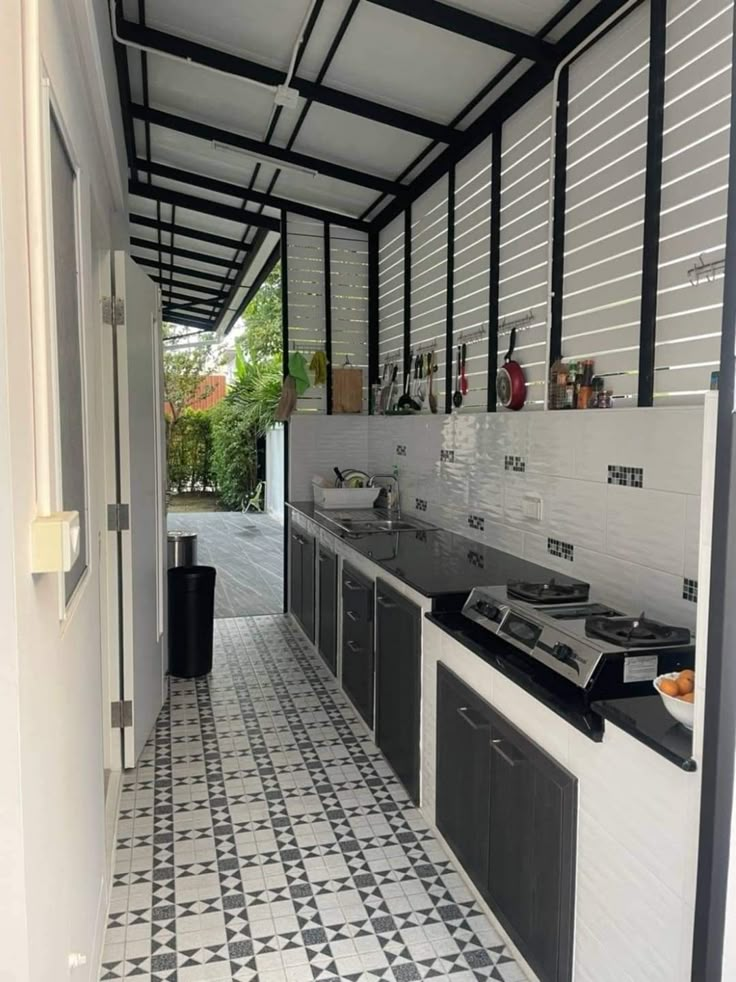


This separation allows for better organization and reduced clutter. It also caters to the Malaysian love for outdoor living, with many wet kitchens now equipped with outdoor dining areas.
Preserving Culinary Traditions
While the wet kitchen has evolved, there's a conscious effort to preserve its traditions. Many families still use traditional cooking methods, passing down recipes and cooking techniques through generations.
Cooking classes and culinary tours also play a role in preserving these traditions. They allow both locals and tourists to learn about the significance of the wet kitchen and its role in Malaysian culinary heritage.
So, the next time you visit Malaysia and see a 'wet kitchen', remember, it's not just a space where food is prepared. It's a symbol of tradition, a nod to cultural heritage, and a testament to the deep-rooted love Malaysians have for their food. It's an invitation to dive into the rich tapestry of Malaysian cuisine, where every dish has a story, and every story starts in the wet kitchen.
Related Articles

Temple Bar & Grill Menu: Explore Our Culinary Delights
Nestled in the heart of the city, Temple Bar and Grill has been a favored dining destination for decades. This iconic establishment is renowned for its...
Malaysia Wet & Dry Kitchen: Exploring Diverse Culinary Landscapes
Nestled in the heart of Southeast Asia, Malaysia has_connested a unique culinary scene that beautifully blends diverse cultural influences, resulting in a...

Non-Traditional Kitchen Layout Ideas: Innovative Designs
In the realm of home design, the kitchen has evolved from a purely functional space to a hub of family activity, entertainment, and self-expression. As a...

Georgian Room Menu: Traditional Delights Await
The allure of a Georgian Room Menu transports you to the grandest of establishments, when opulence was kings and culinary delights were served on a silver...

Denver's Culinary Delights: Top Restaurants Near the Museum of Nature & Science
When exploring Denver, a visit to the Denver Museum of Nature and Science is a must. For food enthusiasts, the exciting culinary scene around the museum is...

21 Unique Non-Traditional Kitchen Backsplash Ideas for 2023
Tired of the same old subway tile kitchen backsplash? It might be time to explore some non-traditional options that not only protect your walls but also make a...