Medium Room Sizes: Essential Measurements
When it comes to room measurements, there's a common denominator in many homes: the medium-sized room. These spaces can be both a blessing and a challenge, offering ample space for multiple uses yet requiring well-planned layout and decor for optimal functionality and aesthetics. Let's delve into the world of medium-sized rooms, exploring their measurements, flexible uses, and design tips to make the most of these versatile spaces.
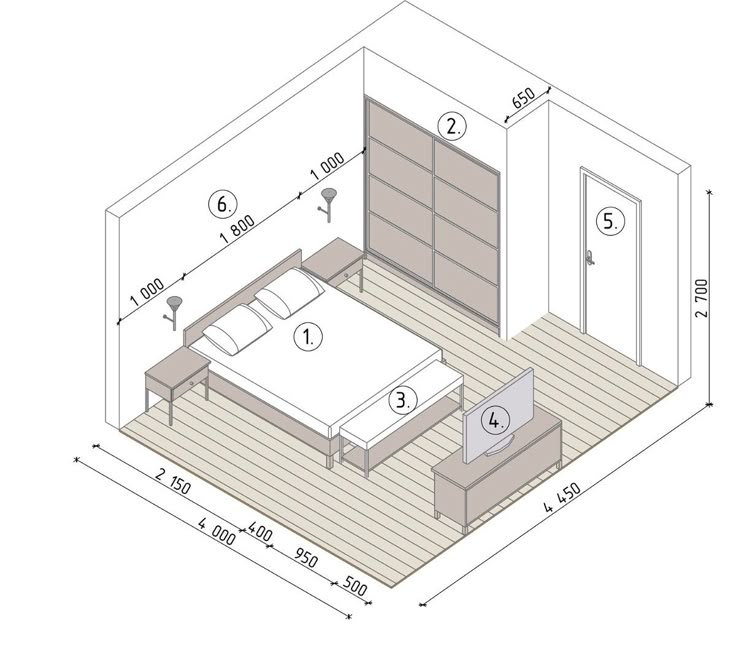
First, let's define what constitutes a medium-sized room. On average, these rooms fall within the 120 to 225 square feet (11 to 20.9 square meters) range. This size can vary based on the layout of your home and local building codes, but it's a useful guideline for determining if your space falls into this category.
Understanding Medium-Sized Rooms
Medium-sized rooms are common in modern homes, often serving multiple purposes. They can function as living rooms, dining areas, home offices, or a combination of these. Their multifunctional nature makes them an essential part of any living space, yet their size can also pose design challenges.


To create a cohesive and inviting atmosphere in a medium-sized room, you'll need to consider the balance between furnishings, layout, and decor. Let's explore some key aspects of working with this size range.
Furniture Scaling
Choosing appropriately scaled furniture is crucial in medium-sized rooms. Opting for pieces that are too large or too small can throw off the room's balance and make it feel either cramped or oversized. Take measurements of your space and use them to guide your furniture choices.


For example, a too-small couch can disappear into the room, while a too-large one can dominate the space and leave little room for other furnishings. Similarly, small-scale seating can feel odd when surrounded by large walls or windows. Aim for a balanced mix of furniture sizes that complement your room's dimensions.
Layout Arrangement
The arrangement of furniture in a medium-sized room can significantly impact its functionality and flow. Traditionally, rooms are laid out with the sofa perpendicular to the wall, creating a central focal point. However, this may not always be the best use of space, especially in rooms that need to serve multiple purposes.
Consider alternative layouts, such as placing the sofa along the wall or arranging seating in a conversational grouping. Flexible furniture, like a sofa with a convertible back that can be used as a side table or additional seating, can also help maximize your space. By experimenting with different layout options, you can create a medium-sized room that's both comfortable and efficient.


Designing with Medium-Sized Rooms in Mind
Now that we've discussed the fundamentals of working with medium-sized rooms, let's explore some design strategies tailored to these spaces.
From lighting to decor, every element in your room can contribute to its overall feel and functionality. By applying these design principles, you'll be well on your way to creating a stunning and inviting medium-sized room.
Lighting Layering
Lighting is a powerful tool for transforming the atmosphere of your medium-sized room. Contrary to popular belief, one central light fixture isn't the best way to illuminate the space. Layered lighting adds warmth and dimension, making your room feel cozier and more inviting.


Combine ambient, task, and accent lighting to create a well-lit, engaged atmosphere. For instance, use floor lamps to cast soft, warm light across the room and illuminate darker corners. Table lamps and under-cabinet lighting can provide focused task lighting, while decorative fixtures can create visual interest with their unique shapes and designs.
Decorative Accents
Don't overlook the power of decor to bring a medium-sized room to life. Carefully selected decorative accents can add personality, style, and visual interest to your space, making it feel larger and more inviting.
Choose a color scheme that complements your room's overall aesthetic and creates a cohesive, pulled-together look. Painted or wallpapered accent walls can add depth and dimension, while area rugs define spaces and anchor your furniture arrangements. Finally, don't forget the importance of artwork and other decorative elements in bringing your room to life. Incorporating a mix of textures, patterns, and materials will create a rich, layered look that invites you to stay awhile.
Medium-sized rooms offer endless opportunities for creativity and functionality. By understanding their unique characteristics and applying thoughtful design principles, you can transform these versatile spaces into comfortable, inviting havens that cater to your lifestyle. So, go ahead: measure, plan, and design with confidence, and watch as your medium-sized room becomes the heart of your home.
Related Articles

"Perfect Living Room Sizes: Essential Measurements for Cozy & Spacious Spaces"
Living room size measurements are critical factors that determine the layout and functionality of this multifaceted space. Whether you're designing a new home...

Practical Guide: Medium Living Room Sizes & Design Tips
When it comes to designing and furnishing a space, the living room's size can greatly impact the decisions made. A medium living room size, typically ranging...

HDB 4 Room Bedroom Sizes: Detailed Guide & Measurements
Are you a homeowner in Singapore looking to understand the bedroom size of HDB 4-room flats? You're in the right place. Let's dive into the details, ensuring...

Best Light Bulb Sizes for Rooms: Essential Guide
Size isn't just about how you look; it's also about how you feel and function in a space. The same principle applies to the lighting in your room. The size of...

Laundry Cabinet Sizes: Perfect Measurements for Your Space
When it comes to outfitting your laundry room with cabinets, one of the first questions you might ask is, "What size are laundry room cabinets?" The answer can...

Medium-Size Rugs: Perfect for Living Room Comfort and Style
Adding a rug to your living room can instantly transform its aesthetics and functionality. And when it comes to size, medium-sized rugs often emerge as the...