Nature Walk Activities: Exploring the Great Outdoors
Immerse yourself in the boundless beauty of the outdoors with a rejuvenating nature walk. This simple yet profound activity offers a myriad of benefits, from enhancing mental well-being to improving physical health. But what exactly are nature walk activities, and how can you make the most of your time outside?
Nature walks are essentially casual strolls through parks, trails, or other natural environments. The key is to engage your senses with the surroundings, allowing nature to invigorate your mind, body, and spirit. Whether you're a seasoned hiker or a curious beginner, there's always more to explore and discover on a nature walk. Let's delve into the enriching aspects of nature walk activities.
Physical Health Benefits
Engaging in nature walks is an excellent way to integrate physical activity into your routine. Regular walks can help manage weight, maintain healthy blood pressure, and reduce the risk of chronic diseases like heart disease and type 2 diabetes. Moreover, nature walks offer a low-impact workout suitable for individuals of all fitness levels.


Combine your nature walks with varied terrains and challenges to boost your exercise benefits. For instance, traversing uneven trails can enhance balance and stability, while ascending gradients can strengthen your cardiovascular system and leg muscles.
Promoting Cardiovascular Health
Nature walks are an effective way to engage in moderate-intensity aerobic activity, which is essential for maintaining a healthy heart. Regularly brisk walking for at least 30 minutes per day can substantially improve your cardiovascular health.


Make your walks more cardio-focused by maintaining a steady pace, walking for extended periods, or incorporating intervals of faster-paced marching or jogging.
Strengthening Muscles
Walking engages various muscle groups, from your calves to your core, making it an effective full-body workout. To further enhance muscle-strengthening benefits, consider carrying a light backpack or incorporating resistance exercises into your walks, such as marching in place or doing lunges.
Varying your walking routes to include inclines can also help build lower body strength, targeting your glutes, quads, and hamstrings.


Mental Health and Well-being
The calming effects of nature on the mind are well-documented. Incorporating nature walks into your routine can significantly improve your mental health and overall well-being. Breastancer's research has shown that spending at least two hours a week in nature can boost health and well-being.
Moreover, nature walks can help reduce stress, anxiety, and depression, while enhancing mood, creativity, and focus. Engaging all your senses in the natural environment can create a sense of presence and wonder, encouraging mindfulness and mental rejuvenation.
Reducing Stress and Anxiety
Nature walks can significantly lower cortisol levels, the body's primary stress hormone. Engaging with natural environments encourages relaxation and helps distract the mind from stress-inducing thoughts.




To maximize stress-reducing benefits, focus on your breath, engage your senses, and allow yourself to be fully present during your walks. Opt for scenic routes or paths amidst lush greenery for a more pronounced effect.
Enhancing Mood and Mental Clarity
Spending time in nature has been found to increase the production of serotonin, a neurotransmitter associated with happiness and well-being. Exposure to natural light during walks can also help regulate your circadian rhythm, improving sleep quality and overall mood.
Incorporate nature walks into your routine to cultivate a positive mindset, boost creativity, and improve cognitive function. You may find that your walks become a source of inspiration, helping you approach challenges with renewed clarity and optimism.
Engaging with Nature
Nature walks offer an opportunity to connect with the natural world, fostering a sense of awe and appreciation for the environment. To deepen your engagement with nature, embrace curiosity and adopt an adventurous spirit.
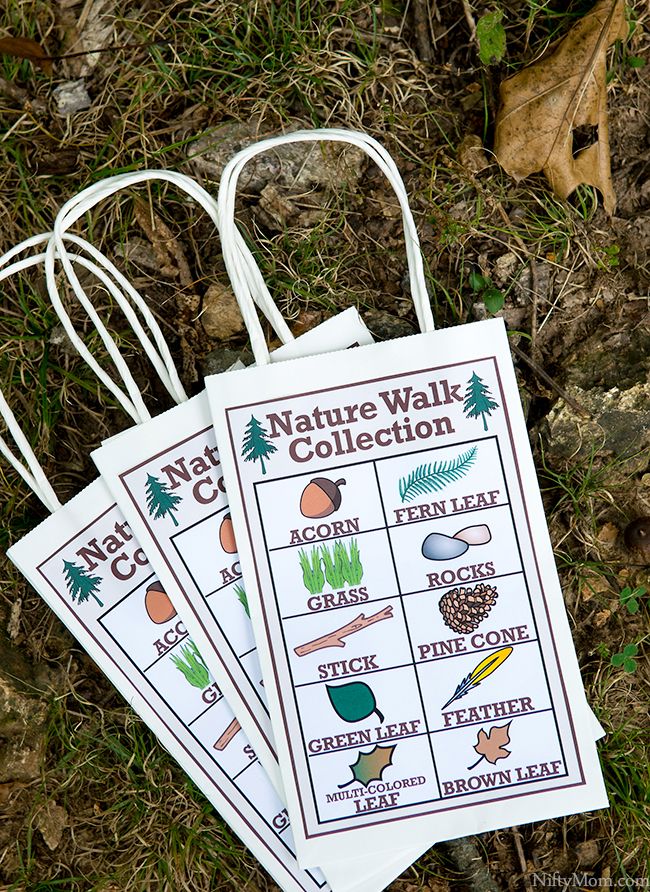
Observe the surrounding flora and fauna, take photographs, or keep a nature journal to document your experiences. Challenge yourself to identify new plants or animal species on each walk, or create a scavenger hunt tailored to the seasons.
Mindful Observation
Mindful observation enables you to fully immerse yourself in the natural world, promoting a sense of connection and wonder. As you walk, pay close attention to your surroundings, noting the textures, colors, and sounds that surround you.
Practice staying present in the moment, acknowledging your thoughts without judgment, and gently redirecting your focus to your senses when your mind wanders. Mindful observation can cultivate a deeper appreciation for the natural environment and foster a sense of peace and contentment.
Nature Journaling and Photography
Capturing your nature walk experiences through journaling or photography can help you engage more deeply with the environment and preserve precious memories. These creative outlets also offer a fun and accessible way to express yourself and develop new skills.
Experiment with different journaling techniques, such as sketching or writing haikus, to find what resonates most with you. Use photography to capture the beauty of the natural world, exploring various compositional techniques to enhance your images' artistic merit.
Embracing nature walk activities invites you to disconnect from the stresses of daily life and reconnect with the natural world. As you explore the great outdoors, prioritize curiosity, mindfulness, and self-care, creating lasting memories and cultivating a profound appreciation for the boundless beauty of nature.
Related Articles

Low-Intensity Outdoor Activities: Enjoy the Great Outdoors Without Breaking a Sweat
When you think of outdoor activities, you might picture intense hikes, rapid-pace cycling, or adrenaline-pumping sports. However, not everyone is after such...

"Engaging Kid Nature Activities: Fun & Eco-Friendly Ideas for Learning Outdoors"
Immersing children in nature is more than just a fun pastime; it's an opportunity to stimulate their imagination, foster a sense of wonder, and instill an...

Great Outdoors Cabin: Rent Your Nature Escape
Nestled amidst the untamed beauty of the great outdoors, discovering the perfect hideaway for your next escape can be an overwhelming task. But what if we told...

Fun Family Activities Outdoors: Enjoy the Great Outdoors Together!
Ditching the screens and slipping into hiking boots or backyard flip-flops can do wonders for your family bond. Outdoor activities not only provide an...

Fun Backyard Activities: Enjoy the Great Outdoors Solo
Spending time in nature can be a rejuvenating experience, and you don't always need companions to enjoy it. Your backyard provides ample opportunities to...

Camping Games & Activities for Kids: Fun in the Great Outdoors
Embarking on a camping trip with kids is an exciting adventure that offers a treasure trove of opportunities for learning and fun. Games and activities play a...