Outdoor Learning Ideas KS1
In the early years of education, outdoor learning presents an exciting, hands-on approach that fosters curiosity, creativity, and connection with nature. For Key Stage 1 (KS1) students, outdoor learning ideas offer numerous benefits, from enhancing physical development to nurturing problem-solving skills. Let's explore some engaging and beneficial outdoor learning ideas suitable for KS1 classrooms.
Outdoor learning transcends the confines of traditional classrooms, transforming parks, playgrounds, and even schoolyards into interactive learning spaces. By embracing nature and the great outdoors, educators can create memorable learning experiences that cater to diverse learning styles and abilities.
Nature-Inspired Learning Activities
Nature provides an abundance of resources for outdoor learning. By incorporating nature into KS1 lessons, children can develop a deeper understanding and appreciation of the world around them.


Here are two nature-inspired learning activities that KS1 students will enjoy:
Scavenger Hunts
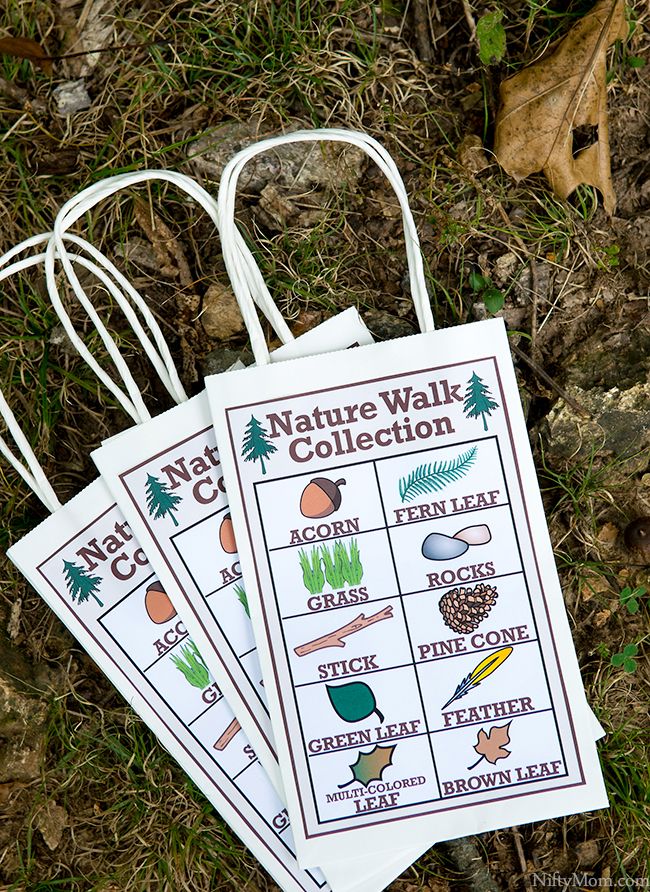
Scavenger hunts encourage observation, critical thinking, and teamwork. Create a list of natural items for students to find, such as pinecones, leaves, or rocks with specific features. To make it more challenging, incorporate riddles or descriptions instead of simply listing items.


Example: "I серпняю на дереві, Iaа a wise old creature, I have many arms, but never walk. What am I?" (Hint: Pinecone)
Natural Crafts and Art
Encourage creativity and fine motor skills with natural crafts and art projects. Children can collect materials like leaves, twigs, and pebbles to create collages, sculptures, or even instruments like leaf maracas.
For instance, have students create leaf animals by gluing multiple leaves together to form bodies and attaching googly eyes, cutout shapes, or other embellishments.


Physical and Cooperative Learning Games
Outdoor games help children develop gross motor skills, cooperation, and resilience. Incorporating educational elements into games makes learning fun and engaging.
Here are two outdoor games that promote physical development and teamwork:
Obstacle Courses
Design obstacle courses using readily available materials like cones, hula hoops, and jump ropes. Challenges can include crawling under "caves" (Create using chairs and sheets), balancing on "tightropes" (Jump ropes), or leaping over "lakes" (Hula hoops filled with water).




To add an educational twist, incorporate number or letter recognition tasks at each obstacle.
Tug of War with a Twist
Divide students into two teams and have them face off in a tug of war competition. To integrate learning, create a "word wall" or "number line" using a long rope or a series of ropes placed end-to-end. As one team pulls, the other must shout out responses to a question before their opponents can move the rope. For example, they could name animals that start with a certain letter or count by twos.
If the pulling team answers correctly, they get to keep the rope and move it closer to their side. If they're stumped or answer incorrectly, the other team gets a turn to pull.
Wrapping up, outdoor learning provides an invaluable opportunity for KS1 students to explore, experiment, and connect with the world around them. By incorporating nature-inspired activities and cooperative games into outdoor learning, educators can foster well-rounded, confident, and enthusiastic young learners. So, embrace the great outdoors and watch your students grow!
Related Articles

Enhance Outdoor Learning: Top 30 Immersive Education Lesson Ideas
Immersing students in nature through outdoor education lessons offers a plethora of benefits, including enhanced critical thinking, problem-solving skills...

EYFS Outdoor Learning Ideas: Fresh Inspirations for Hands-On Fun
The importance of outdoor learning for Early Years Foundation Stage (EYFS) children cannot be overstated. Exposure to nature stimulates sensory development...

Enhance Classroom Learning: Top Outdoor Education Ideas
Transforming traditional learning environments into engaging, interactive outdoor spaces has gained significant traction in recent years. By harnessing the...

Outdoor Learning Activities for Toddlers: Fun, Hands-On Ideas
Immerse your toddler in the vibrant world of nature with engaging outdoor learning activities. Beyond play, these experiences help cultivate curiosity, boost...

Outdoor Learning Ideas for Year 1 & Kindergarten
Immersing young learners in the great outdoors can be a rewarding and enriching experience, boosting their cognitive development, creativity, and physical...

Outdoor Patio Name Ideas
Create a welcoming and functional atmosphere for your patrons, enhance your curb appeal, and boost revenue with the right outdoor seating setup. But what...