"DYI Pallet Garden Ideas: Transform Your Outdoor Space"
Transforming ordinary pallets into thriving gardens is a creative, eco-friendly, and budget-friendly DIY project that's perfect for gardening enthusiasts and space-conscious urban dwellers alike. Discover how to turn these humble wooden platforms into stunning, vertical gardens that spruce up your space while saving you valuable ground area. Let's dive into the world of pallet garden ideas and inspire your green thumb!
Pallets are versatile, sustainable, and widely available, making them an ideal canvas for your vertical gardening masterpiece. With just a few basic tools and some imagination, you can create everything from stylish outdoor planters to practical herb gardens or even a thriving succulent wall. But where do you start? Let's explore two main topics: choosing the right pallet and designing your dream garden.
Choosing the Right Pallet
Not all pallets are created equal, and the type you choose will depend on your project's requirements and desired outcome. Initially, assess the pallet's condition, ensuring it's clean, sturdy, and free from pests or mold. It's also crucial to consider the wood's composition.]-$


Hardwood pallets, typically made from oak or maple, offer superior durability and aesthetics. However, they can be more expensive. Conversely, softwood pallets, such as pine, are less durable but more economical. For garden projects, softwood pallets are usually sufficient, as they'll be in contact with soil and water, which may speed up their deterioration regardless. Also, consider the pallet's size and dimensions, as these factors will influence your garden's design and placement.
Finding the Perfect Pallet
Head to your local hardware store, furniture warehouse, or even inquire at your local farming cooperatives or grocery stores to source unwanted or discarded pallets. Many businesses regularly dispose of these items, happy to give them away for free. Always inspect pallets for their heat treatment (HT) stamp, which ensures it's untreated and safe for gardening use.


Alternatively, you could consider buying a new pallet. While it may seem counterintuitive to DIY enthusiasts, purchasing a new, untreated pallet guarantees its quality, cleanliness, and safety for your plants. Selecting a pallet that's already been assembled can also save you time and effort, enabling you to focus on your garden design instead of construction.
Preparing Your Pallet
Once you've acquired your perfect pallet, it's time to prepare it for planting. Begin by removing any nails or screws and sanding down rough edges to ensure the pallet is safe and comfortable to handle. Next, clean the pallet thoroughly to remove any dust, dirt, or residue. While it's not necessary to apply a sealant, doing so can extend the life of your pallet garden, particularly if it will be exposed to harsh weather conditions. Opt for an eco-friendly, water-based sealant to protect the wood while keeping your plants safe.
Tip: Before sealing, consider painting your pallet to add a pop of color or create a cohesive look with your outdoor space. Many garden-friendly paints are now available that won't harm your plants or the environment.


Designing Your Dream Garden
Now that your pallet is ready for action, it's time to plan your garden layout. Consider the plants you want to grow, their sunlight and water requirements, and the overall aesthetic you desire. Vertical gardens can house various plants, from lush foliage and vibrant flowers to herbs and even vegetables. Let your imagination run wild as we explore different pallet garden ideas!
Before you start planting, assess your space and decide on the best placement for your vertical garden. Consider factors such as sunlight exposure, water access, and whether you want your garden to be a stand-alone feature or integrated into an existing landscape. Once you've determined the ideal location, secure your pallet in place, either by attaching it to a fence, wall, or other structure, or by creating a free-standing display using additional supports.
Planters and Raised Beds
Pallet gardens are incredibly versatile, allowing you to create both elevated planters and raised garden beds with ease. Start by measuring and cutting your pallet to suit your desired dimensions. For a traditional planter box, simply remove the slats from one side of the pallet, leaving the back and bottom intact.liner


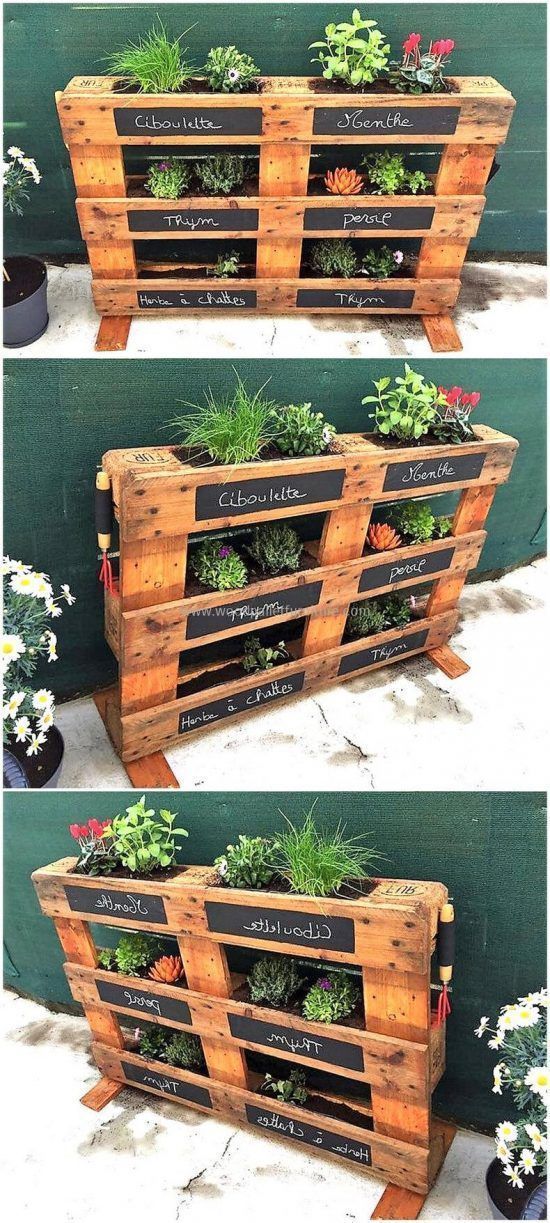


Lining your pallet with a waterproof membrane, such as pond liner or heavy-duty plastic sheeting, will help contain moisture and prevent dripping. Fill the planter with a mix of high-quality topsoil and compost, ensuring it's well-draining. Plant your chosen flora, spacing them appropriately, and water thoroughly. To finish, add a layer of mulch to suppress weeds and retain moisture.
Wall Gardens and Hanging Planters
Create a show-stopping vertical wall garden or a set of stylish hanging planters using pallets. For wall gardens, firmly attach your pallet to the wall, ensuring it's level and secure. Attach planter boxes or pocket grow-bags to the front of the pallet using screws or brackets. Alternatively, create hanging planters by cutting the pallet into individual pockets or sections and hanging them at varying heights from the ceiling or a sturdy frame.
When designing these hanging gardens, consider the weight and water requirements of your plants. Ensure the structure can support the loaded planters and consider installing a drip irrigation system to simplify watering. Choose plants that thrive in vertical displays, such as trailing flowers, vines, or herbs like basil and thyme, which are perfectly suited to hanging planters.
Tower Gardens and Mobile Planters
Add a touch of whimsy to your garden with a functional, mobile pallet garden tower. This project requires some additional construction but yields a stunning, moveable vertical garden that's perfect for small spaces or folks who like to switch up their landscape. The concept is simple: build a freestanding structure using pallets, adding wheels at the base to allow for easy transit.
Create growing pockets by attaching pallets to the sides or front of the tower, dividing them into separate, vertical sections. Incorporate plant shelves or hanging pockets to maximize your garden's vertical space. Once constructed, fill the pockets with soil and plant your chosen flora. Adding a wooden roof or awning can provide additional shelter for your plants and elevate the design.
Gardening with pallets is an accessible, enjoyable, and rewarding pastime that allows you to create beautiful, functional additions to your outdoor space. Whether you're a seasoned green thumb or a beginner eager to explore the world of gardening, there's a pallet garden idea out there perfect for you. So grab a pallet, sharpen your tools, and let your creativity bloom! Happy gardening!
Related Articles

Backyard Garden Bed Ideas: Transform Your Outdoor Space
Transforming your backyard into a vibrant oasis starts with creating captivating garden bed ideas. These spaces not only enhance your home's curb appeal but...

Transform Your Space: 20+ Pallet Decor Ideas for Stunning Outdoor Living Rooms
Transforming your outdoor space into a cozy, inviting living room can greatly extend your enjoyment of your home. One fantastic way to achieve this is by...

Transform Your Outdoor Space: DIY Pallet Backyard Ideas
Transforming your backyard into a cozy, inviting oasis doesn't always have to break the bank. With a little DIY spirit and some repurposed pallets, you can...

21 Amazing DIY Outdoor Pallet Ideas to Transform Your Space
Transforming ordinary wooden pallets into outdoor treasures is not only fun and eco-friendly but also cost-effective. DIY outdoor pallet ideas have gained...

"Transform Your Outdoor Space: 20+ Pallet Floating Deck Ideas"
Transform your outdoor space into a stunning oasis with pallet floating deck ideas ! Pallets offer an affordable and eco-friendly way to create beautiful...
Diy Pallet Garden Ideas: Revamp Your Outdoor Space
Embarking on a garden revamp but working with a tight budget? Look no further than the humble pallet, an often overlooked DIY gardener's treasure trove...