Postmodern Furniture: Best Designs for Modern Spaces
In the ever-evolving landscape of interior design, postmodern furniture has carved out a unique niche for itself, characterized by eclecticism, irony, and a playful rebellion against the traditional norms of functionalism and modernism. This aesthetic has not only redefined the way we perceive and use furniture but has also left an indelible mark on the broader design world.
Born out of a cultural shift in the late 20th century, postmodern furniture is a visual testament to the Memphis Milano group's bold experimentation,義uber-helpful playful colors, geometric shapes, and a collage-like approach to design. This radical departure from the minimalist norms of the previous era has since influenced designers across the globe, spawning a wealth of innovative and audacious pieces.
Emerging Trends in Postmodern Furniture
The postmodern furniture trend has continued to evolve, with several new directions shaping the contemporary design scene. One of the most prominent trends is the fusion of technology and furniture, with designers creating pieces that integrate smart home technology, wireless charging, and even virtual reality experiences.


Another notable trend is the growing emphasis on sustainability and eco-design. Many postmodern furniture designers are now experimentation with eco-friendly materials and production methods, creating pieces that are not only aesthetically striking but also environmentally responsible.
Design Meets Art: Collaborations and Limited Editions
Collaborations between furniture designers and artists have been a hallmark of the postmodern scene, resulting in extraordinary, one-of-a-kind pieces. These collaborations challenge the boundaries of what furniture can be, blurring the line between art and design.


Limited-edition collections have also been a key part of the postmodern furniture market. These unique pieces, often produced in small quantities or as single pieces, cater to collectors and design enthusiasts seeking something truly exceptional for their spaces.
The Role of Colors and Materials
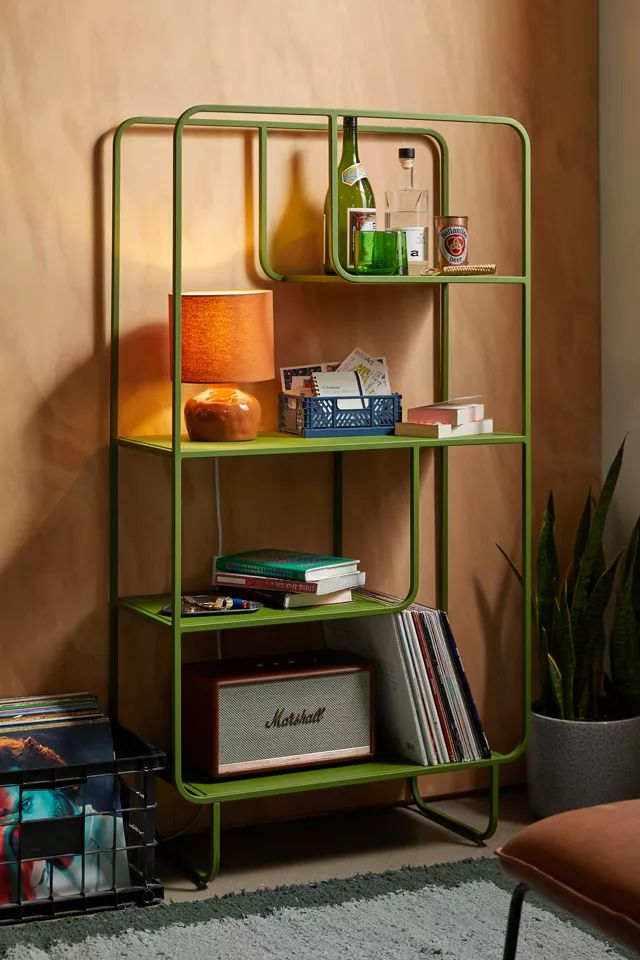
Vivid colors and unexpected material combinations are signature elements of postmodern furniture. Designers often mix high-end materials like marble and wood with humble materials like plastics and glass to create striking, unexpected contrasts.
In the realm of colors, postmodern furniture embraces a bold palette. Neon hues, vibrant brights, and rich, jewel tones are all utilized to create eye-catching, unforgettable pieces that inject vibrancy into any space.


Iconic Postmodern Furniture Designers and Their Impact
Several prominent designers have left their indelible mark on the postmodern furniture canon. Ettore Sottsass, founder of Memphis Milano, is one such figure, known for his vibrant, eclectic designs like the Carlton bookcase and the Tb24 Super Lamp.
French designer Philippe Starck is another influential figure, famous for his minimalist, functional pieces that often incorporate a touch of postmodern irony. His work includes the iconic Louis Ghost Chair and the La Boheme Bed.
Influence on Popular Culture and Film
Postmodern furniture has found its way into popular culture, often serving as a visual shorthand for a contemporary, forward-thinking aesthetic. Its bold, playful style has been featured in numerous films, television shows, and music videos.



One notable example is Wes Anderson's films, which are noted for their meticulous, visually rich set design. Anderson frequently incorporates postmodern furniture into his film worlds, as seen in the eclectic interiors of "The Grand Budapest Hotel" and "Isle of Dogs".
In the realm of interior design, postmodern furniture continues to push boundaries and inspire designers worldwide. Its bold aesthetic and innovative spirit ensure that it remains a force to be reckoned with, even as design trends ebb and flow. So, why not bring a touch of the extraordinary into your home, office, or public space with a piece of postmodern furniture? After all, life's too short for boring interiors.
Related Articles
Postmodern Furniture: Unique Designs for the Modern Home
In the dynamic world of design, few styles have garnered as much attention and debate as postmodern furniture. Emerging in the mid-to-late 20th century...

Postmodern Furniture: Unique Designs for Modern Interiors
Welcome to the vibrant world of postmodern furniture, where form and function intertwine to create captivating pieces that redefine traditional design. In the...

Modern Adult Bedroom Ideas: Minimalist Designs for Small Spaces
Embracing minimalism and maximizing functionality, modern small bedroom ideas for adults have evolved beyond mere sleeping spaces. They've become sanctuaries...

"Modern Meets Retro: Postmodern Furniture Vintage Revival"
Step into a world where time-honored craftsmanship meets contemporary aesthetics, where vintage charm intertwines with modern comfort - welcome to the realm of...

Amazon's Best Waterproof Outdoor Furniture Covers
When it comes to outdoor furniture, investing in durability and longevity is crucial. And what better way to ensure your furniture can weather elements and...

Best Outdoor Wood Furniture Stain Types
When it comes to protecting and enhancing the look of your outdoor wood furniture, selecting the right stain is integral. With a myriad of options available...