Top Wall Materials in the Philippines
The Philippines, an archipelago nation graced with a tropical climate and vibrant culture, presents unique challenges and opportunities when it comes to choosing wall materials. With a diverse landscape ranging from urban cities to rural villages, and occasional threats from natural disasters, the selection of durable, functional, and aesthetically pleasing wall materials is crucial. This guide explores a range of wall materials widely used in the Philippines, highlighting their unique characteristics, benefits, and drawbacks.
Before delving into the various wall materials, it's essential to consider the Philippines' climate, building codes, and traditional architecture. The archipelago experiences a tropical marine climate, with high temperatures, humidity, and pronounced wet and dry seasons. Building materials must withstand these conditions while maintaining structural integrity and longevity. Additionally, adherence to the National Building Code of the Philippines is mandatory to ensure safety and compliance with construction standards.
Conventional Wall Materials in the Philippines
Classical Filipino architecture showcases materials native to the islands, reflecting the country's rich history and deep connection to the environment. This section explores some of these time-honored wall materials and their contemporary applications.


Aesthetically pleasing and eco-friendly, these traditional materials contribute to the country's unique architectural identity and sustainable practices.
Bamboo
Bamboo, a fast-growing and highly sustainable material, has long been used in Philippine architecture for walls and fences. Its tensile strength and flexibility make it an excellent choice for construction, while its attractive appearance lends a natural, rustic charm. Bamboo can be employed as a primary building material or used in combination with other materials to create stunning, eco-friendly structures.


Examples of bamboo architecture in the Philippines include the Bamboo School in Bangui, Ilocos Norte, designed by Architect Brillante Nisperos, and the Bamboo Bus Stop in San Pablo, Laguna, created by Architect Edgar Canoniga. Both projects demonstrate the potential of bamboo as a sustainable and versatile wall material.
Anahaw and other thatched materials
Anahaw, a type of palm found in the Philippines, has been used for centuries as roofing and walling material in traditional homes. Its wide leaves provide excellent insulation, protecting interiors from the sun's harsh rays and keeping them cool during hotter months. Other thatched materials, such as nipa palm and cogon grass, also play significant roles in traditional Filipino architecture.
While primarily used in rural areas, these materials are gaining popularity in urban settings as well, thanks to their eco-friendliness, aesthetic appeal, and thermal insulation properties. The Philippe broadcast and production facilities in Quezon City, for instance, incorporate anahaw thatching in their design, blending modern architecture with traditional Filipino aesthetics.


Contemporary Wall Materials in the Philippines
The Philippines' rapid urbanization and modern architectural trends have led to the adoption of new, innovative wall materials. This section focuses on some of these materials and their applications in contemporary Philippine architecture.
These materials cater to the demands of modern living, offering durability, functionality, and stylish appearances.
Concrete and Cement Blocks
Concrete and cement blocks have become staple construction materials in the Philippines due to their strength, durability, and relatively low cost. They are widely used in both residential and commercial buildings, providing solid structures capable of withstanding the country's tropical climate and seismic activity.


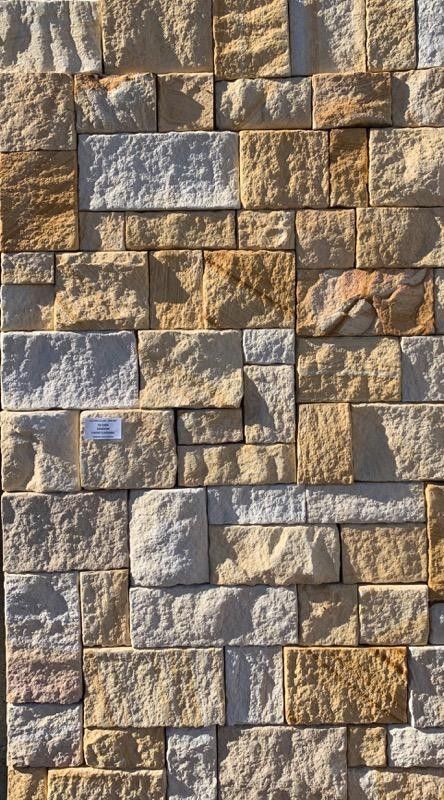
Available in various sizes and densities, concrete and cement blocks can be finished to achieve different textures and appearances. Popular finishes include plain, split-face, and sand-finished surfaces, allowing architects to create unique, aesthetically appealing structures like the/output of Concrete and Cement Blocks in architecture.
Vinyl and Aluminum Cladding
Vinyl and aluminum cladding offer a modern, low-maintenance alternative to traditional wall finishes. These durable materials come in a variety of colors, textures, and profiles, enabling architects to create striking facades that appeal to contemporary tastes.
Vinyl and aluminum cladding systems are also efficient insulators, helping to reduce energy consumption by regulating interior temperatures. Notable examples of buildings featuring vinyl and aluminum cladding in the Philippines include the SM Mall of Asia in Pasay City and the Ayala Land Premier development in Makati.
In the Philippines' ever-evolving architectural landscape, the choice of wall materials plays a critical role in balancing cultural heritage, sustainability, and modern design aesthetics. As new materials and construction techniques emerge, the future of Philippine architecture promises to be even more innovative and exciting. Embracing this future, while remaining rooted in the country's rich architectural past, ensures that the Philippines will continue to thrive as a vibrant, culturally significant, and sustainable architectural destination.
Related Articles

Top Filipino Interior Wall Materials: Types & Benefits
When it comes to designing interiors in the Philippines, the variety of wall materials available can be both exciting and overwhelming. Each type of wall...

Affordable Retaining Wall Ideas: Cheapest Materials & DIY Tips
When it comes to constructing a retaining wall, finding the most cost-effective material is crucial for any homeowner or DIY enthusiast. While the cheapest...

Cheap Wall Covering Materials: A Budget Guide
When it comes to covering walls, budget is often a significant factor. The market offers a wide range of materials, but finding the cheapest option that still...

Best RV Interior Wall Options: Insulation, Materials, & Tips for 2023
When furnishing your RV for long-term living or even short trips, the interior walls often form the backdrop for your space. Choosing the right material to...

Wall Stickers for Living Room: Boost Your Interior Design in 2023
Creating a welcoming and engaging atmosphere in your living room can be a breeze with the right wall stickers. These decals aren't just for kids' rooms...

Exceptional Outdoor Patio Ideas for the Philippines
Transform your outdoor space into a paradise with our curated outdoor patio ideas perfect for the Philippine climate. Whether you're looking to create a cozy...