Wet Kitchen Asia: Authentic Asian flavors come to life
In the heart of Asian culture, the concept of a "wet kitchen" is a fascinating blend of tradition, functionality, and aesthetics. Also known as a "wok kitchen," it's a testament to the region's deep culinary roots and its love for cooking, particularly with ingredients like rice, noodles, and an array of fresh produce.
At the core of a wet kitchen lies its unique design, centered around a large, cylindrical sink or "steaming well" that serves as the hub of activity. This design not only adds to the charm of the space but also enhances its efficiency, making it a quintessential part of Asian homes and restaurants.
The Role of Wet Kitchens in Asian Culture
A wet kitchen plays a pivotal role in Asian culture, serving as a crossroads of family interaction, tradition, and culinary craftsmanship. It's where recipes passed down through generations are brought to life, creating a symphony of flavors and memories.
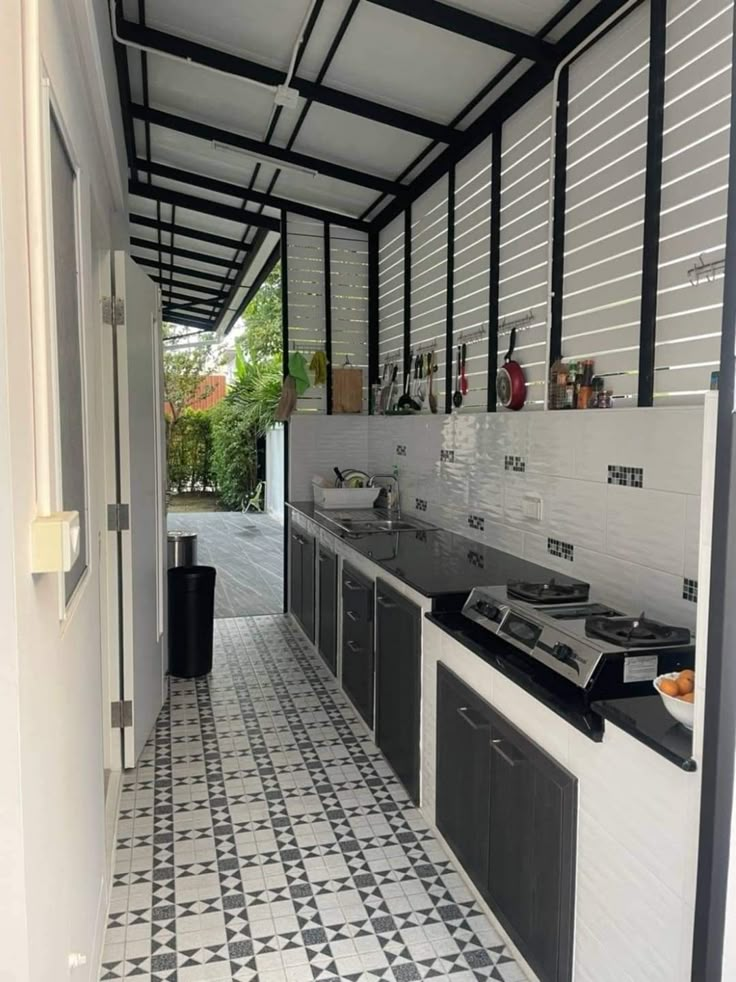


In many Asian homes, cooking is a communal activity, with family members often lending a hand or sharing stories while meals are being prepared. The wet kitchen, with its open layout and central workstation, encourages and facilitates this communal spirit.
Historical Significance
Wet kitchens have a rich historical significance, deeply rooted in the concepts of balance and harmony, which are central to Asian culture. The design of these kitchens often reflects traditional architectural principles, embodying the essence of balance in form, function, and aesthetics.


For instance, in Chinese architecture, the wet kitchen is typically located in the northeast corner of the home, a placement that symbolizes water, which is considered the source of life and abundance in feng shui.
Culinary Pivotal Point
A wet kitchen is also the epicenter of Asian gastronomy, where ingredients are washed, vegetables chopped, and woks tended to with skill and passion. It's where the rhythmic dance of cooking comes to life, with the sizzle of ingredients in a hot wok, the quick toss of a spatula, and the hum of conversation filling the air.
From stir-fries to soups, from noodle dishes to dim sum, the wet kitchen is where the magic happens, where culinary heritage meets creativity, and where generations of cooks have honed their craft.


The Evolution of Wet Kitchens in the Modern World
The wet kitchen, though rooted in tradition, has evolved to fit the needs of the modern world. Today, it can be found not just in traditional Asian homes but also in contemporary dwellings, restaurants, and even in the hearts of urban dwellers who enjoy cooking.
While the core principles of functionality and efficiency remain unchanged, modern wet kitchens have incorporated design elements that cater to contemporary tastes. From sleek, high-quality materials to smart technology, these kitchens offer the best of both worlds: the warmth and nostalgia of tradition and the convenience and efficiency of modernity.
Design Adaptations
Contemporary wet kitchens often featuredesign elements that combine function and aesthetics seamlessly. For instance, many modern kitchens have replaced traditional stone or clay stoves with induction cooktops, which not only look sleek and modern but are also more energy-efficient.


Moreover, modern wet kitchens often incorporate smart technology, such as automated Adler faucets or water filtration systems that make the cooking process more convenient and efficient.
Cultural Preservation
Despite these changes, the essence of the wet kitchen remains the same: a space that encourages interaction, preserves culinary heritage, and reflects cultural values. In a world that's increasingly fast-paced and digital, the wet kitchen serves as a reminder of the importance of slowing down, connecting with others, and appreciating the art of cooking.
It's this combination of tradition and modernity, functionality and aesthetics, that makes the wet kitchen such a compelling and enduring concept in Asian culture. Whether in a bustling city apartment or a rural family home, it continues to hold a special place in the hearts of Asians and food enthusiasts worldwide.
So, whether you're an avid cook, a culture enthusiast, or simply someone who appreciates good food and design, exploring the wet kitchen is an enriching experience that offers insights into the vibrant tapestry of Asian culture.
Related Articles

BBQ & Soul Food Kitchen: Authentic Flavors Await
The smoky aroma of hickory wood and the tantalizing medley of spices wafting through the air can only mean one thing - you're in the vicinity of a genuine BBQ...

Moroccan Saffron LLC: Premium Quality Spice for Authentic Flavors
Nestled in the heart of North Africa, Morocco is renowned for its rich culinary heritage, vibrant culture, and profound history. Among its many treasures, one...

Rustic Kitchen Image Gallery: Cozy & Authentic Design Inspiration
Welcome to a world of warmth and charm, where the aroma of freshly baked bread melds with the rich scent of aged wood. We're talking about rustic kitchens, the...

Zomi Central Kitchen: Authentic Cuisine at Your Doorstep
Embarking on a culinary journey through the vibrant flavors of Southeast Asia, one kitchen stands out as a beacon of authenticity and passion - Zomi Central...

Exploring the Authentic Australian Outback Life
The Australian Outback, a term that evokes images of wide, red earth landscapes dotted with sparse vegetation andịthe iconic kangaroo and emu, is a vast and...

Perfect Kansas City BBQ Seasoning: Authentic Flavors for Your Grill
Welcome to the flavorsome world of Kansas City BBQ seasoning! This iconic blend is not just a seasoning; it's a culinary passport that transports your taste...