The ABCs of Food & Nutrition Security: Essential Components Explained
Food and nutrition security, a critical aspect of human life and well-being, is achieved when all people, at all times, have physical, social, and economic access to sufficient, safe, and nutritious food that meets their dietary needs and food preferences for an active and healthy life.
Understanding the basic components of food and nutrition security helps in addressing this complex global challenge. These components are interconnected and can be categorized into five main aspects: availability, accessibility, utilization, stability, and nutrition quality.
Availability
The first step towards food and nutrition security is ensuring the availability of sufficient quantities of food. This can be achieved through sustainable agricultural practices, efficient food production systems, and effective food storage practices to reduce post-harvest losses.


However, mere availability is not enough. It's crucial to consider the diversity of food sources to ensure a balanced diet. crop diversification, integrated farming, and sustainable fishing practices can help achieve this.
Sustainable Agricultural Practices
Crop rotation, mixed farming, and the use of organic fertilizers are examples of sustainable practices that improve soil health and increase agricultural productivity.


Agricultural practices must also consider the impact of climate change and armed conflicts. Climate-smart agriculture and peace-building initiatives can help mitigate these risks and ensure long-term food availability.
Efficient Food Production Systems and Storage
Modern farming practices, technology, and infrastructure can increase crop yields and reduce post-harvest losses. Examples include irrigation systems, improved seed varieties, and cold storage facilities.
Efficient supply chain management, including transportation and market infrastructure, also plays a critical role in ensuring food is available when and where it's needed.


Accessibility
Accessibility refers to individuals' ability to obtain or acquire appropriate foods for a nutritious diet. This involves consideration of economic, physical, and social factors.
Economic accessibility is crucial as it ensures people have enough resources, such as income or other economic resources, to gain access to food. Physical accessibility refers to the distance and transportation issues that may hinder people from reaching food sources. Social accessibility, meanwhile, considers how norms and practices within society influence food access.
Economic Accessibility
Household income, expenditure, and coping strategies significantly impact access to food. Social safety nets and cash transfer programs can help low-income households afford nutritious foods.


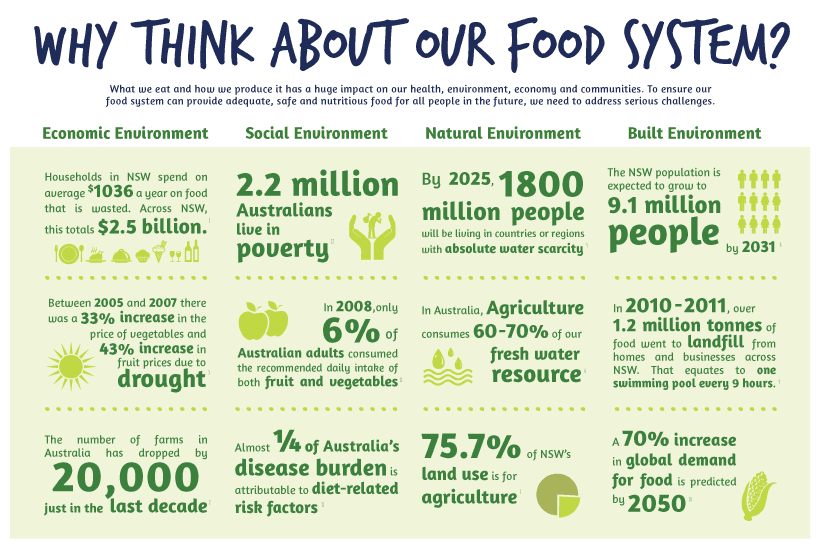


Affordable prices and fair trade practices also play a crucial role in ensuring economic accessibility of nutritious foods.
Physical and Social Accessibility
Infrastructure development, such as roads and markets, can reduce physical barriers to food access. Community-based organizations and cooperatives can also improve physical accessibility by connecting farmers directly to markets.
Social norms, such as gender roles and cultural practices, can influence food access and diet quality. Education and empowerment initiatives, particularly for women and girls, can challenge harmful practices and improve food access and utilization.
Utilization
Utilization refers to how individuals consume, absorb, and use food within the body. This involves adequate preparation, cooking, and eating habits as well as appropriate food choices based on nutritional needs.
Health-seeking behaviors, including visiting health facilities, also influence food utilization. Understanding proper breast and complementary feeding practices is crucial for infants and young children.
Food Preparation, Cooking, and Eating Habits
Good hygiene practices during food preparation and cooking can help prevent foodborne diseases. Home gardens and kitchen gardens can also improve household food security by providing fresh, nutritious foods.
Proper storage and preservation techniques can reduce post-harvest losses and ensure the availability of nutritious foods throughout the year.
Appropriate Food Choices and Health-seeking Behaviors
Dietary diversity and consuming a variety of foods throughout the day can improve nutrient intake. Eating fruits and vegetables, consuming adequate proteins, and reducing intake of unhealthy fats and sugars is crucial.
Regular visits to health facilities can help prevent and treat diseases, ensuring optimum nutrient absorption and use within the body.
Stability
Stability, or food insecurity, refers to the lack of reliable access to enough safe and nutritious food. It can occur due to sudden shocks, such as natural disasters or conflicts, and long-term stressors, like chronic poverty and illness.
Ensuring stability is key to achieving long-term food and nutrition security. This involves improving coping mechanisms, enhancing early warning systems, and developing effective response measures to food crises.
Improving Coping Mechanisms
Households facing food insecurity often resort to coping strategies, such as selling assets or reducing meals. Promoting alternative coping strategies, like saving, borrowing, or participating in social safety nets, can help mitigate the impact of food crises.
Building resilience through diversification of livelihoods, agricultural practices, and producer organizations can improve households' ability to cope with and recover from food insecurity.
Early Warning Systems and Response Measures
Early warning systems, such as the Global Information and Early Warning System (GIEWS), can help countries monitor and analyze food security trends. Automation and data integration can improve the accuracy and timeliness of these systems.
Effective response measures, including food assistance, livelihood support, and nutrition care, can help mitigate the impact of food crises and prevent unacceptable levels of food insecurity.
Nutrition Quality
Nutrition quality refers to the quantity and nutritional content of food. Ensuring that food is safe, diversified, balanced, and provides essential nutrients is crucial for good health and well-being.
Quality considerations start from producers, who should adopt good agricultural practices that enhance the nutritional value of crops. Post-harvest management practices, such as reduction of aflatoxin contamination, are also crucial.
Good Agricultural Practices and Biofortification
Improved farming practices can enhance the nutritional content of crops. For example, zinc fertilization can improve the zinc content of various crops.
Biofortification, a process of increasing the micronutrient content of staple crops through plant breeding or agronomic practices, can improve the nutritional quality of food commodities.
Post-Harvest Management and Food Safety
Proper food handling, storage, and processing can reduce post-harvest losses and preserve food quality. This includes practices like solar drying,-hand washing, and cooking with clean fuel.
Regularly monitoring and enforcing food safety standards can prevent and control foodborne diseases, maintaining the quality and safety of nutritious foods.
In closing, achieving food and nutrition security requires a holistic and integrated approach that addresses the multiple aspects and root causes of food insecurity. From sustainable food production to safe food consumption, everyone has a role to play in creating a world where no one lives in hunger or malnutrition. Let's commit to taking action and working together for a future where everyone has access to sufficient, safe, and nutritious food that meets their dietary needs and food preferences for an active and healthy life.
Related Articles

Unraveling Your Outdoor Faucet: Essential Components Explained
ever wondered what makes your garden hose work? Beneath the simplistic nozzle lies a complex network of components that ensure a steady flow of water. Let's...

Understanding Your Frame: Essential Components Explained
Every bicycle frame comprises a collection of components that provide the structure and support for the entire bike. It's the skeleton that upholds the...

Outdoor Kitchen: Essential Components Explained
Planning to upgrade your outdoor living space? An outdoor kitchen can transform your deck or patio into an idyllic dining and entertaining area. But what...
What is Food and Nutrition Security?
Food and nutrition security is a critical global concern that affects both developed and developing nations. At its core, it's about ensuring all people, at...

The Anatomy of Outdoor HVAC Units: Essential Components Explained
When it comes to understanding and maintaining the overall functionality of your home's heating, ventilation, and air conditioning (HVAC) system, it's...

Understanding Kitchen Gardens: A Key to Food & Nutrition Security
A kitchen garden, also known as a potager, is not just a mere plot of land dedicated to growing culinary herbs and vegetables. It is a tangible step towards...