What To Do With a Dead Bird: Humane & Responsible Options
Discovering a dead bird in your yard or any other location can be an unpleasant experience, but it's important to know that there are appropriate ways to handle this situation. This guide will walk you through various steps you can take, ranging from what to do with the bird immediately to how you can prevent such instances in the future.
Before we delve into the details, it's crucial to remember that dead birds may carry diseases, so always prioritize safety when interacting with them. Let's begin by exploring the immediate actions you should take with the bird.
Handling the Dead Bird
The first and most important step is to ensure the bird is indeed dead. Birds can sometimes appear lifeless while still being alive. If you're unsure, observe it from a distance for any signs of life, such as breathing or movement. If it's deceased, proceed with caution.


Safety First: Gloves and Disinfectant
Put on a pair of disposable gloves to protect yourself from any diseases the bird might be carrying, such as West Nile virus or avian flu. Ensure you have a disinfectant spray or wipes with you as well, to clean any surfaces the bird has come into contact with.
Removing the Bird
Carefully pick up the bird using gloves, and place it in a plastic bag. Seal the bag tightly, and dispose of it in an outdoor trash can or bin. If the bird was located indoors, clean the area thoroughly with your disinfectant.


Identifying the Cause of Death
While it's not always possible to determine the cause of death, there are a few signs you can look for. These can help you understand the situation and act accordingly.
Injuries or Predatory Marks
If the bird shows signs of injury, such as broken bones or feathers torn from the body, it may have died due to an attack by a predator or as a result of a window collision. Keep this in mind, as it might influence your future actions.
Disease or Illness
Certain diseases can cause birds to exhibit unusual behaviors or physical abnormalities before they die. Some common signs include lethargy, labored breathing, disheveled feathers, or unusual discharge from the eyes, nares (nostrils), or mouth. If you suspect the bird may have died from a disease, notify local wildlife rehabilitators or your state's department of wildlife resources.


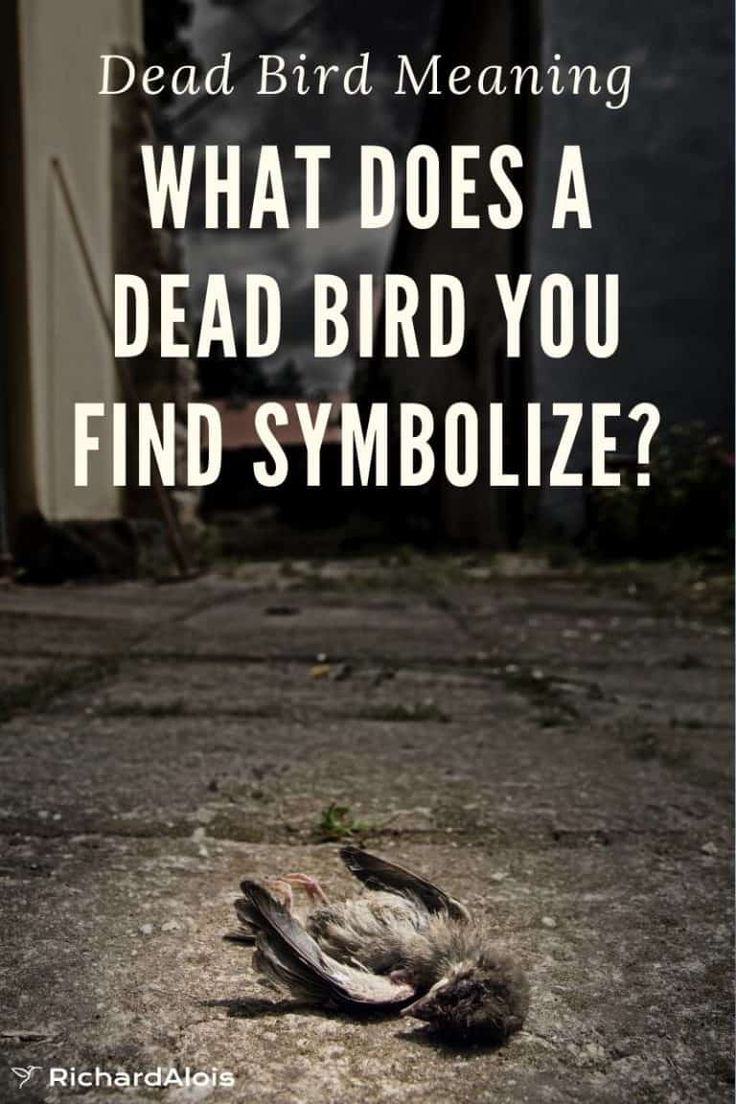

What to Do After Removing the Bird
Once the bird has been removed, there are several steps you can take to address the situation:
Cleaning the Area
Use your disinfectant to clean any surfaces the bird may have come into contact with. Be sure to dispose of any cleaning materials in a sealed plastic bag and throw them out with regular trash.
Preventing Future Incidents
If the bird died due to a collision with a window, consider installing window decals or feeders to deter birds from flying into your windows. If you suspect a predator, installing a bird feeder with a baffle can help protect birds from predators like snakes or cats.


Recognizing the Importance of Post-Mortem Examinations
In some cases, it may be beneficial to have the bird's remains examined by a professional. This can provide valuable insights into the bird's health, the cause of death, and potential risks to other birds or humans.
Contacting Local Experts
Reach out to your local wildlife rehabilitators, veterinarians, or state department of wildlife resources to inquire about post-mortem examinations. They can guide you through the process and explain if it's necessary or recommended in your specific situation.
Documenting the Findings
If a post-mortem examination is conducted, the results can contribute to scientific research, helping researchers better understand bird health and behavior. This information can inform future conservation efforts and help protect birds from various threats.
In the end, it's essential to remember that the death of a bird, while unfortunate, can provide valuable insights into the health of your local bird population and the environment. By taking appropriate actions and learning from these situations, we can help create safer and healthier habitats for birds to thrive in.
Related Articles

Handling Dead Squirrels in Your Yard: 7 Humane Steps
Discovering a dead squirrel in your yard can be unpleasant and may leave you wondering what to do next. Dealing with deceased wildlife might seem challenging...

Handling a Dead Baby Possum: A Humane & Safe Guide
Encountering a deceased baby possum, or any wildlife for that matter, can be quite distressing. It's important to remember that these instances, while...

Deer Deceased: Safe & Humane Disposal
Discovering a dead deer on your property or during a hike can be an unfortunate and somewhat unsettling experience. It's important to handle this situation...

Dealing with Dead Wildlife in Your Backyard: A Humane Guide
If you've discovered a dead animal in your backyard, it's important to handle the situation with care and immediacy. Not only can decomposing animals attract...

Disposing of a Dead Squirrel: humane and safe removal
Discovering a deceased squirrel on your property can be unsettling, but it's important to handle the situation safely and responsibly. This guide will walk you...

Deer Deceased on Property: Proper Disposal & Next Steps
Discovering a deceased deer on your property can be disturbing and demand immediate action. This guide outlines the best and most humane ways to handle this...