What is a Covered?
Imagine you're playing a game of hide and seek. You could be the seeker, dichotomously scanning every nook and cranny, or the seeker, concealed behind a veil of objects, "covered" from sight. This concept of being "covered" is a fundamental and versatile one, permeating various aspects of our daily lives, and yet, many of us don't give it a second thought.
Covered, in its simplest form, is an adjective that describes something that is not exposed or visible. It's an umbrella term, shelters a multitude of meanings, from being protected or concealed, to being provided with something sufficient - like being covered by insurance or the rain. Let's delve deeper into this multi-faceted word, exploring its nuances across different contexts.
Covered in Nature and the Built Environment
In the realm of nature and architecture, "covered" is predominantly used to describe physical protection or concealment. Picture a dense forest, where trees are covered in lush, green leaves, shielding the forest floor from sunlight. Or consider a house, "covered" with a sturdy roof, safeguarding its inhabitants from the elements.


Furthermore, "covered" is synonymous with "canopied" in this context. A canopy is an overhead covering or ceiling, providing protection and concealment. For instance, a well-covered bridge offers shelter to pedestrians from rain and sun, creating a harmonious blend of functionality and aesthetics.
Concealed and Protected: Natural Cover
Nature employs a wide range of "cover" to facilitate survival. A burrow provides cover for small animals, shielding them from predators and harsh weather conditions. Similarly, camouflage, nature's masterstroke, allows animals to merge with their surroundings, becoming nearly undetectable to potential threats.


Take, for example, the strawberry tigerfish. Its vibrant orange and black stripes mimic the shafts of light filtering through the forest canopy, providing it with potent protection against predators and prey alike. This stunning disappearing act, enabled by nature's "cover", is a testament to the power of concealment.
Urban Design and Infrastructure: Man-Made Cover
Human ingenuity has led to innovative "cover" solutions in urban design. For instance, a virus that affected the Sydney Opera House's sail-like roof was fought with a new coating, providing cover and protection. This proactive measure, a example of our ability to mimic nature's resilience, demonstrates how "cover" can be employed to safeguard our built environment.
Moreover, covered marketplaces, pedestrian malls, and underpasses are urban oases that provide respite from the sun, rain, and noise, enhancing usability and enjoyment. These examples showcase how effective use of "cover" can transform urban spaces into more inviting, livable environments.


Societal Coverage and Protection
Beyond physical concealment, "covered"也 plays a significant role in society, signifying protection, support, and provision. It often appears in phrases like "covered by insurance", "covered by the media", or being "covered in snow".
On the one hand, "covered" can imply support or provision, such as in healthcare, where a medical treatment might be covered by insurance. On the other, it can signify widespread awareness, like when a current event is covered by the news, bringing it into the public's limelight.
Insurance and Healthcare: Being Cared For
In the realm of insurance, to be covered is to have one's needs met, from medical expenses to property damage. It's a safety net, providing peace of mind and financial security. For instance, health insurance covers the cost of medical treatments, while home insurance covers property damage, guarding against potential financial loss.

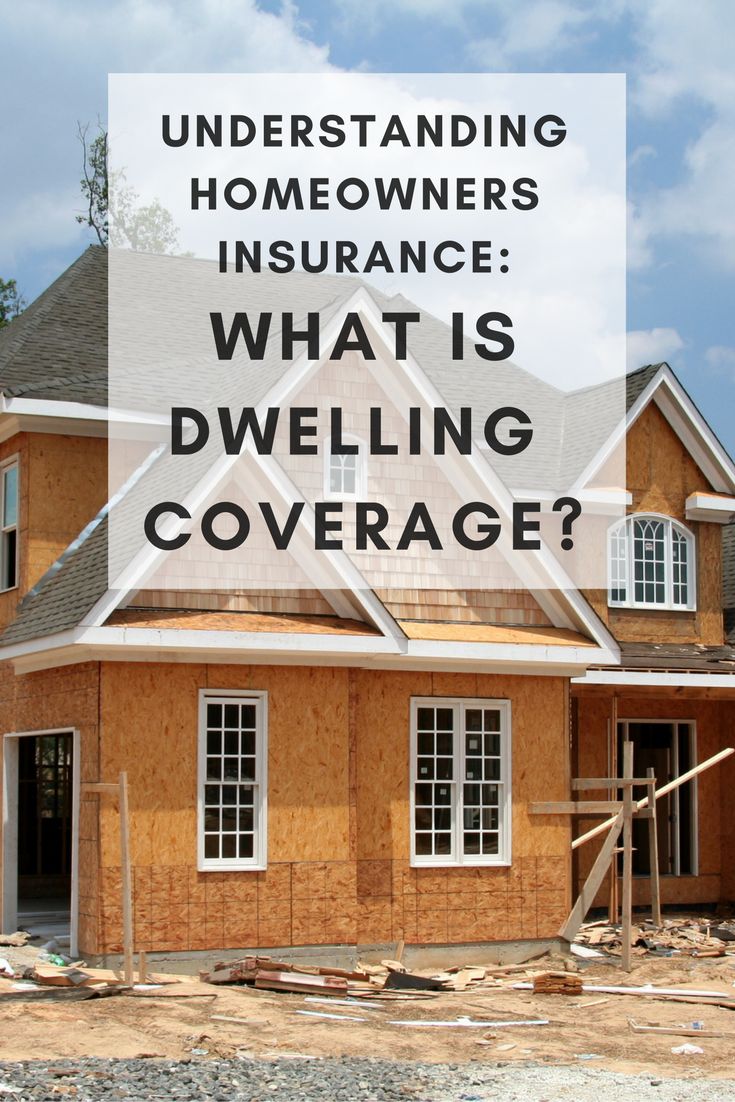


Similarly, in the context of healthcare, being covered implies receiving necessary care and treatment. This could be literal, like a bandage covering a wound, or figurative, such as receiving proper medical attention for an ailment. In both cases, "cover" is synonymous with care and provision.
Media Coverage: In the Spotlight
"Covered" in the context of media denotes extensive, in-depth treatment of a subject. It's when a news story isn't just briefly mentioned, but thoroughly examined and explored. For example, a political scandal covered by the media will be scrutinized, analyzed, and discussed at length, bringing it to the public's attention.
This type of "coverage" isn't always welcome, however. Celebrities may lament being " constants covered" by paparazzi, invasively surveilled and reported on. This underscores the duality of "coverage", which can provide protection and visibility, or, conversely, expose and intrude.
Understanding "covered" in all its iterations - from natural and architectural concealment to societal support and media spotlights - offers a fascinating peek into human ingenuity, ingenious mimicry, and irony. From the tangible to the abstract, this word weaves through the fabric of our daily lives, a testament to its versatility. As we look ahead, exploring new ways to employ "cover" in our ever-evolving world, let's remember to consider its multi-faceted nature, and how it can shield, provide, and reveal in equal measure. Isn't it time you reconsidered what it means to be covered?
Related Articles

Understanding Covered Parking: A Comprehensive Guide
Ever found yourself dreading a rainy day because it means navigating a parking lot armed with an umbrella? That's where covered parking comes to the rescue...

What Size Ceiling Fan for Covered Porch
Embracing the outdoors while enjoying the comforts of your home is a pleasure that a ceiling fan on your covered porch can enhance. But with so many sizes to...

What's the Risk of Selling a Covered Call Option
When it comes to income generation strategies in the stock market, few options are as intriguing as selling covered call options. This strategy allows...

Transform Your Porch: 15 Creative Ways to Use a Covered Outdoor Space
A covered porch, often an underappreciated asset, offers a myriad of opportunities to enhance your home's functionality, aesthetics, and even its value...

What are Living Quarters?
When pondering the phrase "living quarters," one immediately envisions a space designed for habitation, a place to call home. This comprehensive term...

Key Abiotic Factors Shaping Tropical Rainforests
Tropical rainforests, brimming with vibrant flora and fauna, are often characterized by their lush, verdant landscapes. However, the biodiversity and vitality...