"What is a Dirty Kitchen Philippines?"
The term "dirty kitchen" might evoke brows furrowing in the Philippines, where cleanliness is highly valued, especially in food preparation spaces. But what exactly does it mean, and how does it differ from the local perspective? Let's delve into the world of dirty kitchens and explore its context in the Philippines.
In the Philippines, the concept of a "dirty kitchen" is more about flexibility and less about hygiene. It's often associated with the adaptation of Western kitchens, which can be contrasting to the traditional Filipino kitchen setup.
Understanding the Western Concept of a Dirty Kitchen
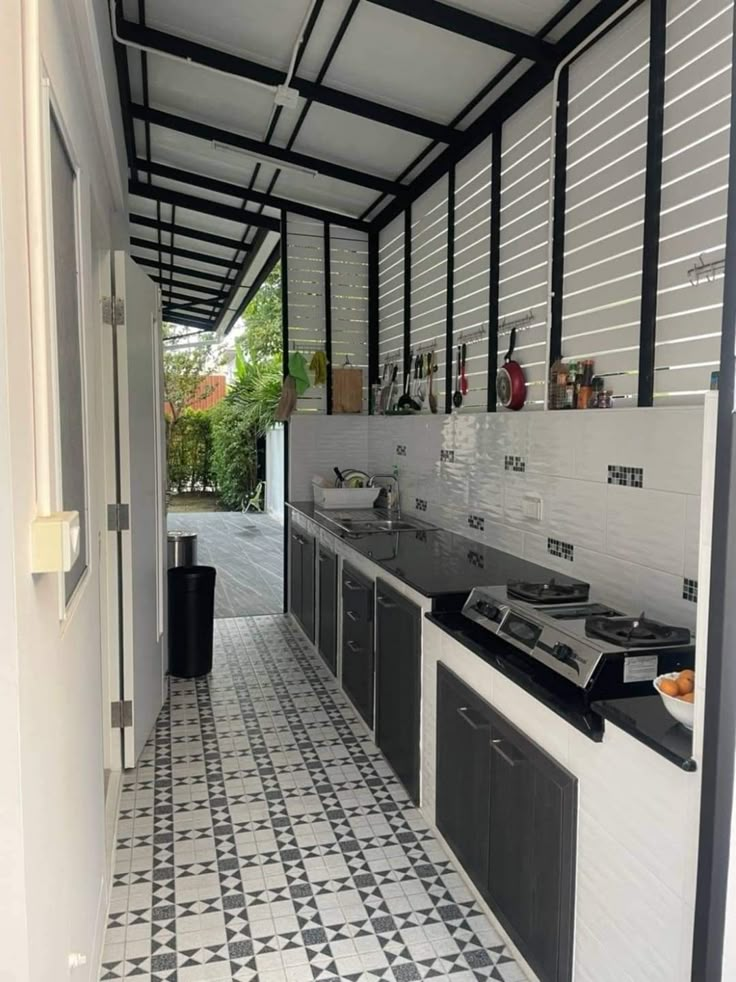
The Western concept of a dirty kitchen typically refers to a separate space in the home where messes and prepwork are contained. It's designed to keep the rest of the house clean and tidy. Think of it as a dedicated space for cooking and cleaning up, with no dining or seating areas.


In this context, 'dirty' doesn't necessarily mean unhygienic. It's more about the expectation that food preparation and cleanup can get messy, so it's best to have a dedicated space where that mess can be easily cleaned up.
Kitchen Layout
The layout of a dirty kitchen often includes a sink for washing hands, vegetables, and cooking utensils. It may also have cabinets for food storage and countertops for prepwork. However, it doesn't usually include dining tables, ovens, or seating areas.


Benefits and Drawbacks
Proponents of dirty kitchens argue that they allow for better control over messes, making cleaning up more efficient. However, they can also be less convenient for those who enjoy cooking and dining in the same space.
The Filipino Kitchen: A Cultural Perspective
In the Philippines, kitchens are often more integral to family life. They're designed to be not just places for cooking but also for dining, socializing, and even sleeping (in kamagong or communal living spaces).
In such a setting, the concept of a 'dirty kitchen' is less relevant. The kitchen is where many aspects of life happen, and messes are cleaned up as they occur, without a designated 'dirty' space.


Kitchen Setup
Traditional Filipino kitchens are often open-air, with minimal separation from the rest of the home. They typically include a cooking hearth ( پژوه ), a sink or water source, and storage for ingredients and utensils. But they might also include a dining table and seating areas for socializing.
Impact on Filipino Culture
The Filipino kitchen setup reflects values of community, togetherness, and shared responsibility. Meals are typically prepared and eaten communally, and everyone pitches in with cooking and cleaning.
In conclusion, the concept of a 'dirty kitchen' has varying interpretations across cultures. In the Philippines, while it might not take a literal form, the spirit of adaptability and hygiene consciousness still permeates kitchen spaces, steeped in cultural values.




Related Articles

Small Outdoor Dirty Kitchen Design Philippines
Nestled between lush landscapes and vibrant seas, the Philippines offers an ideal setting for outdoor living, with countless homes embracing the beauty of...

Dirty Kitchen Color Ideas Philippines
In the dynamic world of interior design, one trend that's gaining traction worldwide, including in the Philippines, is the embrace of non-traditional color...

Outdoor Budget-Friendly Dirty Kitchen Design Ideas, Philippines
Embarking on an exciting outdoor living project in the Philippines? An outdoor dirty kitchen might just be what your backyard needs to elevate your alfresco...
Dirty Kitchen Standards: Sizing in Meters for Filipino Homes
The kitchen, often referred to as the heart of the home, plays a central role in modern living. Its size and design significantly impact functionality...
Transform Outdoor Spaces: Dirty Kitchen Ideas for Philippines
Transform your outdoor kitchen into a haven of culinary delight and functionality with these innovative and captivating dirty kitchen ideas, tailored to...
Dirty Kitchen Design Ideas Philippines: Inspiring Images
The Philippines, an archipelago known for its vibrant culture and striking landscapes, also boasts a unique aesthetic in kitchen design. Filipino kitchens...