The Ultimate Guide: What is Furniture Made Of
The idea of furniture is as old as human civilization itself, with our ancestors fashioning simple seats and tables from natural materials thousands of years ago. Today, the furniture industry is a global juggernaut, producing an astonishing array of items for our homes and workplaces. But what materials are used to create these crucial elements of our domestic and professional environments?
The term 'furniture' encompasses a broad range of products, from sofas and chairs to beds, tables, and office supplies. Each of these items serves a unique purpose, and the choice of materials is guided primarily by functionality, but also by aesthetics, durability, sustainability, and cost.
Natural Materials: Old Favorites Still in Use
Humans have always relied on nature for their basic needs, and furniture-making is no exception. Traditional materials continue to be popular due to their strength, durability, and the classic, earthy aesthetic they bring to modern interiors.


Wood has been and remains the most commonly used natural material for furniture. Species like oak, maple, and cherry are popular choices, thanks to their visual appeal, durability, and responsive nature, which allows for beautiful grain patterns to emerge during the crafting process.
Wood: The Evergreen Choice
Wood is a versatile material, suitable for a wide range of furniture applications, from chairs and tables to dressers and cabinets. It's naturally resistant to shock, offers good insulation, and ages beautifully. Moreover, wood is renewable, making it an eco-friendly choice, provided sustainable forestry practices are followed.


Bamboo, a type of grass that grows rapidly and requires fewer resources than trees, has emerged as an eco-friendly alternative to traditional wood. It's strong, lightweight, and has a fresh, modern look that works well in contemporary interiors.
Metal: Durable and Versatile
Metals like steel, aluminum, and brass have been integral to furniture design since the Industrial Revolution. They are incredibly strong and resistant to wear, making them ideal for items that require robust construction, like chairs, frames, and hardware.
Wrought iron and aluminum, in particular, are popular for outdoor furniture. Their resistance to rust and corrosion ensures they maintain a clean, sophisticated appearance season after season. When untreated, metal can develop a charming patina, but it can also corrode, requiring periodic maintenance.


Man-Made Materials: Innovation and Versatility
Modern technology has expanded the possibilities for furniture materials, leading to developments that are more affordable, durable, weather-resistant, and sustainable than their natural counterparts. Here's a look at some popular man-made materials and their applications.
Plastics, including polymers like MDF, PVC, and resin, are ubiquitous in the furniture industry. They are cheap, lightweight, resistant to water, and come in a variety of colors and textures. They're typically used for outdoor furniture, kids' furniture, and other pieces that require durability and easy maintenance.
Plastics: Affordable and Functional
Plastic furniture is convenient, easy to clean, and usually requires no maintenance. It's also lightweight, making it simple to move around. However, some plastics can degrade when exposed to heat or sunlight, and they're generally not as eco-friendly as their natural counterparts as they're not biodegradable.




Upholstered furniture, such as sofas, armchairs, and ottomans, typically features human-made fabric like cotton, polyester, or a synthetic blend. These materials are soft, durable, and come in a wide range of colors and patterns. They also allow for easy cleaning and can be treated to repel stains and liquids.
Fabrics: Comfort and Style
Fabrics are essential for creating a cozy, inviting atmosphere. They can be tailored to suit various aesthetic preferences, from traditional and classic to modern and minimalist. However, natural fibers like cotton and linen can be more expensive and require more maintenance than synthetic alternatives.
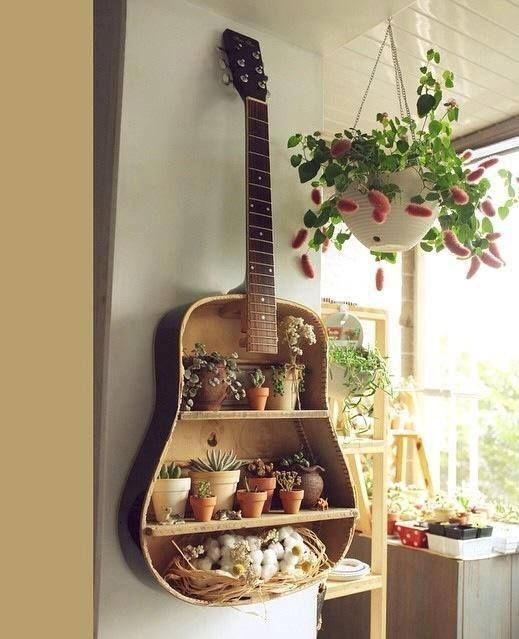
Recycled materials, such as glass, metal, and plastic, are gaining traction in the furniture industry as consumers increasingly prioritize sustainability. Upcycled furniture not only reduces waste but also offers a unique, conversation-starting aesthetic.
Ultimately, the demand for furniture materials is as varied as the people who use them. As our understanding of sustainability and ethical production grows, the furniture industry continues to innovate, developing new materials and methods to meet our evolving needs. The next time you pause to admire your furnishings, take a moment to appreciate the rich tapestry of materials that goes into creating our functional, inviting, and visually stunning spaces."
Related Articles

Ultimate Guide: Which Tarp is Waterproof
When it comes to protecting your gear or creating a shelter, you want a tarp that's not just durable, but also waterproof. But with so many options available...

Outdoor Furniture Material Types: Your Ultimate Guide
Exploring the great outdoors is one of life's simplest pleasures, and enhancing your outdoor space with the right furniture can significantly elevate your...

Best Material for Computer Chairs: Ultimate Guide
Comfort and ergonomics are paramount when choosing a computer chair, especially for prolonged use. The material of your chair significantly impacts both...

Best Ground Cover for Furniture: Ultimate Protection Guide
Transforming your space into a cozy nest doesn't stop at the furniture. Ground cover, often overlooked, can elevate your room's ambiance, comfort, and style...

What is a Living Room Chair: Ultimate Guide
A Living Room Chair: More Than Just a Seat In the heart of your home, the living room serves as a multifunctional sanctuary, a space to relax, entertain, and...

The Ultimate Guide: What is the Best Tarpaulin in 2023
Selecting the best tarpaulin involves considering various factors to ensure you get the right one for your specific needs. Whether it's for camping, trucking...