Landing Configuration: Decoding Aviation's Critical Setup
Aviation, with its complex systems and jargon, can sometimes seem like a language unto itself. One such term, often encountered in the context of commercial flights, is "landing configuration." Let's demystify this term and explore its significance in the world of aviation.
At its core, landing configuration in aviation refers to the set-up or arrangement of an aircraft's control surfaces, landing gear, and flaps just before and during the landing process.
The Importance of Landing Configuration
Understanding landing configuration is not just a matter of semantics. It's a critical aspect of safe and efficient aircraft operation. The right configuration at the right time can mean the difference between a smooth landing and a potentially hazardous situation.


Landing configuration is vital for several reasons. Firstly, it ensures that the aircraft can slow down from its high-speed cruise configuration to a safe and manageable speed for landing. Secondly, it aligns the aircraft's attitude (pitch, roll, and yaw) for a safe and controlled touchdown. Lastly, it prepares the airframe for the forces experienced during landing.
Control Surfaces and flaps
An aircraft's control surfaces, notably the ailerons, elevator, and rudder, adjust the aircraft's attitude during the landing approach. Flaps, meanwhile, increase an aircraft's lift, allowing it to fly slower, and reduce the stall speed, enabling a lower landing speed. The combination of these surfaces and the rate at which they are deployed form the landing configuration.


jednotlivých ovladacích ploch a klapeking je iniciována prakticky současně s pretáctením vzletové brzdy v cylindru.
Landing Gear Deployment
Landing gear deployment is another crucial aspect of landing configuration. Maintaining the correct gear configuration is vital for a safe and controlled touchdown. The correct timing and sequence of gear deployment, along with their retraction after landing, affect an aircraft's aerodynamics, stability, and safety.
In some aircraft, the landing gear can be deployed independently, while in others, it's part of a linked sequence that also includes flap and spoiler deployment. These systems are controlled by pilots and are typically initiated during the final approach to landing.


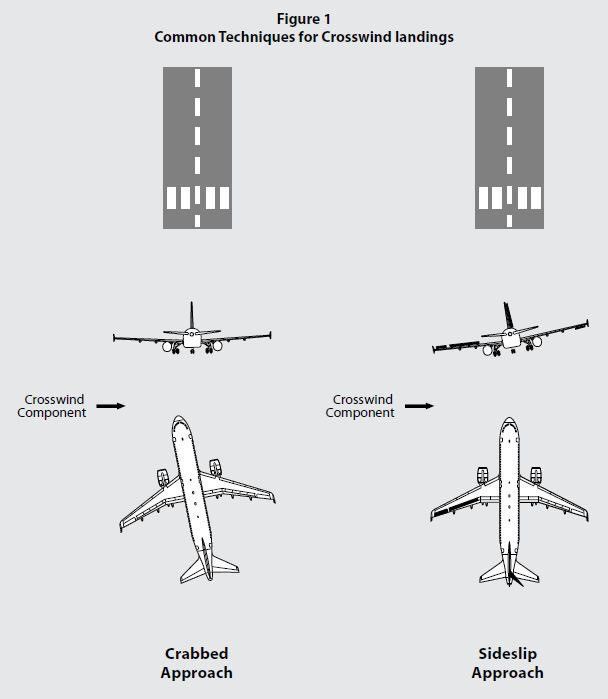

Types of Landing Configurations
Different aircraft may use different landing configurations due to their size, weight, and design. The most common landing configurations are known as clean, dirty, and full-flap.
The clean configuration is typically used for touch-and-go or short-field takeoffs and landings. It's characterized by minimal use of flaps, the gear up, and sometimes, retraction of the speed brakes (spoilers). The dirty configuration, on the other hand, is used for normal landings and features the use of flaps, gear down, and potentially, extended speed brakes. The full-flap configuration is similar to the dirty configuration but includes the additional use of full flaps.
Clean Configuration
The clean configuration is used when a fast, efficient takeoff or landing is required. It's often used in training scenarios or when an aircraft needs to operate at or near its maximum weight. In a clean configuration, the flaps and slats are fully retracted, and the landing gear is up.


Takeoff in a clean configuration is faster and can be performed with a higher load. However, landing in a clean configuration requires careful pilot technique to control the aircraft's high speed and ensure a safe and controlled touchdown.
Dirty and Full-Flap Configurations
Used in normal flight operations, these configurations allow for slower, more controlled landings. In a dirty configuration, the flaps and slats are partially extended, and the landing gear is down. The full-flap configuration is similar but with the full extension of the flaps.
These configurations increase lift and drag, allowing the aircraft to fly slower and maintain control during the landing approach. They also reduce the risk of a tailstrike, where the aircraft's tail section hits the runway before the landing gear, and help to absorb some of the impact upon landing.
In the dynamic world of aviation, understanding terms like "landing configuration" is not just a matter of academic curiosity but a critical aspect of safe and efficient flight operations. As with any complex system, it's a testament to the skill and training of pilots and the robust design of aircraft that these configurations work together seamlessly to ensure safe landings.
Related Articles

Decoding Your Room: Ideas for Your Bulletin Board
Transforming your room into a functional and organized space begins with strategically utilizing your bulletin board. This humble addition to your interior can...

Complete Outdoor Movie Setup: Essential Gear & Equipment
Imagine a warm summer night, under a crystalline sky filled with twinkling stars, enjoying your favorite movie with loved ones. Setting up an outdoor movie...

Decoding Cultural Leveling: A Deep Dive into Meaning
Have you ever heard of the term 'cultural leveling' and wondered what it truly means? This concept, while not immediately apparent or widely discussed, plays a...

What is a Landing Zone Incident? Explained
When discussing IT operations and incident management, you might come across the term "Landing Zone Incident." This phrase isn't as intuitive as others, so...

Understanding Azure Landing Zone: Meaning and Importance
In the realm of cloud computing, particularly within the Azure ecosystem, the term "Azure Landing Zone" has gained significant attention. But what exactly does...

Castle Wall Top Structures: Decoding the Architecture
The grand stone structures that dot the skyline, inspiring awe and wonder, have been a part of human history for centuries - we're talking about castles. These...