Understanding Uniform Life Expectancy Tables: A Comprehensive Guide
The Uniform Life Expectancy Table (ULET) is an actuarial tool used to estimate the remaining lifespan or life expectancy of individuals based on their current age and gender. It provides a standardized way to calculate life expectancies, which is crucial for various purposes, including insurance, retirement planning, pension schemes, and public health policy-making.
ULETs are typically created by life insurance companies or actuarial organizations using extensive databases of mortality rates. They are updated regularly to reflect changes in life expectancy due to improvements in healthcare, lifestyle, and environmental factors.
The Purpose of the Uniform Life Expectancy Table
The primary purpose of the ULET is to provide a baseline for calculating life expectancies, helping individuals plan for the future and institutions manage long-term financial liabilities.

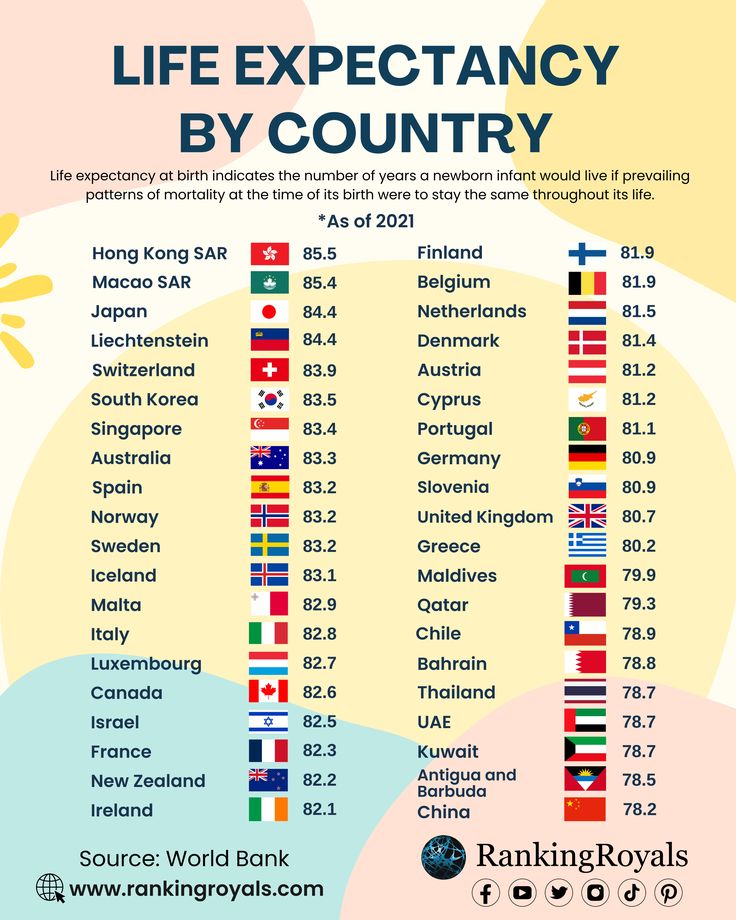

For individuals, understanding their life expectancy can aid in financial planning, such as determining the appropriate amount to save for retirement, ensuring that estate planning is adequate, or deciding when to take Social Security benefits. For institutions, ULETs help in pricing insurance policies, setting premiums, investing in annuities, and managing pension plans.
How the ULET is Constructed
The ULET is constructed using statistical models and historical mortality data, typically based on a large population's experience. Actuaries analyze changes in mortality rates over time to account for demographic shifts, improvements in medical care, and other relevant factors.


The resulting table displays expected remaining lifespans in years for males and females of various ages. It can be represented in a table or as a set of mortality rates, with the latter often used in complex statistical models to derive desired outcomes such as life expectancies at any age.
Criticisms and Limitations of the ULET
While the ULET serves as a useful planning tool, it's essential to recognize its limitations. It's based on past trends and may not accurately predict future changes in life expectancy. For instance, it might not account for emerging diseases, environmental factors, or other unforeseen events affecting mortality rates.
Moreover, individual life expectancies can vary significantly from the ULET's estimates due to factors like family health history, lifestyle choices, and access to quality healthcare. Therefore, the ULET should be considered a general guide rather than a precise predictor of an individual's lifespan.


The Impact of the Uniform Life Expectancy Table on Society
The ULET influences society in multiple ways, shaping public policy, affecting insurance markets, and encouraging individuals to plan for their futures. It helps governments and non-profit organizations to allocate resources, set policy priorities, and develop programs aimed at improving public health and well-being.
For instance, understanding life expectancy patterns can inform decisions on resource allocation, such as investing in preventative care or targeted health interventions. It also affects insurance and pension industries, as life expectancies influence premiums, benefits, and overall financial management within these sectors.
Influencing Individual Decision-making
The ULET encourages individuals to consider their life expectancy when making critical financial decisions. It promotes long-term thinking and helps individuals to plan for their future needs, such as saving for retirement, purchasing life insurance, and making informed decisions about when to retire or take Social Security benefits.


By providing a general estimate of life expectancy, the ULET enables individuals to make better-informed decisions about their financial future, ultimately improving their overall well-being and that of their families.
In the ever-evolving landscape of life expectancy, the ULET serves as a critical tool for societies, institutions, and individuals to navigate the future with greater confidence, making it an essential component of our shared humanity.
Related Articles

Understanding IRS Life Expectancy Table: A Comprehensive Guide
The IRS Life Expectancy Tables, often referred to as the IRS Life Expectancy Tables for Single Life Annuities, are an essential component of tax planning and...

Understanding Joint Life Expectancy: A Comprehensive Table
The concept of life expectancy is a critical component in various financial planning processes, especially life insurance and pensions. However, not all life...

Understanding Traditional Life: A Comprehensive Guide
In the vast tapestry of human existence, the idea of a "traditional life" has been woven through centuries, reflecting the norms, values, and practices of...

Optimal Wood for Outdoor Tables: A Comprehensive Guide
When it comes to choosing the right wood for an outdoor table, it's not just about aesthetics. You'll need a material that's durable, weather-resistant, and...
Understanding IRS Single Life Expectancy Table
The Internal Revenue Service (IRS) Single Life Expectancy Table serves a crucial purpose in the realm of estate planning and tax calculations. This table, a...
Life Expectancy Tables for Rmd: What You Need to Know
The life expectancy table for Retired, Retired Mail Days (RMD) is a crucial reference for retirees and financial planners alike. This table, provided by the...