Best Paint for Outdoor Furniture: Types & Application Tips
Revamping your outdoor space with a fresh coat of paint can greatly enhance its appeal and longevity. But with the multitude of paints available, it's crucial to choose the right one to ensure your outdoor furniture stands up against the elements. Let's dive into what kind of paint is best suited for outdoor furniture, its benefits, and how to apply it.
Outdoor furniture is designed to withstand varying weather conditions, but it's still vulnerable to sun damage, heavy rain, and extreme temperatures. The key to protecting your outdoor furniture lies in the type of paint you use. Unlike indoor paints, outdoor paints are designed to resist UV rays and water, ensuring your furniture looks great and stays functional year-round.
Types of Paint for Outdoor Furniture
The market is saturated with various types of paint, but not all are created equal when it comes to outdoor use. Let's explore the two top choices: water-based acrylic paint and oil-based paint.


Both have their advantages, and the choice often depends on the material of your outdoor furniture and your personal preferences.
Water-Based Acrylic Paint
Water-based acrylics are a popular pick for several reasons. They are low in volatile organic compounds (VOCs), making them safer and more eco-friendly. They also dry quickly, usually within an hour, and clean up easily with water. Moreover, acrylics are generally more versatile, performing well on various surfaces like wood, metal, and plastic.


On the downside, water-based paints are not as durable as oil-based ones. Despite being weather-resistant, they are more susceptible to chipping and peeling over time, making them a less ideal choice for heavily used or high-traffic areas.
Oil-Based Paint
Oil-based paints are incredibly durable and long-lasting. They form a thick, tough coat that withstands heavy use and extreme weather conditions. They also provide excellent adhesion, penetrating deep into the surface to form a strong bond with the material, reducing the risk of peeling or chipping. Additionally, their glossy finish adds a touch of elegance to outdoor furniture.
However, oil-based paints take longer to dry - usually around 24 hours - and the fumes they emit during application can be strong and toxic. They also require harsh chemicals like paint thinners for cleanup, making them less environmentally friendly than water-based options.


Preparing Your Outdoor Furniture for Painting
Before you reach for your paintbrush, it's essential to prep your outdoor furniture to ensure a smooth painting process and a flawless final result. Begin by cleaning your furniture thoroughly to remove any dirt, grease, or other impurities. Sand the surface lightly to create a smooth base and improve paint adhesion. Once sanded, wipe off any dust with a damp cloth and allow the furniture to dry fully before painting.
Consider the weather conditions as well. Ideally, paint should be applied when the temperature is between 50°F (10°C) and 85°F (29°C), with humidity levels below 60%. Apply paint on a cloudy day or in a shaded area to avoid overexposure to direct sunlight while painting.
primers: Should You Use One?
Primers are a crucial part of the painting process, especially for outdoor furniture. They seal the surface, preventing tannins (natural compounds in wood) from bleeding through and ruining your paint job. Primers also promote better paint adhesion and help the paint color appear more vibrant. If your outdoor furniture is made of wood, it's indispensable to use aprimer. For other materials like metal or plastic, a primer is still beneficial but not always necessary.



When choosing a primer, opt for one that's specifically designed for outdoor use and compatible with the paint you plan to use. For instance, use a water-based primer for water-based paint and an oil-based primer for oil-based paint. These combinations will ensure the best overall performance and longevity of your paint job.
Applying Paint to Outdoor Furniture
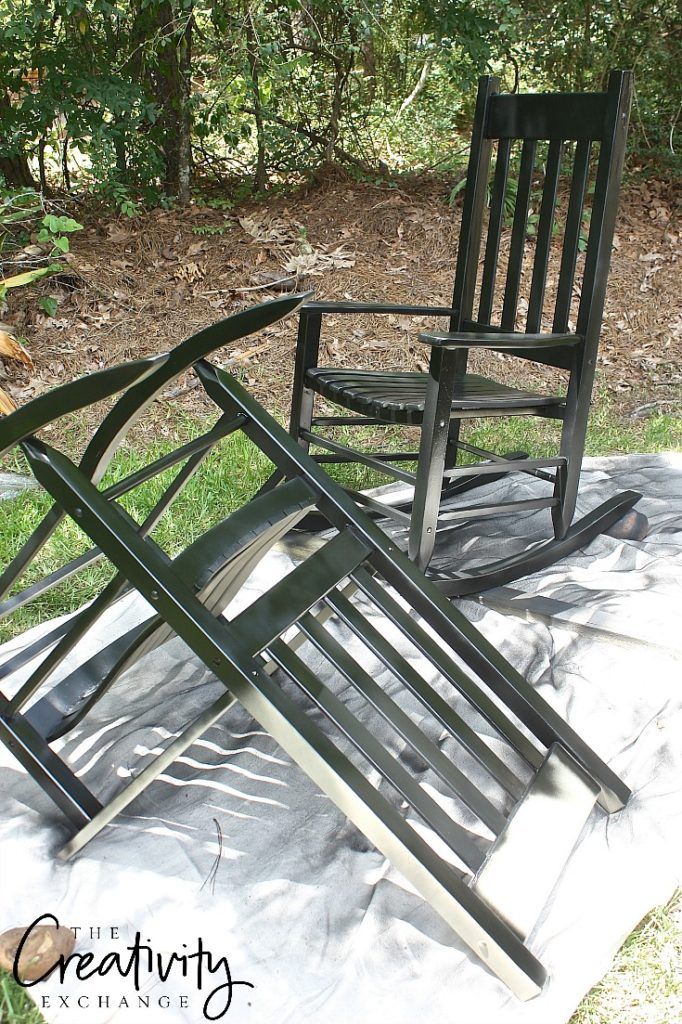
Now that your outdoor furniture is prepped and primed, it's time to apply the paint. Use a high-quality paintbrush designed for the type of paint you're working with. For better coverage and a smooth finish, consider using a spray painter, especially for large or complex pieces. Always follow the manufacturer's instructions for application, including the number of coats and drying times between each application.
It's a good idea to apply multiple thin coats rather than one thick coat to avoid drips and ensure an even finish. Allow the paint to dry completely between coats, and remember, it's better to wait a little longer than risk ruining your work due to impatience.
Caring for Your Painted Outdoor Furniture
Regular maintenance extends the life of your paint job and keeps your outdoor furniture looking its best. Inspect your painted furniture periodically for signs of wear and tear. Address any issues promptly to prevent small problems from turning into significant ones.
Cover your outdoor furniture when not in use to protect it from harsh weather conditions. Regularly clean your painted furniture using a mild detergent and a soft cloth. Avoid power washing, as the high-pressure spray can damage the paint. Instead, use a damp sponge or cloth to wipe away dirt and debris gently.
With the right paint and proper care, your outdoor furniture can retain its charm and functionality for years to come. So go ahead, choose the perfect paint, and transform your outdoor space into a beautiful, inviting haven.
Related Articles
Best Paint for Outdoor Wicker Furniture: Types & Application Tips
Are you looking to spruce up your outdoor space with wicker furniture but hesitant about the durability of your color choices? You're not alone. Many...
Best Paint Types for Outdoor Wood Furniture
When it comes to safeguarding your outdoor wood furniture from the elements, selecting the right paint is crucial. Not only does it enhance the aesthetic...

Best Exterior Brick Paint Options: Types & Application Tips
Exterior brick paint can significantly enhance your home's curb appeal, providing a fresh, clean, and inviting facade. Given the numerous paint types...

Outdoor Plastic Paint: Best Types & Application
Painting outdoor plastic surfaces can significantly enhance their appearance and durability, but choosing the right paint is crucial. The vast array of paints...
Best Spray Paint for Outdoor Furniture:
When it comes to reviving your outdoor furniture, spray paint is an affordable and easy-to-use tool that can transform dull, worn-out pieces into fresh...

Best Exterior Paint: Top Types & Outdoor Paint Guide
When it comes to outdoor painting, choosing the right type of paint is crucial for durability, longevity, and visual appeal.Your home's exterior is constantly...