Perfect Picnic: The Best Wood Types for Your Outdoor Table
When planning to build a sturdy, long-lasting picnic table, one of the most important decisions you'll make is choosing the right wood. The type of wood you select can significantly impact not only the table's durability but also its aesthetic appeal. This article will guide you through the key considerations when choosing the ideal wood for your picnic table, helping you make an informed decision that balances strength, longevity, and beauty.
Before delving into the specific types of wood, let's first consider the essential characteristics to look for in picnic table wood. Durability, weather resistance, ease of maintenance, and cost-effectiveness are paramount. Additionally, the wood's natural color and grain pattern can greatly influence the final appearance of your picnic table. Keeping these factors in mind, let's explore the most suitable wood options.
Durable Hardwoods
Hardwoods are an excellent choice for picnic tables due to their inherent durability and resistance to wear and tear. They grow slowly, resulting in dense, strong grain patterns that can withstand the elements and heavy use. Two popular hardwood options for picnic tables are cedar and teak.


Cedar is a classic choice for outdoor furniture, offering natural rot resistance and a rich, warm hue. Its unique cellular structure allows it to repel water and resist pests, extending the lifespan of your picnic table. Moreover, cedar's subtle aroma contributes to an pleasant atmosphere during outdoor gatherings. However, keep in mind that cedar may be more expensive than other options and can show signs of aging with prolonged sun exposure.
Cedar
Western Red Cedar is a common choice for picnic tables, as it offers excellent weather resistance and a inviting color. It accepts stains and sealers well, allowing you to customize the table's appearance and prolong its lifespan. Cedar's workability makes it easy to cut and assemble, ensuring a smooth construction process.


For a more rustic look, consider using Uneeda or boards of mixed widths. This will add character to your picnic table and make it unique. To further enhance its durability, apply a water-repellent sealer or staggered stitching to prevent water from pooling on the tabletop.
Teak
Teak is another premium hardwood option known for its exceptional durability and stability. It contains natural oils that make it highly resistant to rot, decay, and insect damage, ensuring a long-lasting picnic table. Teak's straight grain and even texture make it a pleasure to work with, and its warm, rich color adds an air of elegance to your outdoor space.
However, teak can be quite expensive, and it may require occasional oiling to maintain its natural color. Additionally, teak's tight grain structure can make it somewhat difficult to work with compared to softer woods. Despite these considerations, teak's unparalleled longevity and low maintenance make it an attractive choice for those willing to invest in high-quality outdoor furniture.


Affordable yet Durable Softwoods
While hardwoods are ideal for picnic tables, they may not fit everyone's budget. In such cases, consider softwood options that, with proper treatment and care, can still provide satisfactory results in terms of durability and longevity. Pressure-treated pine and cypress are two budget-friendly alternatives to hardwoods.
Pressure-treated pine is an economical choice that offers good durability when properly maintained. It responds well to stains and paints, allowing you to customize its appearance. However, keep in mind that pressure-treated pine is not naturally rot-resistant, and it may warp or crack over time if not cared for correctly.
Pressure-treated Pine
When selecting pressure-treated pine, look for kiln-dried after treatment (KDAT) options. These are less prone to twisting and warping than standard pressure-treated lumber. Opt for #2 grade or better to ensure consistent quality and minimize defects that could compromise the table's structural integrity.


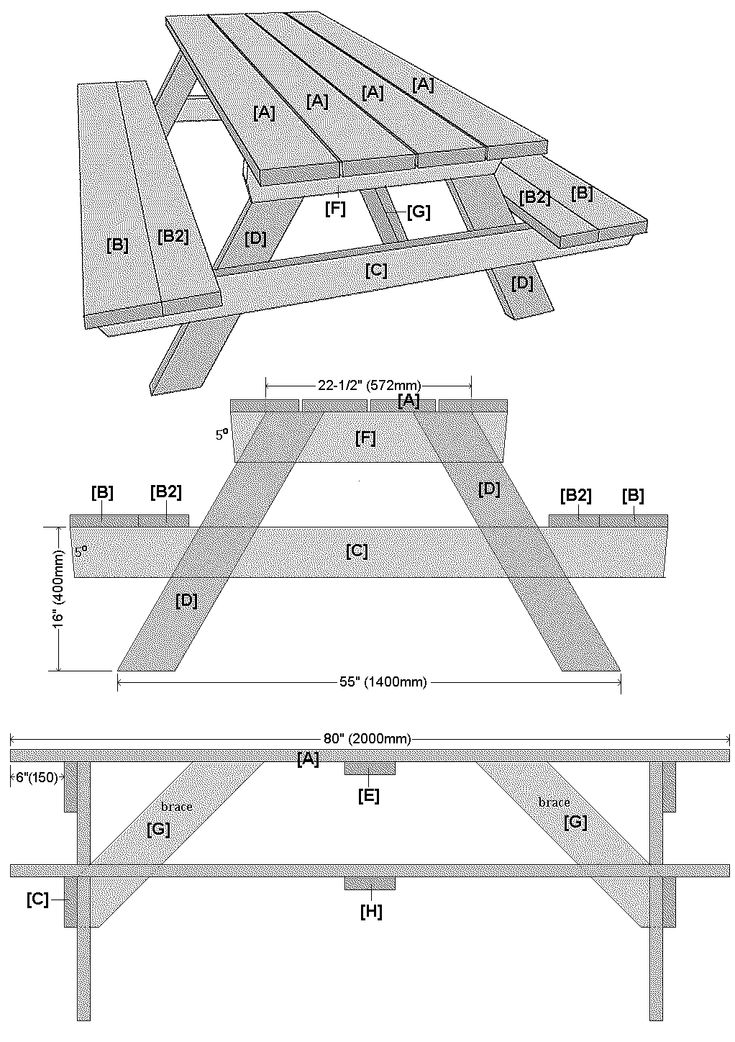


To extend the lifespan of your pressure-treated pine picnic table, apply a water-repellent sealer or paint to protect it from moisture. Regularly inspect and maintain the table, addressing any signs of wear or damage promptly. With proper care, a pressure-treated pine picnic table can provide many years of service.
Cypress
Cypress is a durable, naturally rot-resistant softwood that is an excellent affordable alternative to hardwoods. Its unique cellular structure allows it to repel water, making it ideal for outdoor applications. Cypress accepts stains and sealers well, enabling you to customize the table's appearance. Moreover, cypress is often harvested from sustainably managed plantations, making it an eco-friendly choice.
However, cypress can still warp or crack if not properly dried during construction. To minimize these issues, ensure that the cypress you use has been air-dried for an extended period (ideally, a year for each inch of thickness) or kiln-dried. Additionally, consider using cypress boards of mixed widths to create a distinctive, character-rich picnic table.
Exotic and Durable Wood Options
If you're looking for a unique and durable wood for your picnic table, consider exotic hardwood options like ipe and mahogany. These woods are known for their exceptional durability, stunning grain patterns, and rich colors that can elevate the aesthetic of your outdoor space.
However, be prepared for higher costs associated with these exotic woods. Additionally, some exotic hardwoods may contribute to deforestation in their countries of origin, so it's essential to consider the environmental impact and source your wood responsibly.
Ipe
Ipe, also known as Brazilian walnut or ironwood, is renowned for its extreme durability and resistance to rot, decay, and insects. It has a rich, dark color and a distinct grain pattern that makes it an attractive choice for high-end outdoor furniture. Ipe is so durable that it is often used for decks and boardwalks, ensuring a long-lasting picnic table.
Despite its outstanding durability, working with ipe can be challenging due to its hardness and density. It may require specialized cutting tools and techniques to avoid damage. Moreover, ipe is typically more expensive than other hardwood options. However, its unmatched longevity and striking appearance make it a worthwhile investment for those who can afford it.
Mahogany
Mahogany is a classic hardwood known for its stunning, straight grain and rich, reddish-brown color. It is naturally resistant to rot, decay, and insects, ensuring a durable picnic table with a elegant appearance. Mahogany's workability makes it relatively easy to cut and assemble, compared to harder woods like ipe.
However, mahogany can be more expensive than other hardwood options, and its sourcing can contribute to deforestation in some regions. To ensure ethical and sustainable sourcing, look for certifications like FSC (Forest Stewardship Council) when purchasing mahogany. Additionally, consider mixing other hardwoods with mahogany to create a unique aesthetic and reduce the overall environmental impact of your picnic table.
In your quest for the perfect picnic table, choosing the ideal wood is a critical step. By considering the factors outlined in this comprehensive guide, you can select a durable, long-lasting, and visually appealing wood that will stand the test of time and create cherished memories for years to come. So go ahead, gather your loved ones and mark your tables with the joy and laughter of countless gatherings. Happy building!
Related Articles

Best Wood Types for Outdoor Tables: Durable & Weather-Resistant
When it comes to choosing the right wood for your outdoor table, you'll want to consider durability, aesthetics, and maintenance requirements. After all, your...
Best Wood for Outdoor Tables: Durable Choices for Your Patio
When it comes to choosing the best wood for an outdoor table, there's a lot more to consider than just aesthetics. Durability, weather resistance, and...

Optimal Wood for Outdoor Tables: A Comprehensive Guide
When it comes to choosing the right wood for an outdoor table, it's not just about aesthetics. You'll need a material that's durable, weather-resistant, and...

Best Paint Types for Outdoor Wood Furniture
When it comes to safeguarding your outdoor wood furniture from the elements, selecting the right paint is crucial. Not only does it enhance the aesthetic...

Best Wood for Outdoor Picnic Tables: Durable & Weather-Resistant Options
When it comes to selecting the perfect wood for an outdoor picnic table, durability, weather resistance, and aesthetic appeal are all crucial factors to...

Best Outdoor Wood Furniture Stain Types
When it comes to protecting and enhancing the look of your outdoor wood furniture, selecting the right stain is integral. With a myriad of options available...