Best Exterior Paints for Terracotta Pots: Weatherproofing Tips
When it comes to painting terracotta pots for outdoor use, it's essential to choose the right type of paint to ensure longevity and aesthetic appeal. Terracotta is a porous material, which means it can absorb moisture, including the oils and binders in some types of paint. This can lead to premature deterioration, chipping, and peeling. Therefore, it's crucial to opt for paints specifically designed to adhere to and protect the surface of terracotta pots.
In this guide, we will delve into the types of paint best suited for terracotta pots intended for outdoor use. We'll discuss the pros and cons of each type, their application processes, and maintenance requirements. By the end of this article, you'll be well-informed to make the best choice for your garden decor or outdoor planters.
Types of Paint for Terracotta Pots
Several types of paint can be used on terracotta pots, but not all are equally effective or long-lasting outdoors. Here, we'll focus on the four most suitable options: acrylic paint, masonry paint, chalk paint, and outdoor-specific spray paints.


Each of these paints has its unique characteristics, advantages, and disadvantages. Let's explore each in detail to help you decide which one is the best fit for your project.
Acrylic Paint
Acrylic paint is a popular choice for terracotta pots due to its versatility, vibrant colors, and ease of application. It's water-based, making it non-toxic and low-odor. Acrylic paint is known for its excellent adhesion to various surfaces, including terracotta. It also offers good durability and protection against outdoor elements when sealant is applied.


When choosing acrylic paint, opt for brands specifically designed for outdoor use or porous surfaces. These will usually have better adhesion, increased durability, and superior resistance to fading and weathering. Apply acrylic paint using either a paintbrush or a sponge for a textured look. Ensure a proper application of a suitable sealant or varnish to protect the painted surface and extend its lifespan.
Masonry Paint
Masonry paint is designed to adhere to porous surfaces such as brick, stone, and terracotta. It's available in a range of finishes, from matte to gloss, and offers good resistance to algae and fungi, making it an excellent choice for outdoor use. Masonry paint is typically water-based, making it easy to clean up and apply. It can be applied using a paintbrush, roller, or sprayer for larger projects.
Masonry paint provides a durable, weather-resistant barrier that helps protect terracotta pots from moisture absorption and cracking. However, it may not offer the same level of vibrancy or color variety as acrylic paints. Ensure the paint you choose is specifically formulated for outdoor use and follows manufacturer guidelines for application and maintenance.


Chalk Paint
Chalk paint is known for its matte, vintage-style finish and excellent adhesion to various surfaces, including terracotta. It's water-based, low-odor, and easy to clean up. Chalk paint is typically more expensive than acrylics or masonry paints, but it offers a unique, distressed look that can't be achieved with other types.
When applying chalk paint to terracotta pots, keep in mind that it may require more layers to achieve full coverage, especially in light colors. Due to its matte finish, chalk paint may not be as resistant to outdoor elements as glossier paints. To improve durability, consider applying a clear wax or sealant specifically designed for chalk paint after it has fully cured.
Outdoor-Specific Spray Paints
Outdoor spray paints are designed to adhere to various surfaces and withstand harsh outdoor conditions. They are available in a wide range of colors and finishes, including gloss and satin. These paints are easy to apply, require minimal preparation, and often provide excellent coverage with just a few coats.

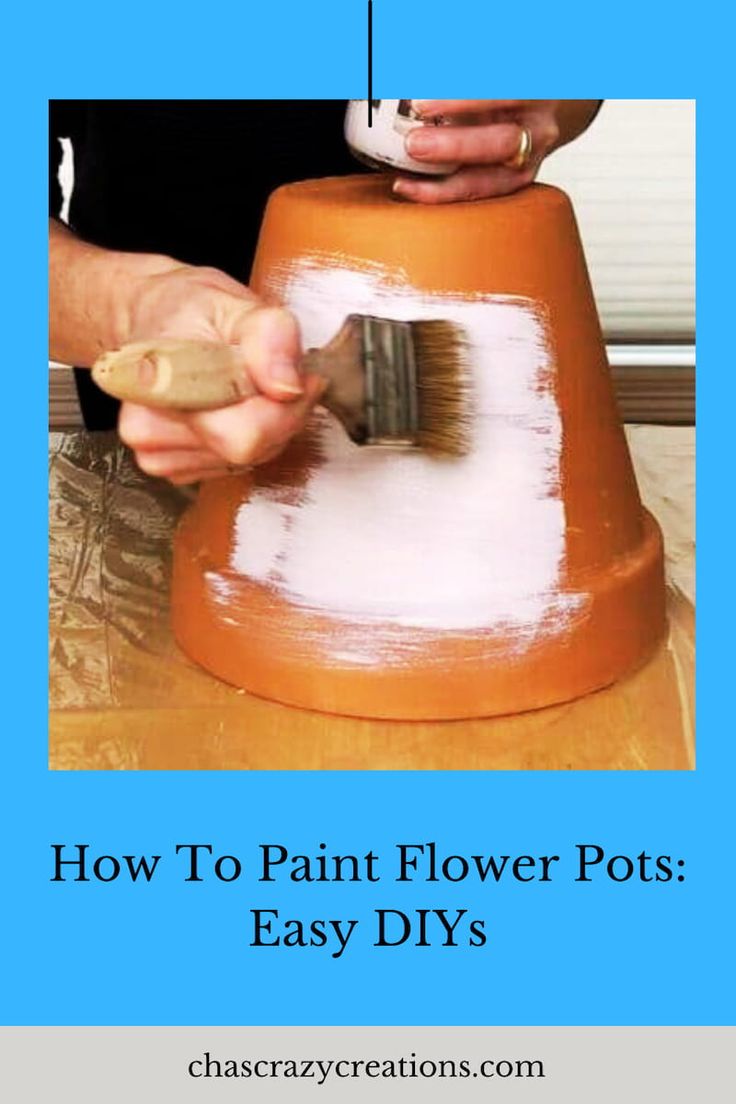


When using spray paints, ensure you follow the manufacturer's guidelines for surface preparation, application, and safety precautions. Spray paints may not provide the same level of texture or customization as other types, but they are an convenient and quick option for large-scale projects or when time is limited.
Preparing Terracotta Pots for Painting
Proper preparation of terracotta pots before painting is essential for achieving optimal results and ensuring the longevity of the painted surface. Here are the key steps in preparing terracotta pots for painting:
1. **Cleaning**: Begin by cleaning the terracotta pots to remove any dirt, dust, or residue. Wipe them down with a damp cloth or use a mild detergent solution for tougher stains. Allow the pots to dry completely before proceeding.
2. **Sand the surface**: Gently sand the terracotta surface using fine-grit sandpaper (120-150 grit) to create a smooth base and help improve paint adhesion. Be sure to remove any dust created by sanding with a damp cloth.
3. **Apply a primer**: Using a primer specifically designed for outdoor use or porous surfaces, cover the terracotta pot liberally. Priming helps to seal the porous surface, promoting better paint adhesion and improving the overall durability of the finished product. Allow the primer to dry completely according to the manufacturer's instructions.
Painting and Maintenance Tips
Once you've chosen the best paint for your project and prepared your terracotta pots accordingly, follow these painting and maintenance tips to ensure lasting results:
1. **Apply multiple thin coats**: Instead of applying thick, heavy coats of paint, opt for multiple thin coats. This approach promotes better paint adhesion, helps to eliminate drips and runs, and allows for more even color distribution.
2. **Choose the right weather**: Paint terracotta pots on a mild, dry day, ideally with temperatures between 60-80°F (15-27°C). Avoid painting in direct sunlight or extreme heat, as both can cause the paint to dry too quickly, leading to uneven coverage and poor adhesion.
3. **Allow proper drying time**: Always follow the manufacturer's recommended drying times between coats and before applying a sealant or varnish. Rushing the process may result in inferior results and potentially ruin your hard work.
4. **Seal and protect**: After the final coat of paint has fully cured, apply a suitable sealant or varnish to protect the painted surface and extend its lifespan. This additional layer of protection helps to resist moisture, UV damage, and everyday wear and tear.
5. **Regular maintenance**: Inspect your painted terracotta pots periodically for signs of wear, chipping, or fading. Touch up any affected areas as needed, and apply a fresh coat of sealant every few years to maintain optimal protection.
Painting terracotta pots for outdoor use can significantly enhance your garden's aesthetic appeal and create a personalized touch to your outdoor space. By choosing the right paint and following proper preparation and maintenance techniques, your painted terracotta pots will continue to delight and endure for years to come. So go ahead, express your creativity, and enjoy the beautification process!
Related Articles

Best Paints for Exterior Trim: A Comprehensive Guide
When it comes to maintaining the exterior of your home, choosing the right type of paint for your trim is crucial. The trim – including door and window frames...

Best Exterior Metal Paints: Top Options for Outside
When it comes to painting metal surfaces outdoors, selecting the right paint is crucial for a lasting, protective finish that can withstand the elements...

Best Exterior Wall Paints: Top Choices for Durability & Curb Appeal
Choosing the right paint for your exterior walls is crucial for protecting your home from the elements and maintaining its curb appeal. But with numerous...

Best Exterior Paint Colors: Expert Tips & Popular Shades
Choosing the right color to paint your exterior can significantly enhance your home's curb appeal and even increase its value. With a myriad of shades and hues...

Best Exterior Wood Paint: Top Choices & How to Use
Embarking on an exterior wood painting project? The finishing touch of a fresh coat of paint not only enhances your home's curb appeal but also extends the...

Exterior Bulkhead Door Colors: Best Paints & Ideas
When it comes to transforming the exterior of your home, even the smallest details can make a significant impact. Bulkhead doors, often overlooked, present an...