What to Do If You Find a Dead Bird in the UK
If you're fortunate enough to have birds in your garden, you might occasionally discover a dead bird in your outdoor space. For your own wellbeing and the environment's, it's crucial to know how to handle these situations. Here's a comprehensive guide on what to do if you find a dead bird in the UK.
Dead birds can carry diseases, so it's essential to take precautions while handling them. The danger period for Disease Reporting is from October to March, but in 2019, the UK had an outbreak of Avian Flu (H5N6) that also occurred in summer months. It's always better to err on the side of caution.
What NOT to Do
First things first, let's discuss what not to do. The Royal Society for the Prevention of Cruelty to Animals (RSPCA) advises against touching or moving a dead bird with your bare hands. Also, avoid using a cat or dog to remove the bird, unless necessary and wearing gloves.


Do not attempt to bury or burn the bird. The eestiagp.com, in their article on dead birds, advises that it is illegal to bury the bird in your garden, as this could potentially contaminate your soil and water supply.
Protect Yourself
Always protect yourself when dealing with a dead bird. Wear gloves, a face mask, and preferably old clothing that you can discard afterwards. If you don't have these, wash your hands thoroughly afterwards.


An all-in-one safety kit, including gloves, a face mask, and apron, can be found at places like Amazon UK.
Contact the Authorities
The Wildlife Incident Hotline is your first point of contact. Run by Defra, it's a national service for the public to report dead wild birds. This information helps understand and monitor bird grit and diseases. The hotline number is 0300 060 1005.
You can also report online using the UK Government's online wildlife incident form. If you find many birds dying over a short period, it could indicate an outbreak, which should be reported immediately.


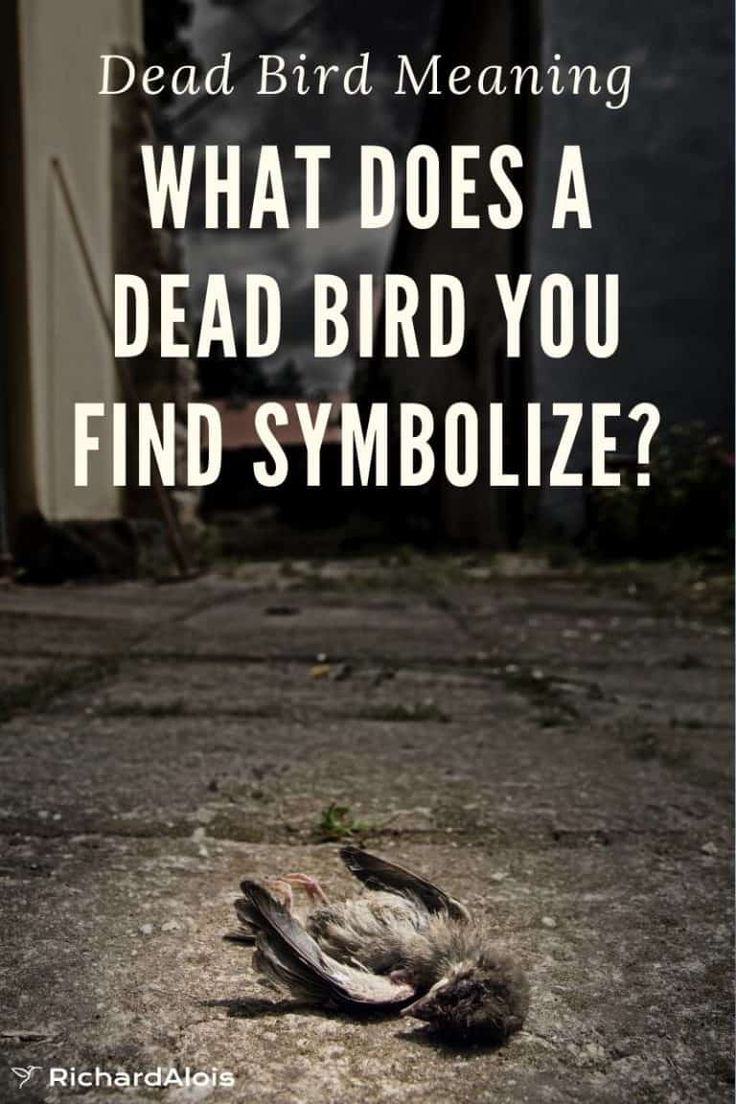

Removing the Bird
If you decide to remove the bird yourself, use a gloved hand or tools like a shovel or tongs. Place the bird in a heavy-duty plastic bag or a sealed container. If you're using a bag, ensure it's tightly closed and won't leak. Keep it separate from other waste for at least 48 hours before disposal.
You could also contact your local council waste services to schedule a collection. They should be able to dispose of the bird safely and hygienically.
Disposing of the Bird
If you're disposing of the bird yourself, wait at least 48 hours before placing it in your regular household waste. This period reduces the risk of lasting contamination. If you can't wait, keep the bird separate from other waste and ask your local council for special collection.


Biodegradable waste sacks are available online from sites like EdenZeroWaste. Remember, composting won't destroy Bird Flu or other hazardous pathogens, so this method isn't recommended.
Preventing Future Bird Deaths
Besides dealing with dead birds, you can prevent more from dying in your garden. The British Trust for Ornithology advises feeder hygiene - clean bird feeders and tables regularly with a solution of boiling water, disinfectant, and household bleach.
Maintain balance in your garden with plenty of insects and seed plants for food, and tree cover for birds to nest and roost. Planting native species also attracts native birds and supports biodiversity in your garden.
The discovery of a dead bird can be upsetting, but remembering these steps halts any panic. By knowing what to do if you find a dead bird in the UK, you contribute to preserving the wellbeing of both birds and humans. Keep your garden a safe and inviting space for feathered friends, and enjoy the songbirds that visit.
Related Articles

Caring for an Injured Bird: Expert Steps If You Find One
Imagine discovering an injured bird, its wings drooping, feathers ruffled, twittering softly in distress. It's an unfamiliar, vulnerable situation that might...

What to Do When You Find a Dead Squirrel in Your Backyard
Finding a dead squirrel in your backyard can be distressing, but it's not uncommon. Squirrels are prolific in many urban and rural areas, and their lifespans...

Caring for Injured Birds: What to Do if You Find a Stressed or Hurt Bird in Your Backyard
Discovering an injured bird in your backyard can be distressing, but it's crucial to know how to help. Birds play a vital role in maintaining our ecosystems...

What to Do When You Find a Dead Animal in Your Yard
Discovering a dead animal in your yard can be an unsettling experience. It's crucial to approach this situation with care, not just for your emotional...

What to Do When You Find an Injured Bird in Australia
Discovering an injured bird in Australia can be distressing, but it's important to know how to handle the situation to ensure the best possible outcome for the...
Caring for Injured Birds in Australia: What to Do & When to Act
Discovering an injured bird in Australia can be distressing, but help is at hand. This comprehensive guide provides practical steps to ensure you provide the...