Maximize Your Space: Transforming Steeply Sloped Backyards
Embracing a steep sloped backyard can be both a challenge and an opportunity. With the right approach, you can transform it into a functional, aesthetically pleasing, and eco-friendly space. Let's explore some creative and practical ways to make the most of your hilly terrain.
First, consider the unique advantages that a steep sloped backyard offers. These spaces often provide stunning views, natural drainage, and unique opportunities for landscaping features like terraces and retaining walls. By understanding and utilizing these advantages, you can create a backyard that is not only beautiful but also highly functional and enjoyable.
Evaluating and Planning Your Steep Sloped Backyard
Before diving into projects, it's crucial to assess your backyard's slope, soil type, drainage patterns, and any potential hazards. This evaluation will help you make informed decisions about landscaping, hardscaping, and home safety. Don't hesitate to consult with a professional if you're unsure about any aspect of your backyard's layout or condition.


Once you have a thorough understanding of your backyard, create a detailed plan outlining your goals, budget, timeline, and the key features you'd like to include. This plan will serve as a roadmap for your backyard transformation, helping you stay focused and on track throughout the process.
Understanding Slope and Terrain
The slope of your backyard significantly impacts the types of plants, hardscaping, and landscape features it can accommodate. Steep slopes typically fall into three categories: gentle (5-15%), moderate (15-30%), and severe (30% or more). Gentle slopes are easier to work with, while moderate and steep slopes require more careful planning and often include measures like retaining walls and terracing.


To determine the slope of your backyard, you can use a simple DIY method with a level, a string, and a ruler. Alternatively, you can use a laser level or hire a professional to perform a more accurate measurement. Understanding your backyard's slope will help you choose the most suitable landscaping techniques and features.
Before you start transforming your steep sloped backyard, it's essential to prepare the area by clearing any debris, removing invasive plants, and addressing soil issues. Loamy, well-draining soil is ideal for most plants and landscapes, so you may need toTill, amend, or redistribute your soil accordingly.
Additionally, consider the impact of climate and weather patterns on your backyard. In areas with heavy rainfall, you may need to install drainage systems or create dry wells to prevent waterlogging and erosion. Similarly, in regions with extreme temperatures or droughts, you'll need to select heat and drought-tolerant plants and materials for your hardscaping and landscape features.
Terraces and Retaining Walls: Maximizing Space and Stability
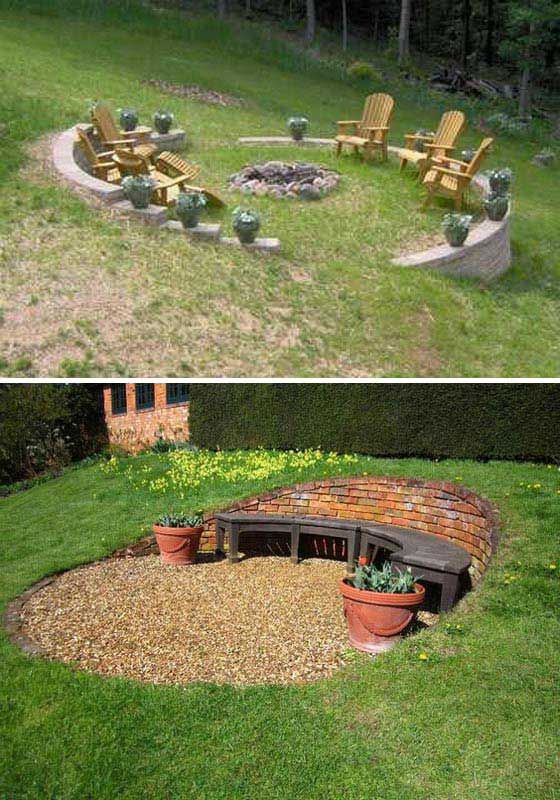
Terraces and retaining walls are essential features in steep sloped backyards, as they help create functional spaces, prevent erosion, and provide safe, stable surroundings for plants and structures. When designing terraces and retaining walls, consider the materials, layout, and builder or installer you'll use to ensure durability and long-lasting results.
Materials like concrete, stone, or treated lumber can be used for retaining walls, each offering unique aesthetic and functional benefits. To maximize space and stability, keep your terracesichteled and create narrow, stepped profiles using materials that complement your home's architecture and your desired landscape style.
Terracing Techniques
Terracing involves creating horizontal, raised platforms on steep slopes to provide stable, flat surfaces for planting and enjoying your backyard. Common terracing techniques include straight-backed, composted, and keyway terracing. Straight-backed terraces feature vertical walls supporting backfill and are typically used for gentle to moderate slopes. Composted terraces use layered materials as a retaining wall and are ideal for slopes with rocky or uneven soil. Keyway terracing incorporates interlocking, angled blocks for added stability, making it suitable for severe slopes and areas prone to erosion.
When terracing, ensure you create a stable base and properly compact soil and backfill materials. Incorporate drip irrigation into your design to maintain plant health and prevent waterlogging. Additionally, consider including steps, pathways, or ramp systems to connect your terraces and create seamless transitions throughout your backyard.
Retaining Walls: Types, Construction, and Maintenance
Retaining walls can be constructed from various materials, with systems like segmental modular block, poured concrete, or site-built masonry being popular choices. Each system offers unique advantages in terms of aesthetics, durability, and maintenance requirements. Segmental modular block walls are generally easy to install and maintain, while poured concrete and site-built masonry walls provide a more permanent, customized look.
Regardless of the material you choose, it's essential to design your retaining walls to withstand the pressure exerted by the soil behind them. Consult local building codes and regulations, and consider hiring a professional to ensure your retaining walls are safely constructed and properly draining. Regular maintenance, such as checking for cracks, ensuring proper drainage, and addressing any signs of instability, will help extend the lifespan of your retaining walls and keep your backyard safe and enjoyable.
Landscaping and Planting: Softening Slopes and Adding Natural Beauty
Once you've created a stable foundation with terraces and retaining walls, it's time to bring your steep sloped backyard to life with lush plants and inviting landscape features. Choose plants that thrive in your climate and soil conditions, considering factors like sunlight exposure, water needs, and mature size when placing them throughout your backyard.
Hardscaping features like patios, pathways, and outdoor lighting can further enhance your backyard's appeal and functionality. By incorporating these elements into your landscape design, you'll create a cohesive, thoughtfully designed space that reflects your personal style and meets your practical needs.
Sloping Landscape Design Techniques
To maximize your steep sloped backyard's potential, employ design techniques that embrace and emphasize its unique characteristics. Gradually stepped or stair-stepped planting beds create depth and visual interest, while lawn alternatives like organic mulch or ground covers minimize maintenance and erosion. Curving pathways and planting beds soften the lines of terraces and retaining walls, blending your hardscaping with the natural beauty of your landscape.
Installing green infrastructure elements like rain gardens, bioswales, or living roofs can help manage runoff, promote biodiversity, and contribute to a more sustainable, eco-friendly backyard. Incorporating these features thoughtfully into your design can simultaneously enhance your backyard's appearance and protect the environment.
Choosing Plants for Steep Slopes
Select plants that are well-adapted to your backyard's specific conditions, focusing on low-growing, drought-tolerant species that help stabilize soil and prevent erosion. Ground covers, shrubs, and perennials that form dense root systems are particularly effective in this regard. Some popular choices include creeping thymes, sedges, and ornamental grasses, as well as dwarf shrubs like prostrate junipers and potentillas.
When placing plants, consider their mature sizes and growth habits to create a cohesive, balanced design. Planting in drifts or groupings rather than individual specimens helps to create a natural, lush appearance and provides better coverage on your sloped terrain. As your plants grow and fill out, their intermingling roots will contribute to a stronger, healthier, and more resilient landscape.
Safety and Accessibility: Creating a Functional and Enjoyable Backyard
Ensuring the safety and accessibility of your steep sloped backyard is essential for creating an enjoyable, inviting space for you and your guests. By addressing potential hazards and incorporating accessibility features throughout your design, you'll create a welcoming environment that caters to a wide range of needs and abilities.
Focus on glare, lighting, and uneven surfaces when addressing safety concerns. Proper lighting solutions, such as solar or LED path lights or>
Embracing your steep sloped backyard's unique character can lead to a stunning, functional, and eco-friendly outdoor living space. As you move forward with your transformation, remember to prioritize durability, sustainability, and personal expression. By doing so, you'll create a backyard that not only highlights your home's architectural features but also supports your lifestyle and brings you joy for years to come.




Related Articles

MAXIMIZE YOUR SPACE: Transforming Steep Front Yards
Transforming a steep front yard into a functional and inviting space can be a daunting task, but with the right strategy, it's definitely achievable. A...

Maximize Your Space: Transforming Large Living Room Walls
A large living room wall presents ample opportunities for homeowners to showcase their personality and make a lasting impression. It's a blank canvas, waiting...

Maximize Your Space: Transforming Large Open Living Rooms
Transforming a large, open living room into a functional and inviting space can feel daunting, but it's a wonderful opportunity to express your personal style...

Maximize Your Yard: Transforming Steep Slope Gardens Today
Transforming a steep slope garden into a beautiful and functional space requires careful planning and creative solutions. With the right approach, you can...

MAXIMIZE YOUR MINUSCULE SPACE: Landscape Ideas for Steep Backyards
Transforming a steep backyard into a functional and visually appealing landscape can seem daunting, but with the right ideas and strategies, it's achievable...

Vertical Gardening on Slopes: Transforming Your Steep Backyard with Terraces
Transforming a sloped backyard into a functional and attractive space can seem like a daunting task, but with the right techniques and careful planning, it's...