Average Male Lifespan: What's the Typical Age?
Life expectancy is a compelling indicator of general health and well-being, with significant variance between male and female lifespans. The average lifespan of a male has seen a substantial increase over time, and understanding this trajectory offers valuable insights into population health trends.
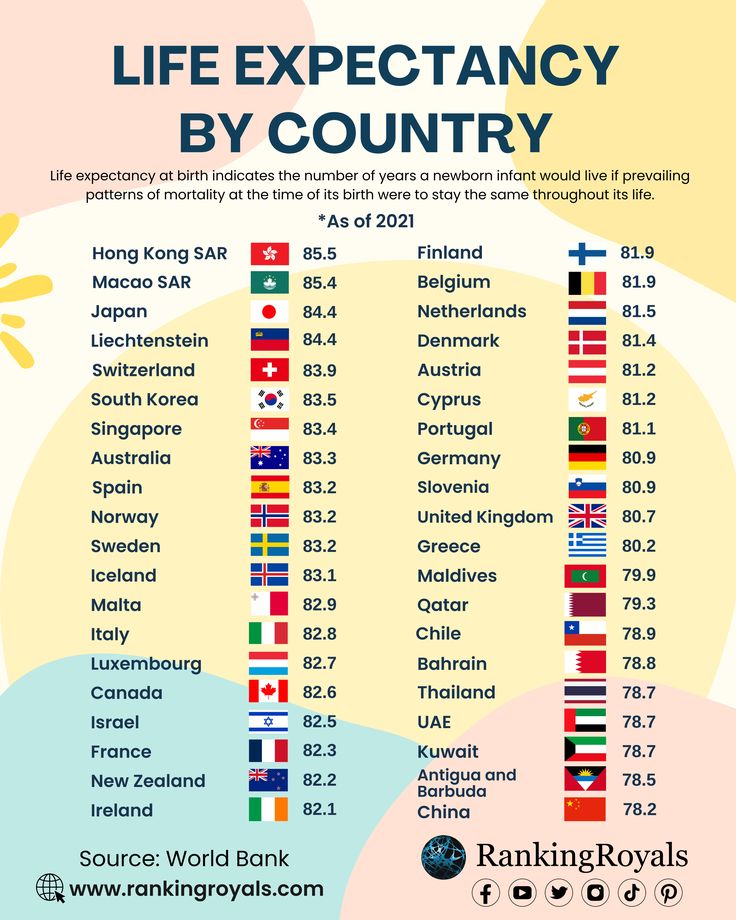
According to the World Health Organization (WHO), as of 2019, the global average lifespan for males stands at approximately 72 years. However, this figure varies significantly across countries, influenced by a myriad of factors including genetics, lifestyle, healthcare access, and environmental conditions.
Factors Influencing Male Lifespan
The variation in male lifespan can be attributed to several key factors, which interact and influence each other in complex ways.


SUBChronic health conditions, such as cardiovascular disease, diabetes, and chronic respiratory diseases, are leading causes of male mortality worldwide. These conditions not only significantly reduce life expectancy but also contribute to a lower quality of life and increased healthcare costs.
Smoking and Alcohol Consumption
Tobacco smoking and excessive alcohol consumption are major risk factors for several chronic diseases. Men are more likely to smoke and drink alcohol heavily than women, which contributes to a shorter lifespan on average. WHO reports that men are 1.5 times more likely to die from alcohol-related causes than women.


Efforts to reduce smoking and alcohol misuse, such as public education campaigns, taxation policies, and support for addiction treatment, can help improve male lifespan and overall population health.
Occupational hazards and lifestyle
Certain occupations expose men to higher risks of injury, disease, and premature death. Jobs in manufacturing, construction, mining, and agriculture consistently report higher mortality rates due to workplace hazards. Additionally, specific lifestyle factors like physical inactivity, poor diet, and lack of preventive healthcare contribute to reduced lifespan.
Promoting workplace safety, offering preventive healthcare services, and encouraging physical activity and balanced nutrition can mitigate these risks and extend male lifespan.


Improving Male Lifespan: Initiatives and Trends
Recognition of the male lifespan disparity has led to targeted initiatives aimed at improving men's health outcomes and life expectancy.
SUBSignificant progress has been made in reducing deaths from communicable diseases through vaccination, improved water quality, and effective treatments for conditions like HIV and tuberculosis. However, addressing the growing burden of non-communicable diseases (NCDs) remains a critical challenge.
Prevention and Early Intervention
Preventive healthcare measures, such as screenings, regular check-ups, and health education, can help detect and manage chronic conditions early, thereby reducing their impact on lifespan.


Men are generally less likely than women to seek preventive healthcare services due to various barriers, including stigma, lack of time, and cost.Breaking down these barriers through targeted outreach, making services more accessible, and engaging men in their own health decision-making can improve male lifespan.
Lifestyle Interventions
Promoting healthy lifestyles, particularly through initiatives targeting men at the community level, can yield substantial improvements in male lifespan. Examples include nutrition and physical activity programs, smoking cessation campaigns, and initiatives focused on mental health and well-being.
Encouraging men to take a proactive role in their health, alongside supportive policies and community norms, can drive meaningful improvements in male lifespan and overall population health.
As our understanding of male lifespan determinants continues to evolve, tailored strategies addressing the unique health challenges faced by men will be crucial. By investing in men's health, we not only improve the lives of men but also contribute to a healthier, more equitable, and more prosperous society. Ultimately, extending male lifespan is a shared responsibility, requiring coordinated action from individuals, communities, and healthcare systems."
Related Articles

What's the Average Lifespan of an Indoor-Outdoor Cat?
Cats, renowned for their independent nature, come in two distinct varieties based on their environment: indoor and outdoor. Both have unique traits and needs...

Average Indoor Cat Lifespan
Imagine cuddling with your indoor cat, feeling their purrs vibrate through you, and wondering, "Just how long can I expect to share these moments together?"...

Typical Patio Size: What's Normal & Average for You
When it comes to designing your outdoor space, one of the first questions you might ask is, "What is a normal patio size?" After all, you want to create a...

Average Indoor Cat Lifespan: Unveiling Typical Domestic Feline Life Expectancy
Ever wondered how long your lovable indoor kitty might stick around? As dedicated pet owners, understanding the average domestic indoor cat lifespan can help...
"Average Cat Lifespan: What Is It?"
Ever wondered how long you can share your life with your beloved feline companion? Cats have an uncanny ability to capture our hearts, and naturally, we want...

Male vs Female Cat Size: What's the Difference?
Ever wondered if there's a significant difference in size between male and female cats? This seemingly simple question has sparked curiosity in cat lovers...