Is Larch the Ideal Wood for Building?
When it comes to choosing a building material, durability, aesthetics, and sustainability are often at the forefront of our minds. One timber species that consistently checks all these boxes is Larch. But is larch good for building? Let's delve into this question, exploring its durability, workability, and environmental impact.
Larch, scientifically known as Larix, is a coniferous tree with over 10 species widely distributed across the northern hemisphere. Its dense grain and distinct growth rings make it a popular choice for various construction purposes. But what sets larch apart and makes it an excellent building material? Let's find out.
Exceptional Durability
Larch's durability is likely the most compelling reason why it's excellent for building. It boasts a durable heartwood that's resistant to decay and insect damage, making it an ideal choice for outdoor applications and exposed timberwork. This durability ensures longevity, reducing maintenance costs and potential replacement expenses over the structure's lifespan.


Moreover, larch's durability isn't just about resistance; its strength is also impressive. With high bending and crushing strength, larch can withstand the test of time, making it a reliable choice for both small-scale projects and substantial, load-bearing structures.
Natural Weather Resistance
Larch's inherent resistances don't stop at decay and insects. It's also highly resistant to rot, ideal for outdoor and exposed settings where it's subjected to harsh weather conditions. Its natural oils help protect it from moisture, making it a suitable material for areas prone to rain, snow, or humidity.


Furthermore, larch's resistance toUV degradation means it won't fade or break down as quickly when exposed to sunlight, ensuring your structures maintain their appearance over time. This makes it an excellent choice for outdoor features like decks, fences, and garden structures.
Versatility in Building Applications
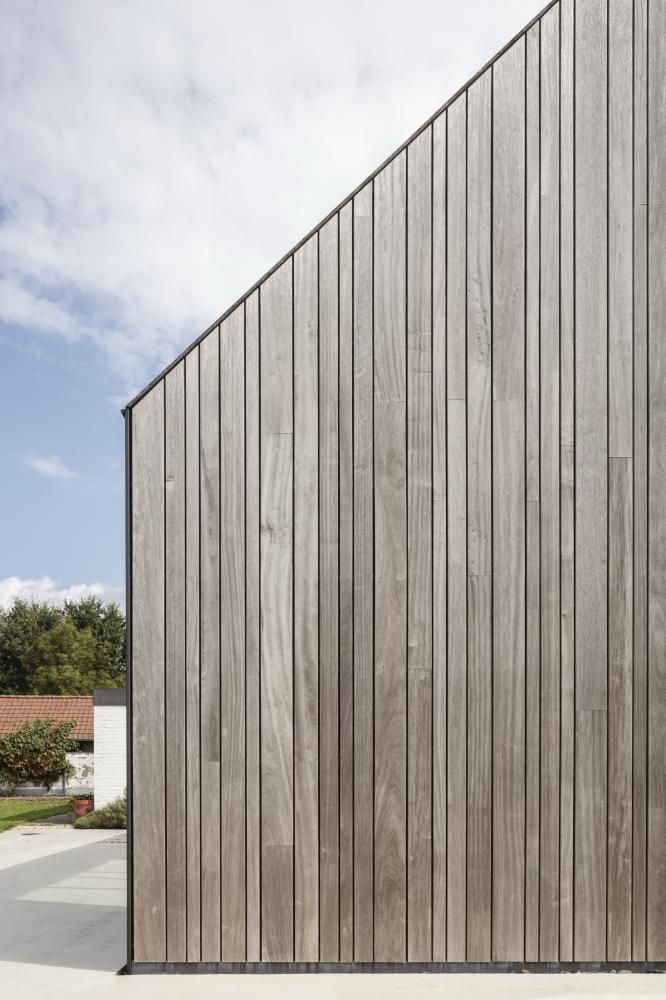
Larch's durability isn't its only strong suit. It's also highly versatile, making it a go-to material for a wide range of building applications. Its even texture and clear, straight grain make it an ideal choice for both visible and invisible structural components. Whether you're looking for open grain cladding with a beautiful texture or smooth, tight-grained joinery, larch has you covered.
Furthermore, larch's predictable machining and nailing properties make it a dream to work with. Its drying characteristics allow it to be used for various applications, from interior joinery to structural timber. Its high stiffness and dimensional stability ensure it stays put once installed, making it a reliable choice for critical structural components.




Sustainability and Environmental Impact
Beyond its performance, larch's sustainability credentials make it an even more compelling choice for eco-conscious builders. Many larch species regrow rapidly after logging, making them highly renewable when harvested responsibly. Plus, the timber industry's growing emphasis on sustainable forest management practices ensures larch remains an environmentally friendly option.
Moreover, timber products, including larch, store carbon throughout their life cycle. Using larch in construction can help mitigate climate change by preserving and storing carbon that would otherwise be released by other building materials, like cement and steel.
Disclaimer: Avoid European Larch for Building
While we've emphasized the benefits of larch as a building material, it's essential to note that European larch (Larix decidua) should be avoided for substantial building projects. Although durable, its heartwood's low durability class makes it unsuitable for outdoor use in ground contact or in prolonged exposure to weather. However, other species like Siberian larch (Larix sibirica) provide excellent durability.


Always ensure you source your larch from reputable, sustainable suppliers who can provide quality assurances, including species identification and certifications like FSC or PEFC.
In a world where we increasingly value materials that combine strength, beauty, and sustainability, larch stands out as an excellent building material. Its durability, versatility, and environmental credentials make it a timeless choice for a wide range of structural and aesthetic applications. So, whether you're a homeowner planning your dream project or a professional architect seeking an eco-friendly solution, larch might just be the material you've been looking for. Explore its possibilities today, and be a part of building a more sustainable future, one timeless structure at a time.
Related Articles

Is Larch Wood Ideal for Furniture?
Ever wondered if larch wood is a suitable choice for your furniture? You're not alone. With its striking appearance and unique attributes, larch wood has...
Is Larch the Ideal Wood for Woodworking?
If you're a woodworker on the hunt for a new material, you might be wondering, "Is larch good for woodworking?" Larch, also known as Lebanese or European...

Is Larch Wood Ideal for Outdoor Furniture?
When it comes to furnishing your outdoor space, durability and weather resistance are key factors to consider. Larch wood, a versatile and robust material...

Eucalyptus Wood: The Ideal Choice for Outdoor Furniture?
When it comes to outdoor furniture, durability and weather resistance are paramount. One question that often arises is whether eucalyptus wood is a suitable...
Is Larch the Perfect Wood for Siding?
When it comes to selecting a material for your home's exterior, you'll find a plethora of options, each boasting unique characteristics and benefits. One...

Is Premium Fir Firewood Ideal for Outdoor Use?
Whether you're an avid camper, a backyard adventurer, or simply enjoy a cozy bonfire, the question of whether a premium fir mattress is suitable for outdoor...